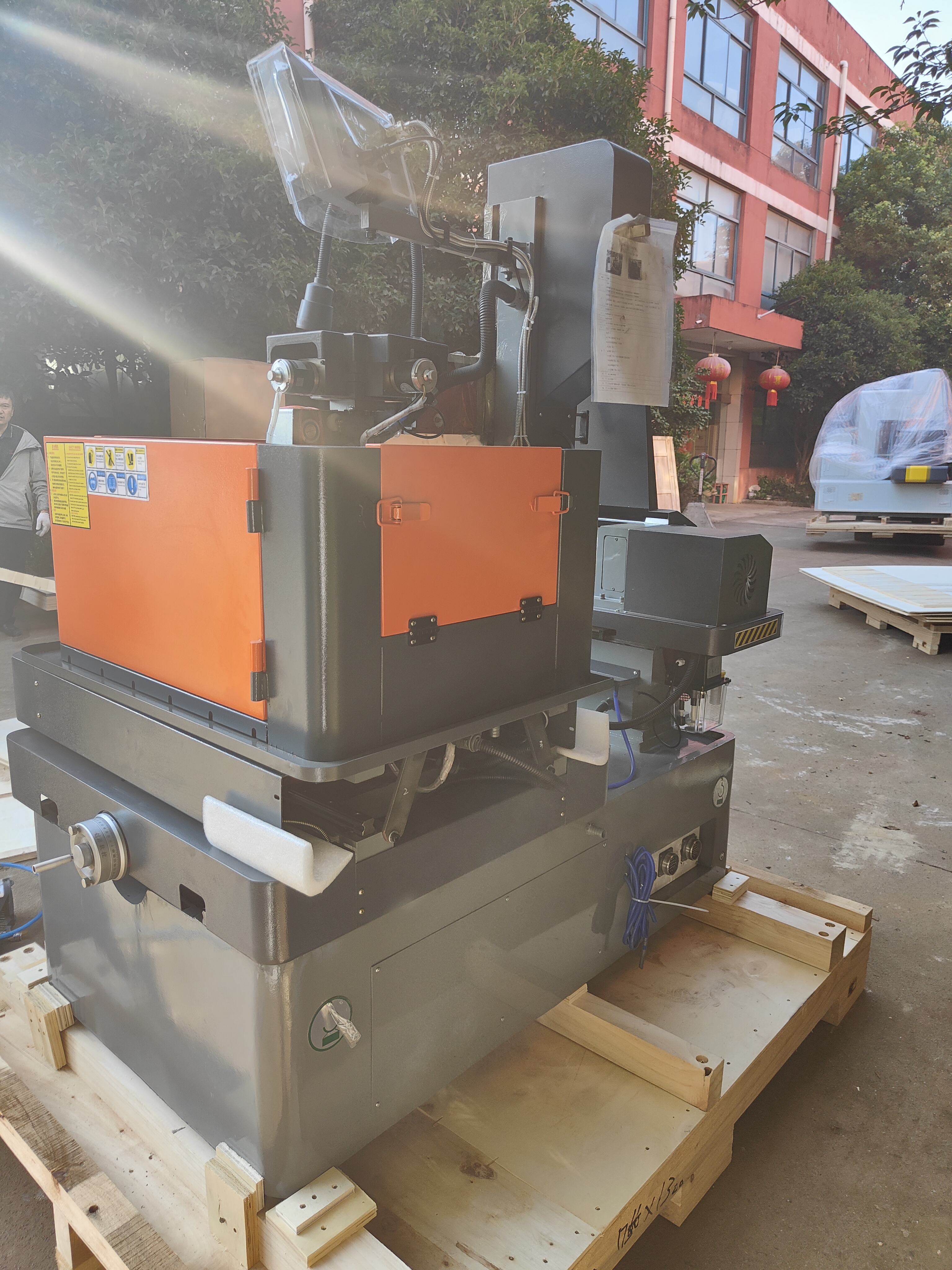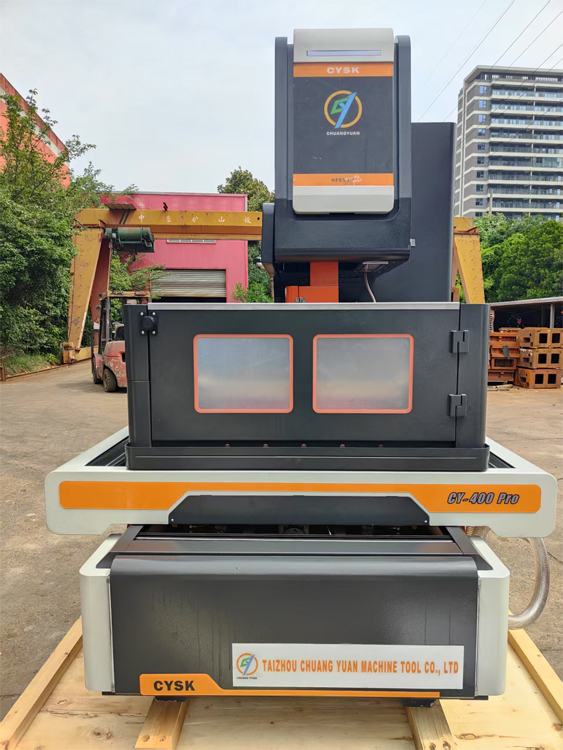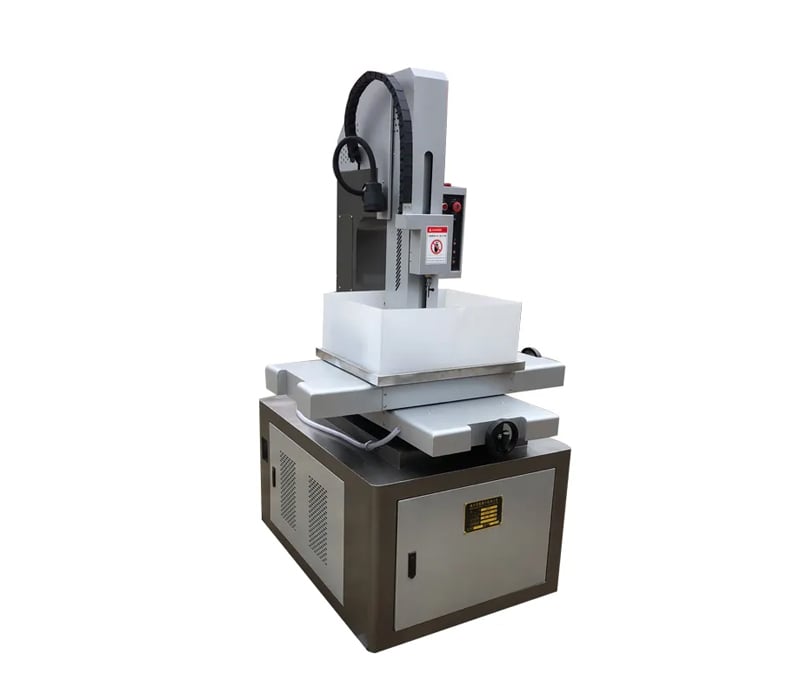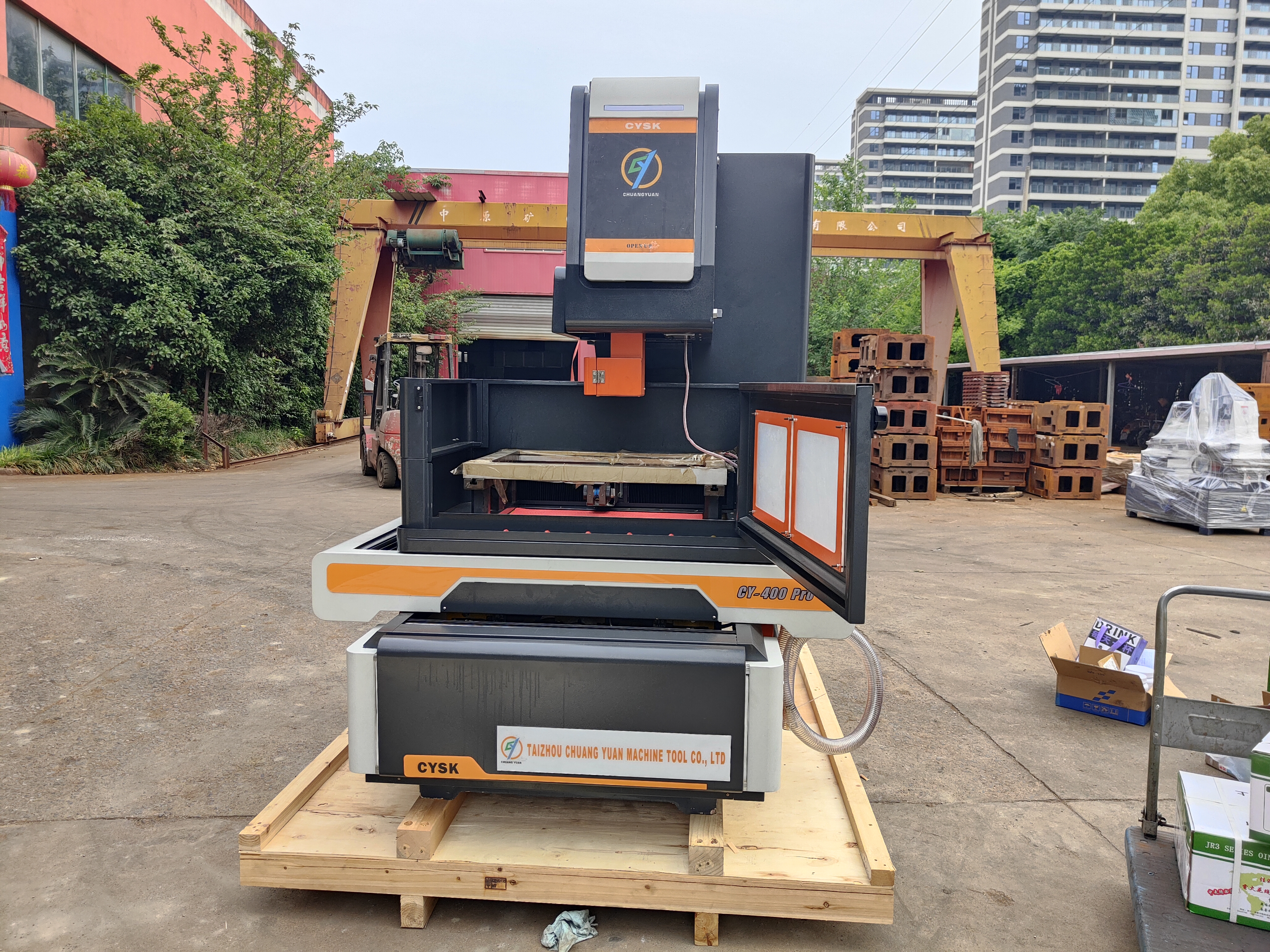
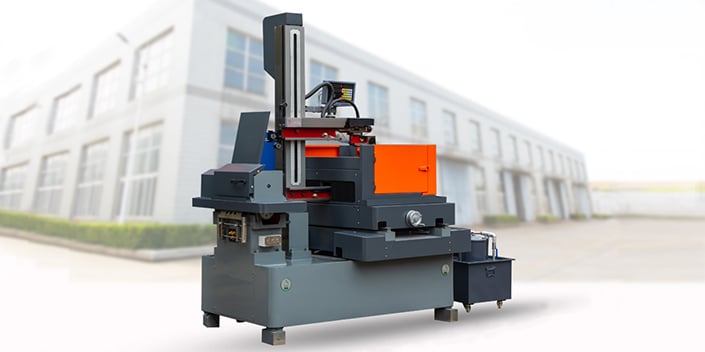
Understanding Wire Erosion Machine Technology And How To Choose The Right System: A wire erosion machine, also known as a wire electrical discharge machine (WEDM), removes conductive material by generating controlled electrical sparks between a continuously moving wire electrode and the workpiece submerged in deionized water. Unlike milling or laser cutting, this process exerts zero mechanical force, which allows manufacturers to cut hardened tool steel above 60 HRC, tungsten carbide, Inconel, titanium, and copper alloys with exceptional accuracy. The global wire erosion machine market was valued at approximately USD 1.9 billion in 2024 and is projected to grow at 5.6 percent annually through 2030, driven by demand from mold and die making, aerospace, medical devices, electronics, and automotive tooling. At Taizhou Chuang Yuan Machine Tool Co., Ltd., established in 2003 in Jiangsu Province, China, we design and build wire erosion machines that balance precision, speed, and total cost of ownership. Our production process begins with finite element analysis of the machine bed, which is cast from high-rigidity Meehanite iron and aged for 12 months to relieve internal stress. The bed is then machined on a five-axis CNC gantry mill to a flatness of 0.01 mm per 1,000 mm before assembly. Each axis uses preloaded linear guides and C3-grade ball screws with laser-calibrated pitch compensation, delivering positioning accuracy of +/-0.003 mm and repeatability of +/-0.001 mm. Our pulse generator operates at frequencies up to 1.5 MHz with adaptive control that monitors gap voltage 2,000 times per second, automatically adjusting discharge energy to prevent wire breakage and protect delicate geometries. On a typical job cutting 40 mm thick 1.2344 tool steel, our machine achieves 180 mm2/min with 0.25 mm brass wire while maintaining Ra 1.0 um, and multi-pass trimming reaches Ra 0.4 um. The wire transport system uses a closed-loop tension servo holding 8 to 12 N, which is critical for taper cutting up to 30 degrees and for threading 0.1 mm wire automatically. Our submerged cutting design reduces thermal distortion on thin parts below 0.5 mm thickness, a common requirement in medical and electronics applications. Environmentally, the machine consumes 2.8 kW in standby and 9.5 kW during cutting, and our water treatment unit extends deionized resin life to 1,800 hours. Around the world, customers use our wire erosion machine in specific ways. In Germany and Italy, mold shops cut injection mold inserts and extrusion dies, relying on our automatic slug removal to run lights-out overnight batches of eight to twelve cavities. In the United States, aerospace job shops cut honeycomb seal rings and turbine blade roots from nickel alloys, using our five-axis taper head to produce fir-tree profiles in a single setup. In Turkey and India, medical and electronics manufacturers cut stents, surgical jaws, and connector pins where burr-free edges eliminate secondary polishing. In Vietnam and Mexico, automotive stamping suppliers use our wire erosion machine to maintain progressive dies with 0.003 mm punch clearance, extending die life beyond 1.5 million strokes. In South Korea and Japan, precision connector tooling makers rely on our thermal compensation system to hold +/-0.002 mm over an 18-hour unattended run. We support every customer with remote diagnostics through an industrial IoT gateway, augmented reality guided maintenance, and a 48-hour spare parts channel from our Rotterdam warehouse. Our engineering team offers free cutting trials on customer materials, returning a detailed process report with recommended offsets, flush pressures, and wire grades. Choosing a wire erosion machine involves more than comparing price. Buyers should evaluate travel size against the largest die block they intend to cut, taper capability for complex relief angles, automatic wire threading reliability for lights-out operation, and the manufacturer's ability to provide application engineering. We recommend a minimum 10 percent travel margin beyond the largest part and a generator capable of handling the thickest material at the required finish. For shops cutting both hardened steel and carbide, a dual-power generator with separate finishing circuits avoids compromise. Because wire erosion machines typically operate for 15 to 20 years, serviceability and spare parts availability matter as much as initial specifications. Our machines use standard industrial components from Siemens, Panasonic, and HIWIN, which reduces long-term sourcing risk. We also publish maintenance schedules, error code libraries, and calibration procedures so customers can train local technicians independently. With more than 1,800 wire erosion machines installed worldwide and partnerships in over 20 countries, we continue to refine our designs based on field data. Recent improvements include a redesigned wire guide that lasts 40 percent longer, a flushing nozzle that reduces wire breakage on tall parts by 22 percent, and control software with built-in technology databases for 46 common materials. Whether you are a job shop adding your first wire erosion machine or a large manufacturer expanding capacity, our team can match a model to your parts, materials, and production targets.
13
Dec
29
Jun
14
Jul
03
Aug