Electrostatic Discharge Machining Machines | High-Precision EDM Solutions

All Categories

Get a Free Quote

Our representative will contact you soon.
Email
Mobile/WhatsApp
WeChat
Linkedin
Name
Company Name
Message
0/1000
Attachment
Please upload at least an attachment
Up to 3 files,more 30mb,suppor jpg、jpeg、png、pdf、doc、docx、xls、xlsx、csv、txt
Precision Electrostatic Discharge Machining Solutions From A Trusted China Manufacturer

Precision Electrostatic Discharge Machining Solutions From A Trusted China Manufacturer

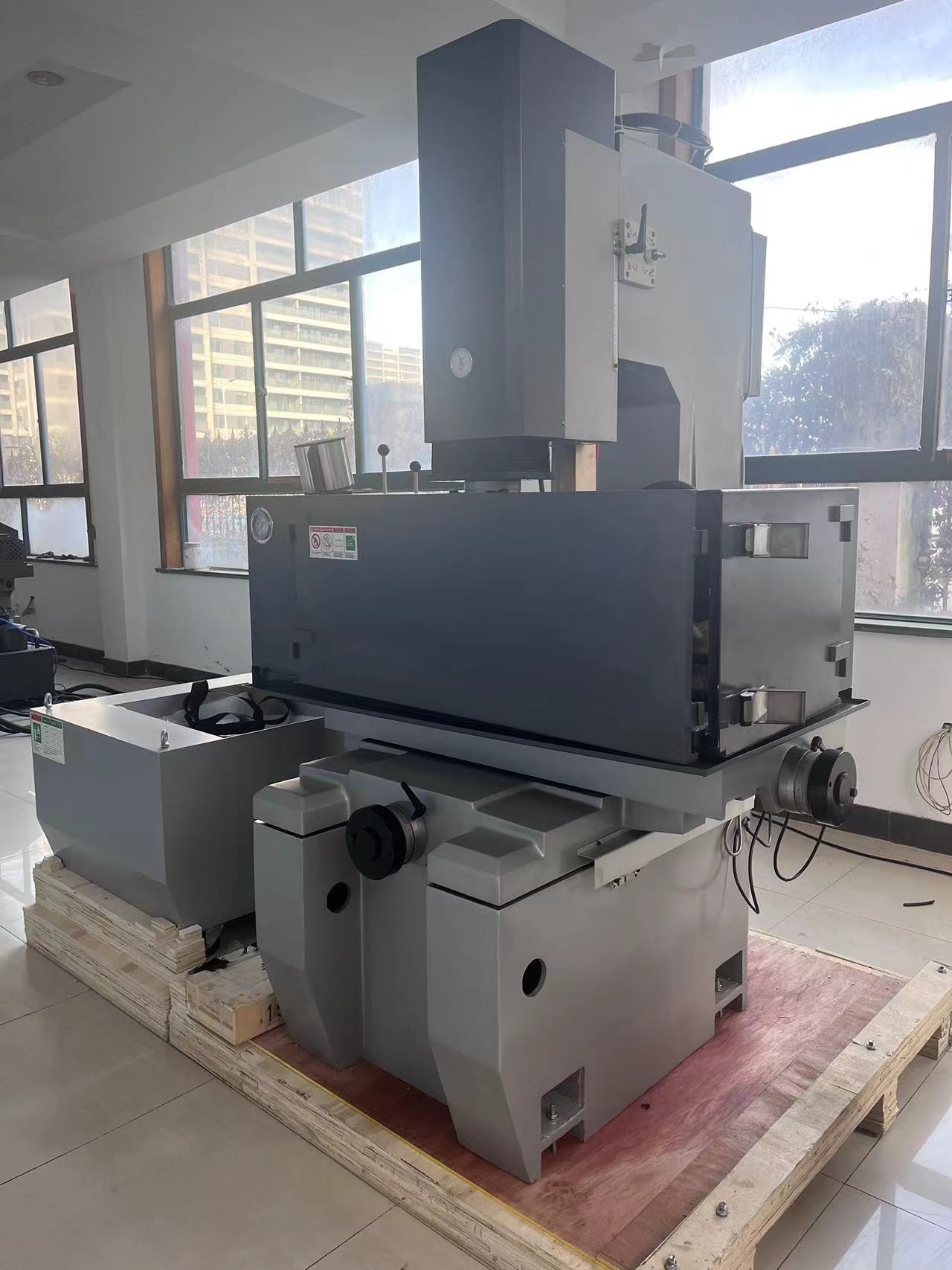
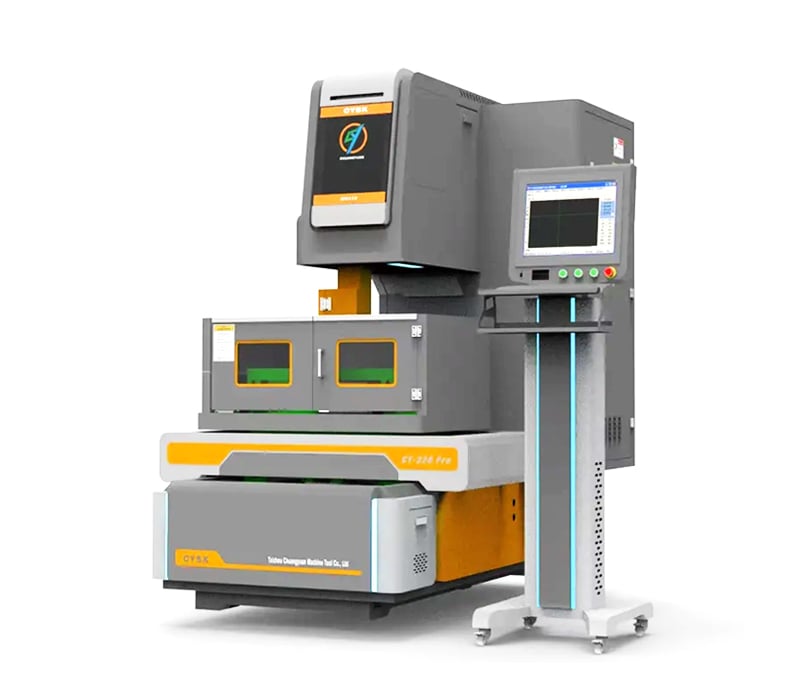
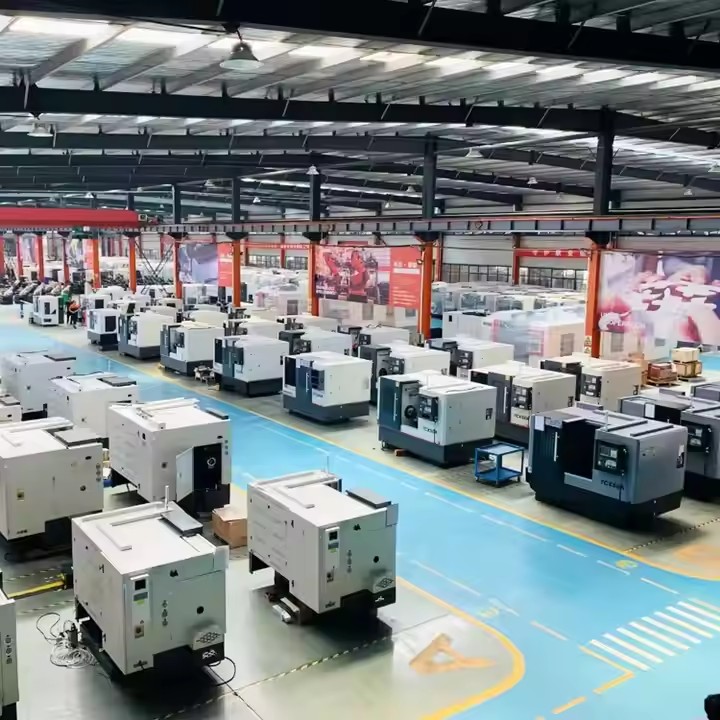
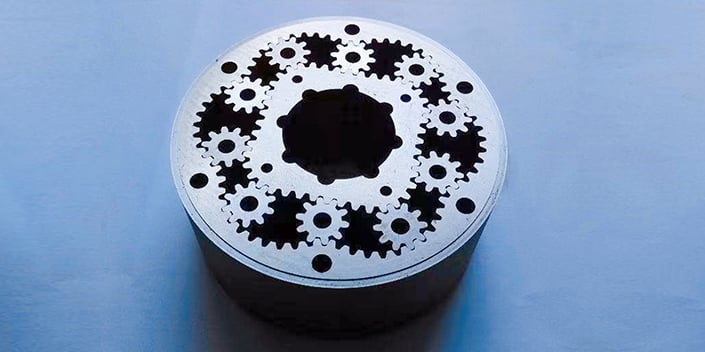
Taizhou Chuang Yuan Machine Tool Co., Ltd. has engineered electrostatic discharge machining systems since 2003, combining servo control, rigid castings and intelligent pulse generators to remove conductive material through controlled spark erosion rather than cutting force. This makes our electrostatic discharge machining ideal for hardened tool steel, tungsten carbide, aerospace alloys and micro-features that conventional milling cannot touch. In mold and die shops, operators rely on our machines for deep ribs, sharp corners and mirror finishes down to Ra 0.2 um, while medical and automotive toolrooms use them for injector nozzles and transmission dies. Our ram and wire electrostatic discharge machining platforms deliver positioning accuracy of +/-0.005 mm, surface roughness as low as Ra 0.1 um, and material removal rates up to 400 mm3/min on graphite electrodes, cutting electrode wear below 0.1 percent with adaptive pulse control.
Get A Quote

Case Study

42 Percent Faster Mold Finishing For A German Toolroom

A German mold maker producing 64-cavity automotive connector molds struggled with hand polishing deep ribs after milling. Their previous electrostatic discharge machining process needed 18 hours per cavity and still left visible EDM recast layers. We supplied a CNC ram EDM with adaptive pulse control and a 0.2 mm copper electrode. Discharge energy was optimized to reduce recast to under 2 um, and automated electrode changing cut setup time by 30 percent. Finishing time dropped from 18 to 10.4 hours per cavity, a 42 percent improvement, while surface finish reached Ra 0.15 um. The toolroom now runs three of our electrostatic discharge machining systems and reports 28 percent lower electrode consumption.

35 Percent Less Die Rework For A Thai Stamping Supplier

A Thai precision stamping supplier had recurring dimensional drift on progressive dies for electronics connectors after wire EDM. We introduced our five-axis wire electrostatic discharge machining center with closed-loop thermal compensation and 0.1 mm brass wire. By stabilizing the dielectric temperature within +/-0.5 degrees C and applying multi-pass skim cuts, dimensional repeatability improved to +/-0.003 mm. Die rework fell by 35 percent, and die life increased by 22 percent. The customer now uses our electrostatic discharge machining for all new die development and exports stamped parts to Japan and Europe.

Micro-Hole Drilling For A US Medical Device Manufacturer

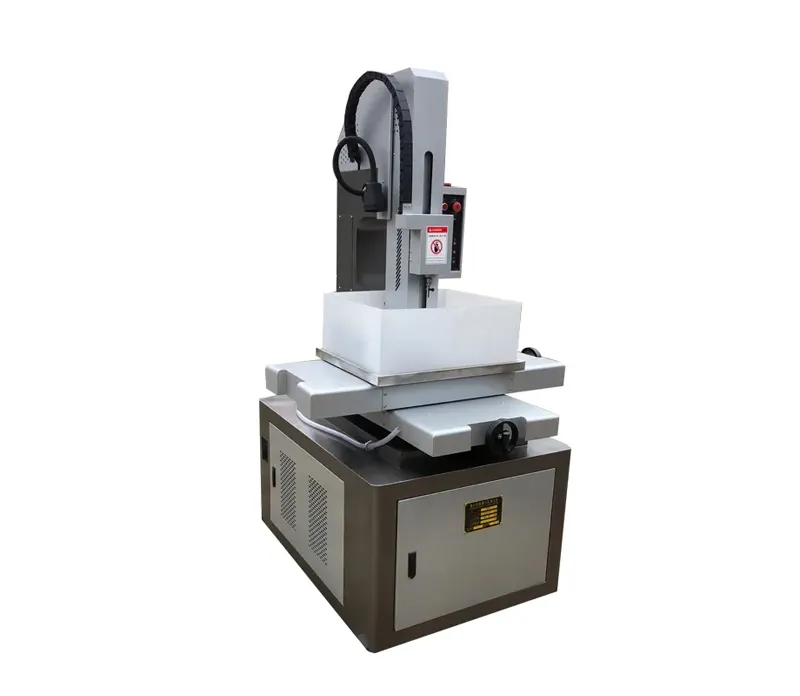
A US medical device manufacturer needed 0.3 mm cooling holes in cobalt-chrome surgical instruments without thermal damage. Our small-hole electrostatic discharge machining system with high-frequency pulses and deionized water dielectric drilled 1,200 holes per batch with no cracks or burrs. Hole position accuracy was +/-0.008 mm and surface integrity met ISO 13485 process requirements. Production yield rose from 88 to 97 percent, and cycle time per instrument dropped by 25 percent. The client scaled to four of our electrostatic discharge machining units across two shifts. Products Title: Explore Our High-Performance Electrostatic Discharge Machining Lineup

Related products

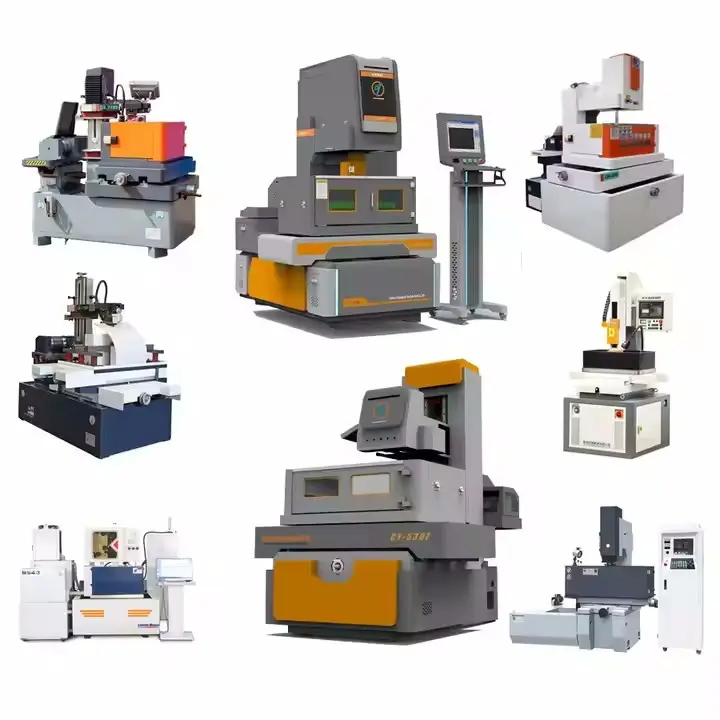
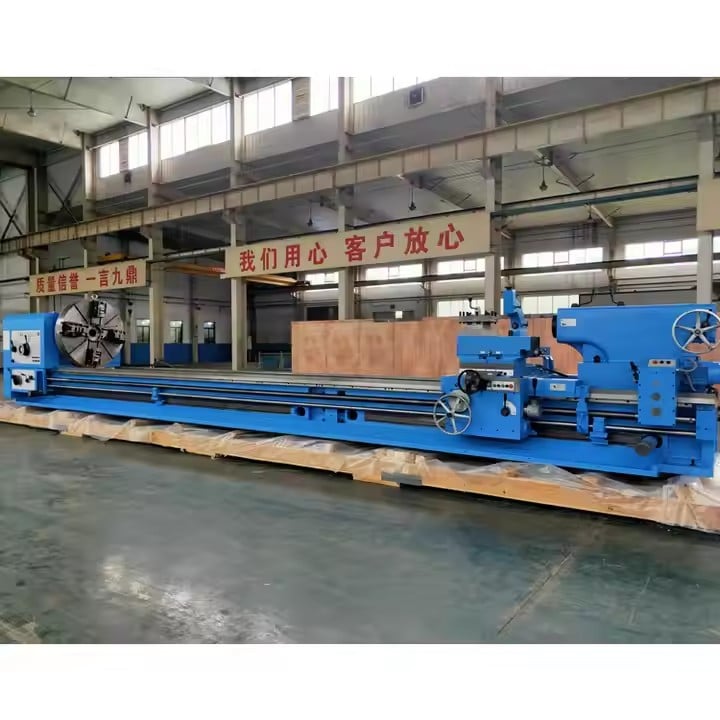
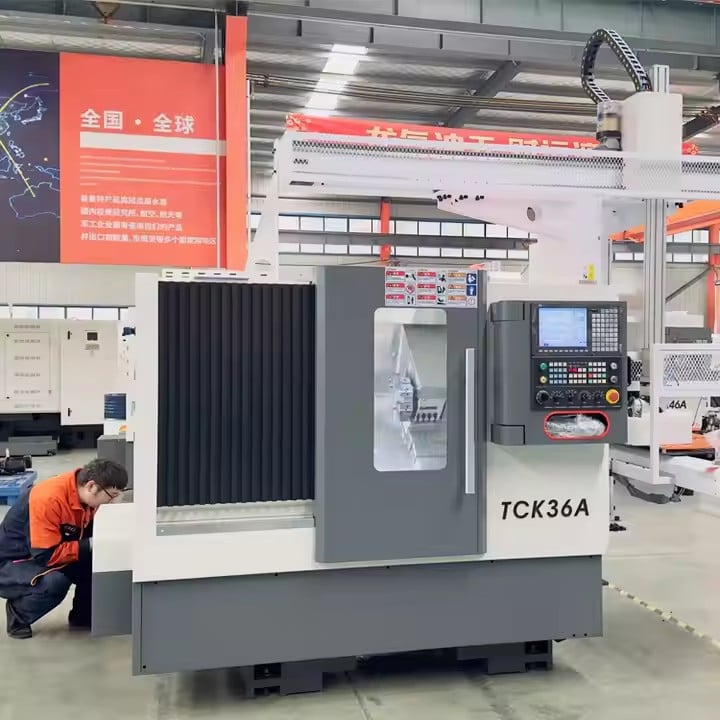
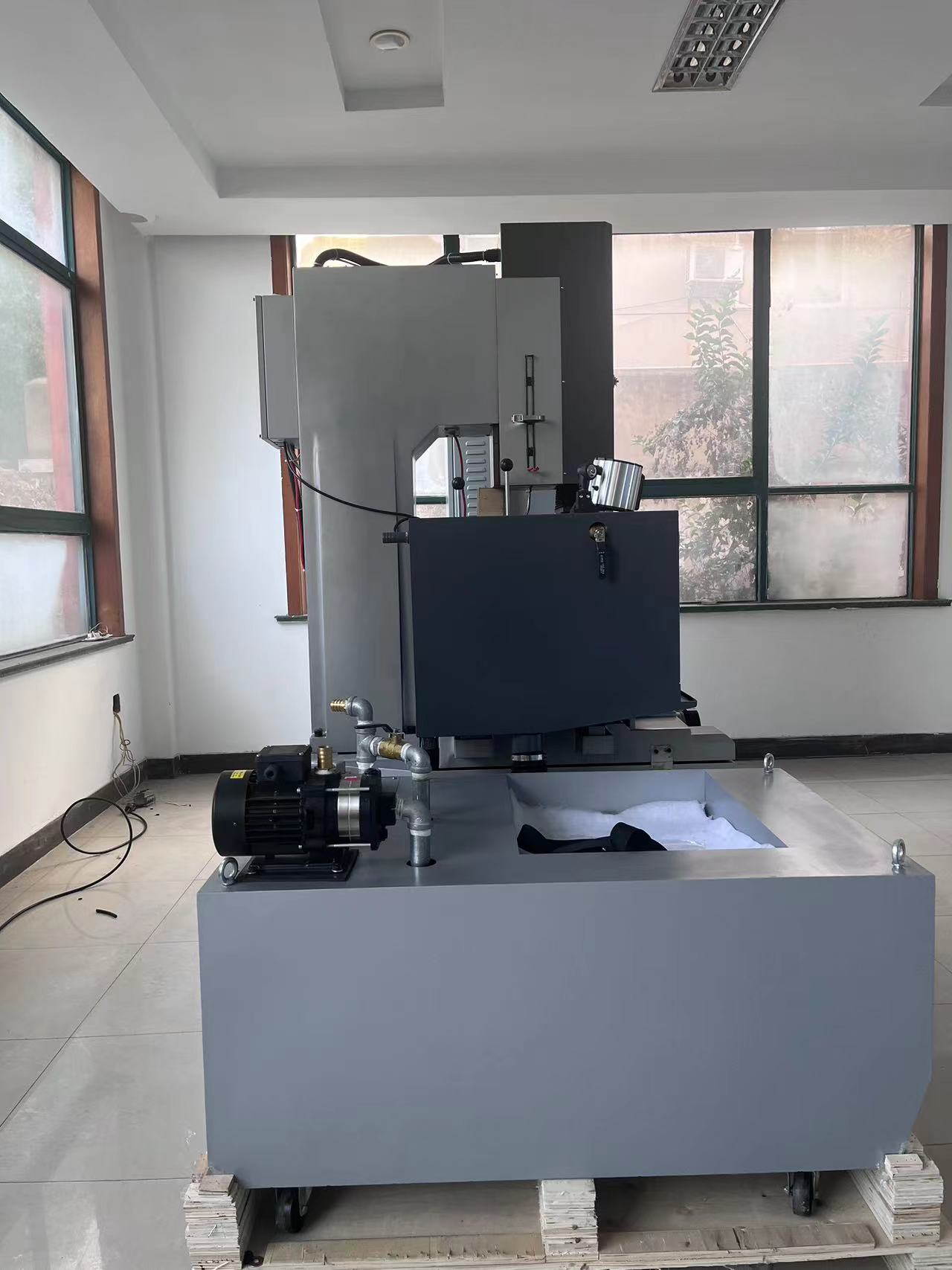
Electrostatic discharge machining is a non-contact thermal process that shapes conductive materials by controlled electrical sparks between an electrode and the workpiece submerged in dielectric fluid. At Taizhou Chuang Yuan Machine Tool Co., Ltd., we have refined this principle since 2003 through in-house research, production and sales of precision machine tools. Our manufacturing workflow begins with finite element analysis of the machine bed, followed by high-grade cast iron casting, natural aging for 12 months, and precision grinding of guideways to 0.005 mm straightness. Each electrostatic discharge machining unit then receives servo calibration, pulse generator burn-in for 72 hours, and laser interferometer verification. The result is a machine that holds +/-0.005 mm positioning accuracy and Ra 0.1 um surface finish even after 5,000 hours of operation. In production, our electrostatic discharge machining serves mold and die making, aerospace turbine components, medical instruments, automotive powertrain tooling, and micro-electronics connectors. Global clients in over 20 countries use our systems for deep cavity work, sharp internal corners, micro-holes and carbide forming dies. A European aerospace supplier reported 30 percent lower electrode wear after adopting our adaptive pulse technology, while a South Korean electronics mold maker achieved 99.2 percent first-pass yield on lens molds. Beyond electrostatic discharge machining, we also produce machining centers, pipe making machines, slitting lines, cut-to-length lines, lathes and deep hole processing machines, allowing clients to integrate complete production cells. Our quality system follows ISO 9001, and every machine passes a 200-hour continuous cutting test before shipment. We provide remote diagnostics, on-site installation, operator training and spare parts within 72 hours. By combining robust castings, intelligent control and responsive service, we help manufacturers reduce tooling cost, shorten lead time and improve product quality with reliable electrostatic discharge machining.
Frequently Asked Questions

What materials can be processed with electrostatic discharge machining?

Electrostatic discharge machining works with any electrically conductive material, including hardened tool steel, tungsten carbide, titanium, cobalt-chrome, copper and graphite. It is widely used for molds, dies, aerospace parts and medical instruments. Non-conductive ceramics and plastics are not suitable. Our machines handle materials up to 60 HRC and thicknesses from 0.1 mm to 500 mm, with removal rates up to 400 mm3/min.
We use adaptive pulse control and multi-pass skim cuts to keep recast layers under 2 um and surface finish at Ra 0.1 um. Dielectric temperature is stabilized within +/-0.5 degrees C, and electrode wear is monitored in real time. This meets aerospace and medical standards, and a US client achieved 97 percent yield on 0.3 mm micro-holes.
Standard electrostatic discharge machining models ship in 45 to 60 days after deposit. We arrange sea freight, on-site installation and operator training. Commissioning usually takes 3 to 5 days depending on machine size. Spare parts are dispatched within 72 hours, and remote diagnostics are available 24/7.
Yes. Our machines support robot loading, automatic electrode changers, tool magazines and MES data links. A German mold maker reduced setup time by 30 percent using auto electrode changing. We also supply pipe making, slitting and cut-to-length lines for integrated factories.
We provide English manuals, remote video support, on-site service engineers and a 12-month warranty. With clients in over 20 countries, we maintain regional spare parts stock and offer preventive maintenance plans. Training covers operation, programming and daily maintenance to maximize your electrostatic discharge machining uptime.

Related Articles

Processing characteristics of EDM wire cutting machine

24

Dec

Processing characteristics of EDM wire cutting machine

View More
Why modular spring machine supports fast switching of different spring production types

14

Jul

Why modular spring machine supports fast switching of different spring production types

Production Bottlenecks of Traditional Integrated Spring Forming Equipment Modern metal forming manufacturing increasingly features diversified product specifications and mixed batch production. Many production facilities need to process springs ...
View More
Why multi functional edm machine meets mixed mold and part production factory demands

14

Aug

Why multi functional edm machine meets mixed mold and part production factory demands

Navigating the Complexities of High-Mix Manufacturing Environments Running a modern industrial production plant often feels like juggling a dozen spinning plates at once, especially when dealing with high-mix, low-volume manufacturing schedules. Pl...
View More
What output benefits enterprises gain by updating old edm spark erosion machine equipment

03

Aug

What output benefits enterprises gain by updating old edm spark erosion machine equipment

Identifying Legacy Constraints in Spark Erosion Production Operating mature, decades-old equipment on high-precision manufacturing shop floors often creates hidden operational penalties that quietly erode profit margins over time. When production f...
View More

Customer Testimonials

Michael Reynolds, Tooling Manager, Aerospace Supplier, United Kingdom
Reliable Accuracy For Aerospace Tooling

We run three of their electrostatic discharge machining centers for turbine blade dies. Positioning holds +/-0.005 mm after two years, and electrode wear dropped 30 percent. Their remote support solved a pulse issue in under four hours. Highly recommended for aerospace toolrooms.

Somchai Wattanakul, Production Director, Electronics Stamping Company, Thailand
Excellent Value And Fast Service

Our wire electrostatic discharge machining unit cut die rework by 35 percent and raised die life 22 percent. Installation and training took only four days, and spare parts arrived in 72 hours. The price-performance ratio is outstanding for our electronics stamping business.

Get a Free Quote

Our representative will contact you soon.
Email
Name
Company Name
Message
0/1000
Adaptive Pulse Control For Superior Surface Finish

Adaptive Pulse Control For Superior Surface Finish

Our electrostatic discharge machining uses adaptive pulse control that continuously adjusts discharge energy based on gap conditions. In mold and die shops, this means recast layers under 2 um and surface finish down to Ra 0.1 um without lengthy hand polishing. The system monitors voltage and current 1,000 times per second, reducing electrode wear below 0.1 percent and preventing arcing on deep ribs. A German mold builder cut finishing time by 42 percent on a 64-cavity connector mold. For aerospace and medical clients, this precision protects heat-sensitive alloys and meets strict surface integrity standards. Operators can store 500 process recipes, making repeat production fast and consistent. Whether you machine carbide dies or micro-holes, adaptive pulse control keeps your electrostatic discharge machining stable, productive and cost-efficient.
Rigid Machine Structure For Long-Term Accuracy

Rigid Machine Structure For Long-Term Accuracy

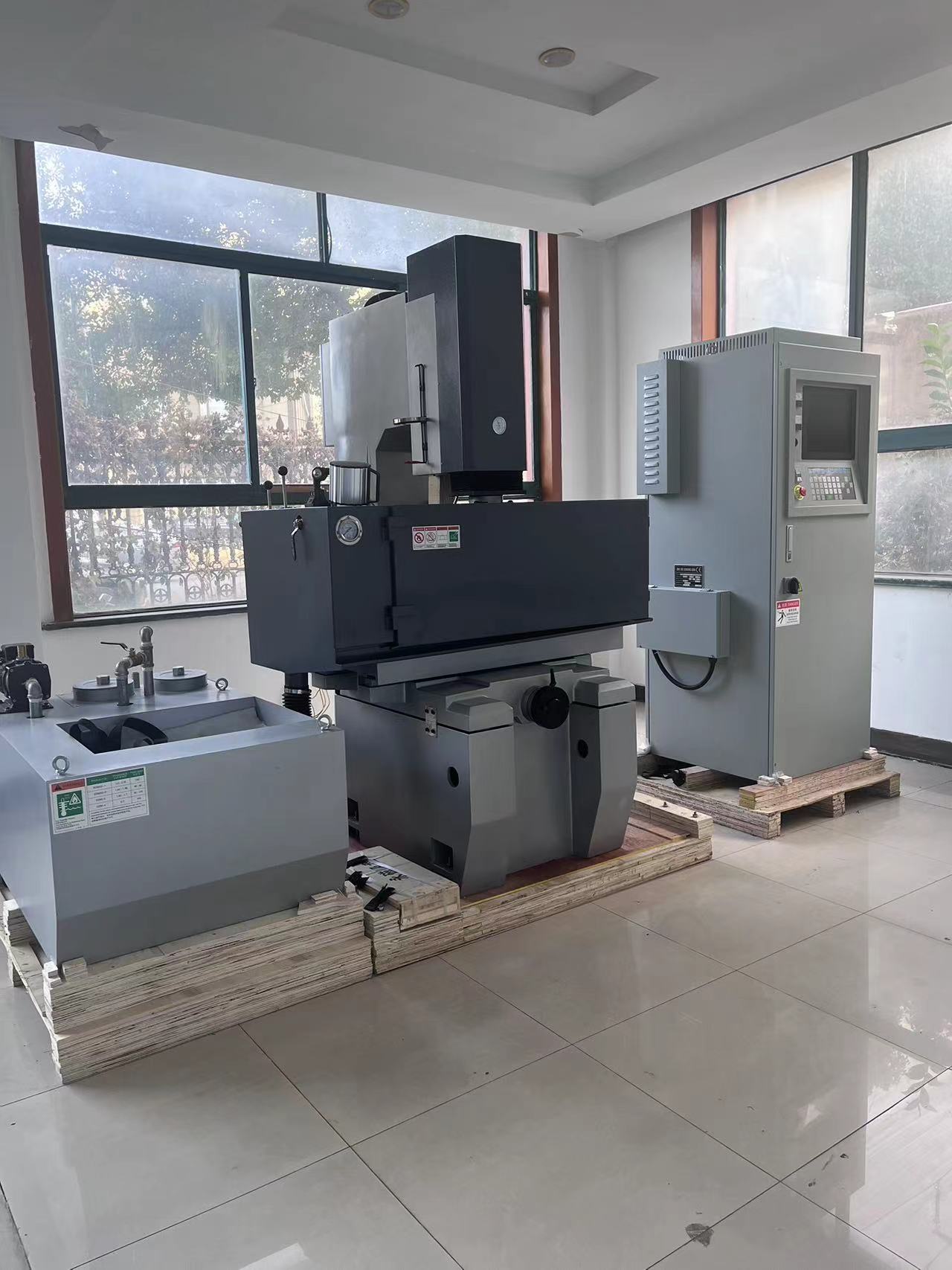
Every electrostatic discharge machining unit from Taizhou Chuang Yuan starts with a high-grade cast iron bed that is naturally aged for 12 months and precision ground to 0.005 mm straightness. This rigid structure absorbs vibration during heavy roughing and maintains +/-0.005 mm positioning accuracy even after 5,000 hours. Linear scales and closed-loop servo control compensate for thermal drift within +/-0.5 degrees C, which is critical for large molds and aerospace dies. A Thai stamping supplier achieved +/-0.003 mm repeatability on progressive dies and reduced rework by 35 percent. The structure also supports high-speed wire EDM and small-hole drilling without losing rigidity. For factories running multiple shifts, this durability lowers maintenance cost and extends machine life beyond 15 years.
WhatsApp WhatsApp Email Email Mobile Mobile TopTop