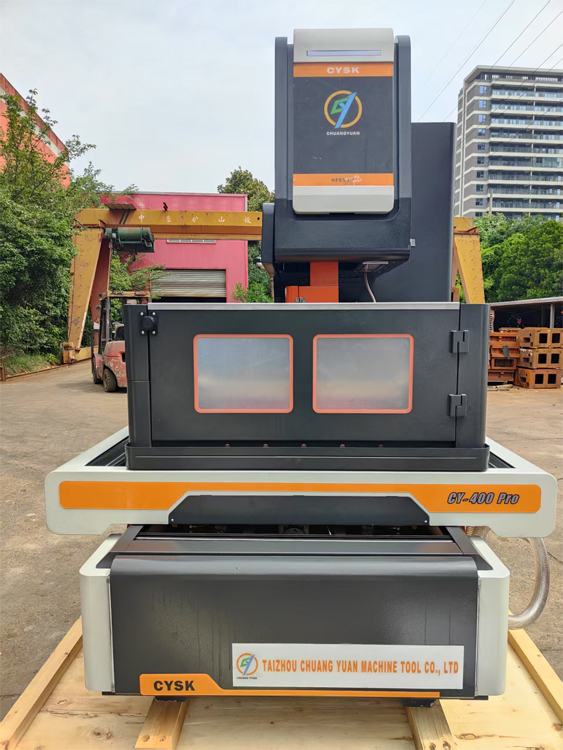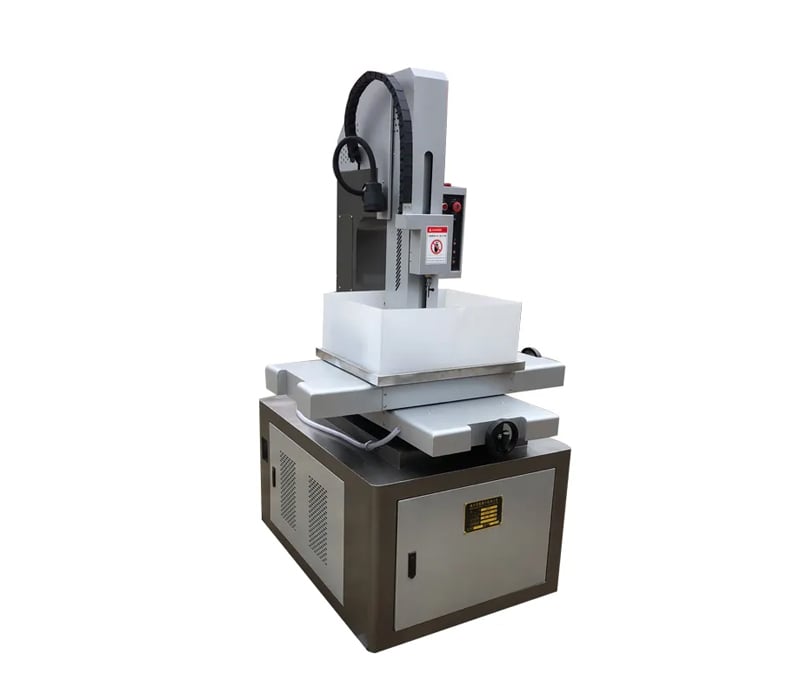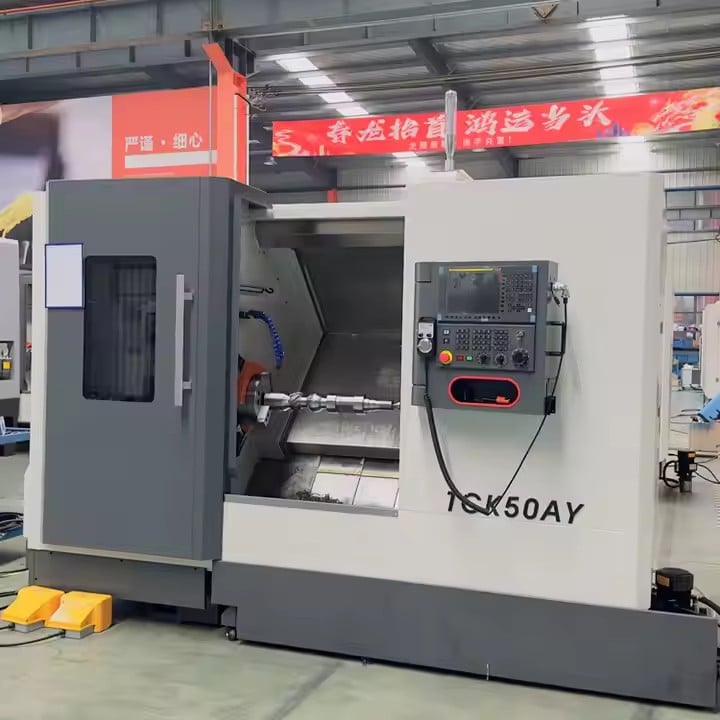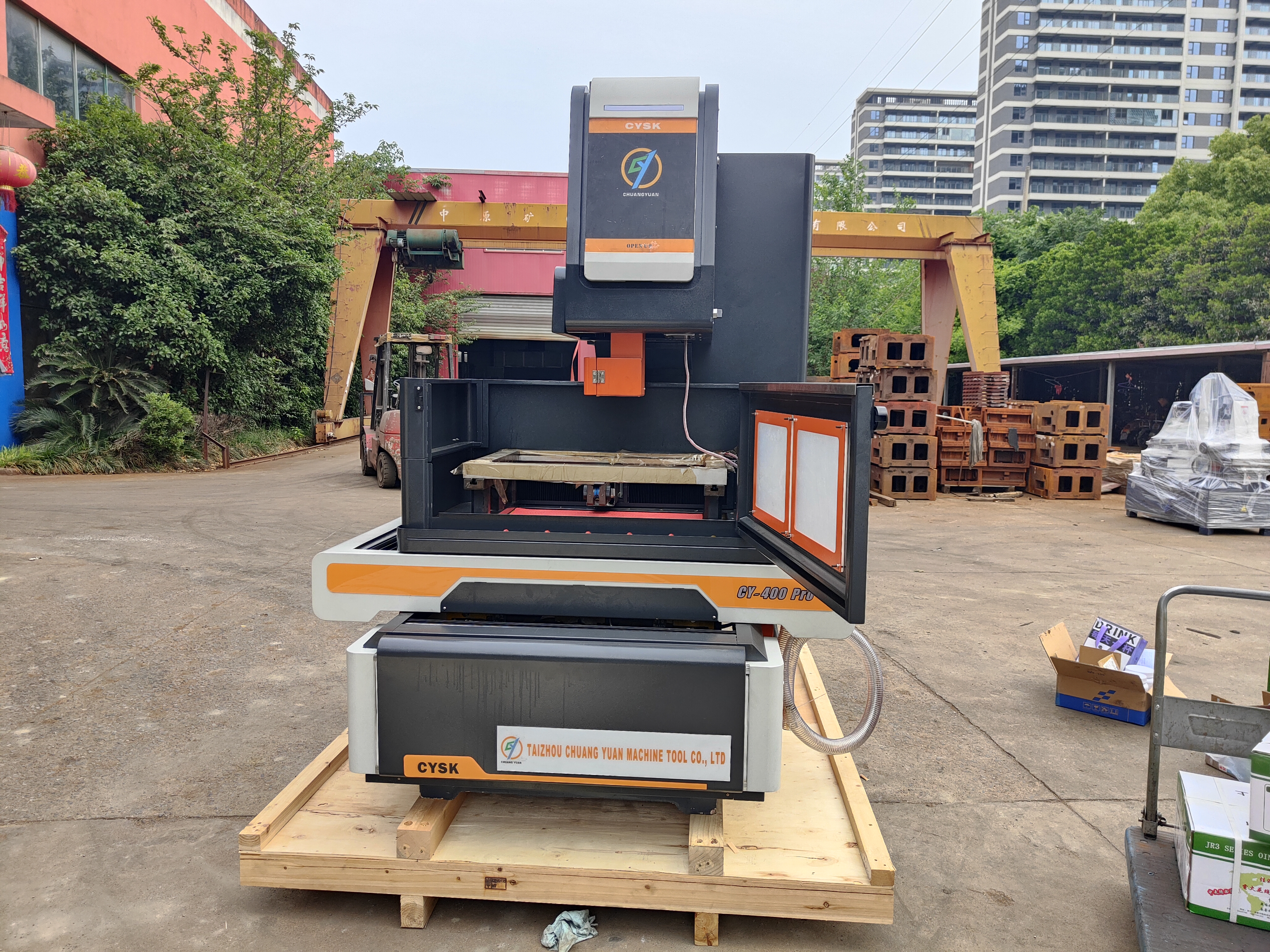
Wire Erosion Machine: 5-Axis Precision, 0.003mm Accuracy

All Categories

Get a Free Quote

Our representative will contact you soon.
Email
Mobile/WhatsApp
WeChat
Linkedin
Name
Company Name
Message
0/1000
Attachment
Please upload at least an attachment
Up to 3 files,more 30mb,suppor jpg、jpeg、png、pdf、doc、docx、xls、xlsx、csv、txt
Precision Wire Erosion Machine Solutions From A Trusted Chinese Manufacturer

Precision Wire Erosion Machine Solutions From A Trusted Chinese Manufacturer

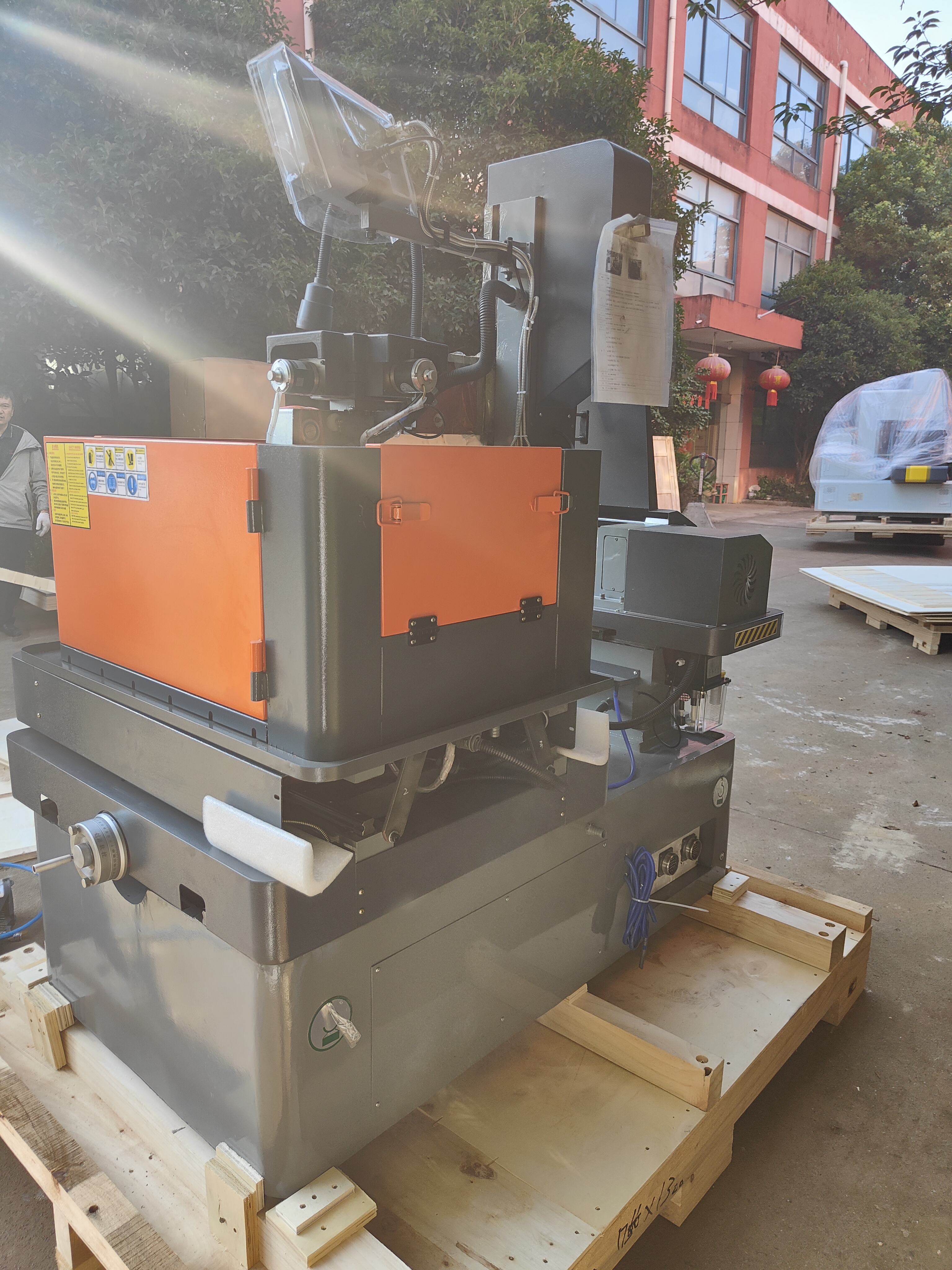
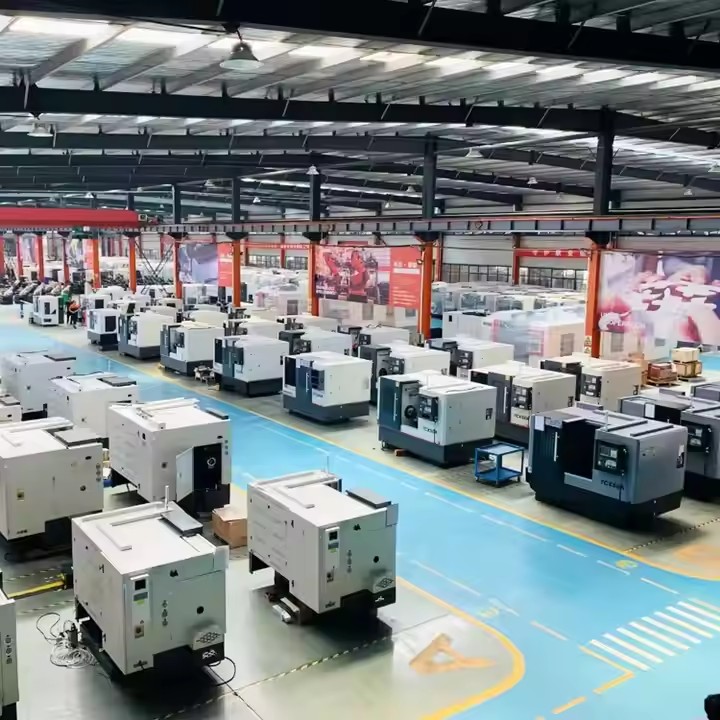
Taizhou Chuang Yuan Machine Tool Co., Ltd. has manufactured precision wire erosion machines since 2003 in Taizhou City, Jiangsu Province, China, serving tool rooms, mold shops, aerospace suppliers, and medical device factories in more than 20 countries. Our wire erosion machine line delivers repeatable positioning accuracy of +/-0.003 mm, surface finishes down to Ra 0.8 um, and cutting speeds up to 220 mm2/min on 1.0 mm brass wire. In mold making, customers routinely hold cavity tolerances within 0.005 mm across 300 mm travel, cutting polishing time by 30 to 40 percent compared with milling plus hand fitting. In aerospace, a Tier 2 supplier in Germany uses our five-axis wire erosion machine to cut Inconel 718 turbine shroud segments, reducing scrap from 8 percent to 1.5 percent within six months. Medical stent and surgical instrument makers in Turkey rely on our submerged wire erosion machine to hold 0.02 mm slot widths on 316L stainless steel and titanium.
Get A Quote

Case Study

German Mold Shop Cuts 1,200 mm Die Blocks With Five-Axis Wire Erosion Machine

A Bavarian mold manufacturer producing automotive headlamp dies faced a bottleneck: hardened 1.2344 steel blocks measuring 1,200 x 800 x 400 mm required complex angled cooling channels and shut-off faces that milling could not reach. Their existing wire erosion machine had only 600 mm travel, forcing outsourcing at 35 euros per hour with 14-day lead times. In 2022 they installed our CY-WEDM 1200 five-axis wire erosion machine with automatic wire threading and submerged cutting. The machine holds +/-0.004 mm accuracy across the full stroke, and the five-axis taper head cuts up to 30 degrees. Within three months, in-house cutting replaced 80 percent of outsourced work, lead time fell from 14 days to 3 days, and annual machining cost dropped by 210,000 euros. The shop now runs 22 hours per day, six days per week, and reports wire consumption of 0.18 kg per hour at 180 mm2/min on 0.25 mm brass wire. Their quality manager confirmed that 100 percent of die shut-off faces now pass blue-fit in

Turkish Medical Device Maker Achieves 0.02 mm Slots On 316L Stainless Steel

A Turkish manufacturer of surgical staplers and biopsy forceps needed to cut 0.02 mm wide, 8 mm deep slots in 316L stainless steel and titanium tubes without heat-affected zones or burrs. Laser cutting produced recast layers and dross that failed biocompatibility cleaning validation. After evaluating three suppliers, they selected our CY-WEDM 500 submerged wire erosion machine in 2023. Using 0.1 mm brass wire, deionized water with 12 microsiemens conductivity, and multi-pass trimming, the machine achieved Ra 0.4 um surface finish and slot width tolerance of +/-0.002 mm. Scrap rate fell from 12 percent to 1.8 percent, and post-processing polishing time dropped by 45 percent. The company passed ISO 13485 surveillance audit in 2024 with full process capability data (Cpk 1.67) generated from the machine's onboard logging. They have since ordered two additional wire erosion machine units to expand production of endoscopic instrument components for export to Germany and the United States.

Indian Electronics Connector Factory Raises Output 28 Percent With Automated Wire Erosion Machine

A connector manufacturer in Pune, India, producing high-speed backplane pins from beryllium copper and phosphor bronze struggled with electrode wear and inconsistent punch clearances. Manual die maintenance caused 9 percent downtime and 5 percent scrap. In 2023 they installed two of our CY-WEDM 400 automated wire erosion machines equipped with 24-position automatic wire threading and automatic slug removal. The machines cut punch and die inserts with 0.003 mm clearance consistency, extending die life from 800,000 strokes to 1.6 million strokes. Output rose 28 percent, scrap dropped to 0.9 percent, and unplanned downtime fell to 1.5 percent. The plant manager reported that the wire erosion machine's remote diagnostic feature allowed our engineers in China to resolve a flushing pump alarm within 40 minutes, avoiding a full shift of lost production. The company now exports connectors to 14 countries and credits the wire erosion machine investment for a 17 percent reduction in cost per 1,0

Related products

Understanding Wire Erosion Machine Technology And How To Choose The Right System: A wire erosion machine, also known as a wire electrical discharge machine (WEDM), removes conductive material by generating controlled electrical sparks between a continuously moving wire electrode and the workpiece submerged in deionized water. Unlike milling or laser cutting, this process exerts zero mechanical force, which allows manufacturers to cut hardened tool steel above 60 HRC, tungsten carbide, Inconel, titanium, and copper alloys with exceptional accuracy. The global wire erosion machine market was valued at approximately USD 1.9 billion in 2024 and is projected to grow at 5.6 percent annually through 2030, driven by demand from mold and die making, aerospace, medical devices, electronics, and automotive tooling. At Taizhou Chuang Yuan Machine Tool Co., Ltd., established in 2003 in Jiangsu Province, China, we design and build wire erosion machines that balance precision, speed, and total cost of ownership. Our production process begins with finite element analysis of the machine bed, which is cast from high-rigidity Meehanite iron and aged for 12 months to relieve internal stress. The bed is then machined on a five-axis CNC gantry mill to a flatness of 0.01 mm per 1,000 mm before assembly. Each axis uses preloaded linear guides and C3-grade ball screws with laser-calibrated pitch compensation, delivering positioning accuracy of +/-0.003 mm and repeatability of +/-0.001 mm. Our pulse generator operates at frequencies up to 1.5 MHz with adaptive control that monitors gap voltage 2,000 times per second, automatically adjusting discharge energy to prevent wire breakage and protect delicate geometries. On a typical job cutting 40 mm thick 1.2344 tool steel, our machine achieves 180 mm2/min with 0.25 mm brass wire while maintaining Ra 1.0 um, and multi-pass trimming reaches Ra 0.4 um. The wire transport system uses a closed-loop tension servo holding 8 to 12 N, which is critical for taper cutting up to 30 degrees and for threading 0.1 mm wire automatically. Our submerged cutting design reduces thermal distortion on thin parts below 0.5 mm thickness, a common requirement in medical and electronics applications. Environmentally, the machine consumes 2.8 kW in standby and 9.5 kW during cutting, and our water treatment unit extends deionized resin life to 1,800 hours. Around the world, customers use our wire erosion machine in specific ways. In Germany and Italy, mold shops cut injection mold inserts and extrusion dies, relying on our automatic slug removal to run lights-out overnight batches of eight to twelve cavities. In the United States, aerospace job shops cut honeycomb seal rings and turbine blade roots from nickel alloys, using our five-axis taper head to produce fir-tree profiles in a single setup. In Turkey and India, medical and electronics manufacturers cut stents, surgical jaws, and connector pins where burr-free edges eliminate secondary polishing. In Vietnam and Mexico, automotive stamping suppliers use our wire erosion machine to maintain progressive dies with 0.003 mm punch clearance, extending die life beyond 1.5 million strokes. In South Korea and Japan, precision connector tooling makers rely on our thermal compensation system to hold +/-0.002 mm over an 18-hour unattended run. We support every customer with remote diagnostics through an industrial IoT gateway, augmented reality guided maintenance, and a 48-hour spare parts channel from our Rotterdam warehouse. Our engineering team offers free cutting trials on customer materials, returning a detailed process report with recommended offsets, flush pressures, and wire grades. Choosing a wire erosion machine involves more than comparing price. Buyers should evaluate travel size against the largest die block they intend to cut, taper capability for complex relief angles, automatic wire threading reliability for lights-out operation, and the manufacturer's ability to provide application engineering. We recommend a minimum 10 percent travel margin beyond the largest part and a generator capable of handling the thickest material at the required finish. For shops cutting both hardened steel and carbide, a dual-power generator with separate finishing circuits avoids compromise. Because wire erosion machines typically operate for 15 to 20 years, serviceability and spare parts availability matter as much as initial specifications. Our machines use standard industrial components from Siemens, Panasonic, and HIWIN, which reduces long-term sourcing risk. We also publish maintenance schedules, error code libraries, and calibration procedures so customers can train local technicians independently. With more than 1,800 wire erosion machines installed worldwide and partnerships in over 20 countries, we continue to refine our designs based on field data. Recent improvements include a redesigned wire guide that lasts 40 percent longer, a flushing nozzle that reduces wire breakage on tall parts by 22 percent, and control software with built-in technology databases for 46 common materials. Whether you are a job shop adding your first wire erosion machine or a large manufacturer expanding capacity, our team can match a model to your parts, materials, and production targets.
Frequently Asked Questions

What Materials Can A Wire Erosion Machine Cut, And What Are The Practical Thickness Limits?

A wire erosion machine cuts any electrically conductive material, including hardened tool steel up to 70 HRC, tungsten carbide, Inconel, titanium, copper, brass, and aluminum. Practical thickness depends on generator power and flushing: our standard models cut 300 mm thick steel, and our high-power series handles 500 mm with reduced speed. Non-conductive ceramics and most plastics cannot be cut without an assist electrode.
Submerged cutting surrounds the workpiece in deionized water, improving cooling and accuracy on tall or thin parts, and is preferred for medical, aerospace, and die work. Flushing-only machines cost less and suit small, simple parts. Many customers choose a dual-mode wire erosion machine that switches automatically, giving flexibility across job types with one investment.
Daily tasks include checking water conductivity (target 5 to 15 microsiemens) and wire tension. Weekly tasks cover cleaning wire guides, checking power feed contacts, and replacing filters. Annually, we recommend laser calibration of all axes. Following this schedule, customers typically hold +/-0.003 mm accuracy for eight to ten years, with wire guide replacement every 600 to 900 hours depending on material.
Installation typically takes three to five days, including leveling, alignment, and a 24-hour cutting test. Our engineers then provide five days of on-site training covering programming, wire threading, offset setting, and flushing optimization. We include one year of warranty, remote diagnostics via IoT gateway, English documentation, and lifetime access to our application engineering team for process questions.
Standard models ship 30 to 45 days after deposit, and custom configurations take 60 to 75 days. We accept T/T with 30 percent deposit and 70 percent before shipment, or irrevocable L/C at sight. All machines ship with CE certification, fumigated wooden cases, and full export documentation. For repeat customers in our 20 plus export markets, we offer flexible scheduling and consolidated shipments.

Related Articles

The correct handling method for insufficient machining accuracy of fast wire cutting machine

13

Dec

The correct handling method for insufficient machining accuracy of fast wire cutting machine

View More
How to reduce pipe surface scratches during tube mill continuous forming process

29

Jun

How to reduce pipe surface scratches during tube mill continuous forming process

The Economic Reality of Surface Imperfections In the high-stakes world of tube mill production, a surface scratch is far more than a minor cosmetic blemish. It serves as a red flag, signaling deeper process instabilities that compromise structural ...
View More
Why modular spring machine supports fast switching of different spring production types

14

Jul

Why modular spring machine supports fast switching of different spring production types

Production Bottlenecks of Traditional Integrated Spring Forming Equipment Modern metal forming manufacturing increasingly features diversified product specifications and mixed batch production. Many production facilities need to process springs ...
View More
How to reduce drill bit wear during continuous deep hole machine processing tasks

03

Aug

How to reduce drill bit wear during continuous deep hole machine processing tasks

Understanding the Mechanics of Deep Hole Thermal Stress Executing continuous boring and high-depth machining tasks on industrial production lines presents severe thermal and mechanical challenges that routinely test the limits of cutting tooling. W...
View More

Customer Testimonials

Klaus Berger, Tooling Manager, Bavaria, Germany
Accuracy And Uptime That Transformed Our Mold Shop

We replaced two older wire erosion machines with the CY-WEDM 1200 and tracked results for 12 months. Positioning accuracy stayed within +/-0.004 mm on every audit, unplanned downtime dropped from 7 percent to 1.2 percent, and our overnight unattended cutting hours increased by 340 percent. The automatic wire threading works flawlessly even on 0.2 mm wire. Our cost per die block fell by 19 percent. The remote diagnostic support from Taizhou Chuang Yuan resolved a generator alarm in under an hour, which no local supplier had ever managed.

Ayse Demir, Production Director, Istanbul, Turkey
The Most Reliable Wire Erosion Machine In Our Production Line

We run three wire erosion machines for surgical instrument components, cutting 316L and titanium to 0.02 mm slot widths. Since adding the CY-WEDM 500, scrap dropped from 11 percent to 1.6 percent and Cpk improved to 1.71. The submerged cutting keeps thin walls distortion-free, and the machine's logging made our ISO 13485 audit straightforward. After two years, the only replacement parts have been filters and wire guides. Energy consumption is 18 percent lower than our previous brand at the same cutting speed.

Get a Free Quote

Our representative will contact you soon.
Email
Name
Company Name
Message
0/1000
Adaptive Pulse Control That Protects Precision On Every Wire Erosion Machine

Adaptive Pulse Control That Protects Precision On Every Wire Erosion Machine

Every wire erosion machine we build uses a high-frequency adaptive pulse generator that monitors gap conditions 2,000 times per second. In die and mold making, this prevents wire breakage during long unattended cuts, a common failure point when flushing conditions change as the cut deepens. On a 300 mm tall 1.2344 steel block, our adaptive control maintained 165 mm2/min average speed with zero wire breaks across an 18-hour run, while a competitor's fixed-parameter machine stopped four times. For aerospace customers cutting nickel alloys, the generator's anti-electrolysis circuit reduces surface recast to under 1 micrometer, passing fatigue-critical inspection. In medical manufacturing, stable discharge energy keeps slot width variation below 0.002 mm, which is essential for stent and forceps production. The system also records discharge data for traceability, supporting ISO 9001 and ISO 13485 audits. Customers in Germany, Turkey.
Five-Axis Taper Cutting Up To 30 Degrees On A Single Wire Erosion Machine

Five-Axis Taper Cutting Up To 30 Degrees On A Single Wire Erosion Machine

Complex dies often require angled walls, relief clearances, and variable taper that single-axis machines cannot produce without multiple setups. Our wire erosion machine series supports five-axis simultaneous motion with taper angles up to 30 degrees, enabling mold shops to cut shut-off faces, ejector pin angles, and deep ribs in one operation. A Bavarian customer cutting headlamp dies reduced setups from four to one, saving 11 hours per die block and improving angular accuracy to +/-0.01 degrees. The closed-loop wire tension system holds 8 to 12 N throughout the taper path, preventing wire lag that causes corner rounding. For aerospace fir-tree blade roots, the five-axis head produces compound angles in a single pass, eliminating a separate EDM sinker operation and reducing lead time by six days. In electronics connector tooling, variable taper allows cutting both the punch and die insert with matched clearance, extending tool life beyond 1.5 million strokes.
WhatsApp WhatsApp Email Email Mobile Mobile TopTop