EN
EN

Identifying Legacy Constraints in Spark Erosion Production
Operating mature, decades-old equipment on high-precision manufacturing shop floors often creates hidden operational penalties that quietly erode profit margins over time. When production facilities rely on legacy electrical discharge systems, technicians frequently struggle with inconsistent pulse generation, sluggish response times, and severe thermal instability during extended machining runs. Older machinery lacks the computational power required to manage complex multi-axis interpolation or maintain stable spark gaps when processing difficult aerospace and mold-making alloys. Years of hands-on involvement on busy production lines demonstrate that retaining outdated hardware inevitably leads to compromised surface finishes, soaring maintenance overheads, and missed delivery deadlines that damage client relationships.
Overcoming Operational Constraints with Modernized Hardware Architecture
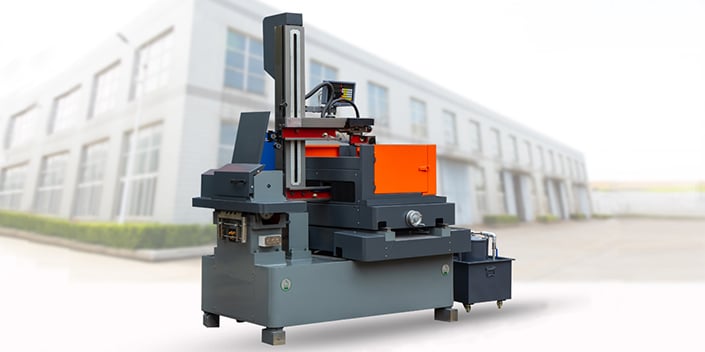
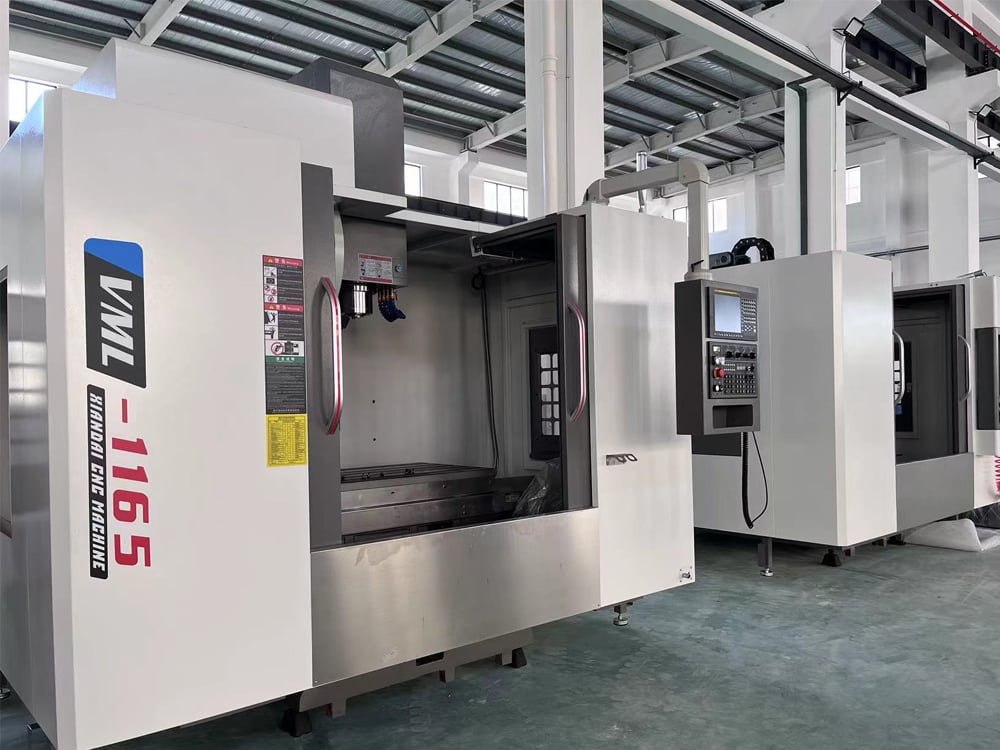
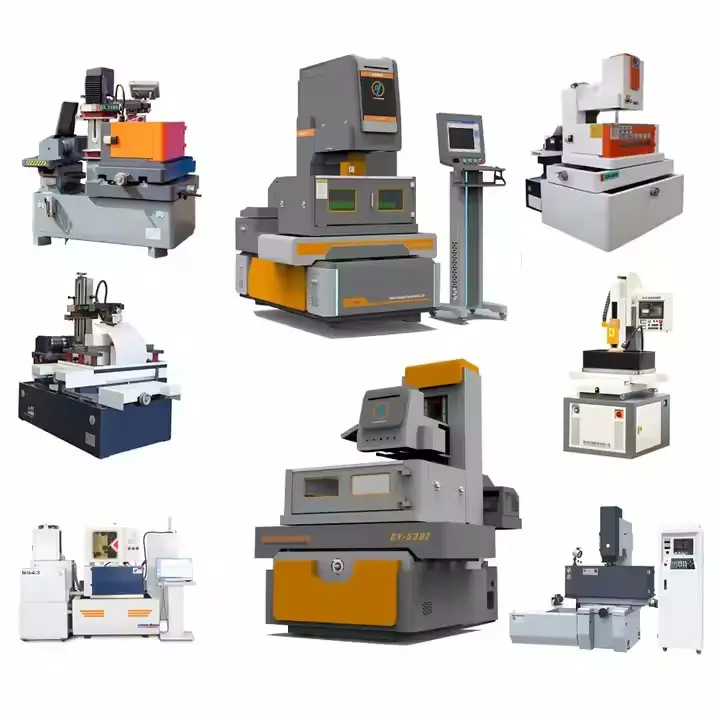
Stepping onto an active manufacturing plant reveals a stark contrast between aging spark erosion units and state-of-the-art processing centers. Legacy machines are notoriously plagued by frequent hydraulic leaks, degraded electrical contacts, and outdated display systems that complicate daily operation. Practical troubleshooting on the shop floor shows that upgrading to a modern edm spark erosion machine instantly eliminates these recurring mechanical headaches. Advanced solid-state generators and rigid cast-iron frame designs absorb high-frequency cutting loads effortlessly, preventing the structural chatter that causes dimensional drift and scrap parts during critical cavity-sinking operations.
Advanced Digital Pulse Generators and Surface Integrity Engineering
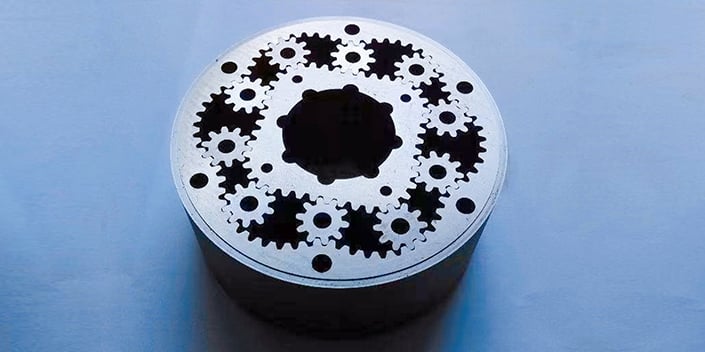
The true value of upgrading industrial machinery lies in the sophisticated control physics embedded within modern adaptive pulse generators. Senior metallurgists and manufacturing standards associations continually emphasize that precise regulation of spark duration, discharge current, and off-time intervals is vital for preventing micro-cracking. Newer systems utilize high-speed digital signal processors to monitor gap conditions thousands of times per second, dynamically adjusting flushing pressures and current densities on the fly. This meticulous thermal management eliminates subsurface metallurgical degradation, ensuring that intricate mold inserts achieve mirror-like surface textures without requiring extensive manual polishing.
Streamlining Electrode Calibration and Automated Workholding
Maximizing output value in a modern machining environment requires eliminating manual setup bottlenecks through intelligent automation and rigid workholding integration. Technicians routinely verify pilot workpieces using advanced optical comparators and laser measurement systems to ensure absolute positional repeatability across multi-pallet setups. Furthermore, contemporary spark erosion platforms feature sophisticated tool-changing carousels and programmable coordinate measuring routines that reduce idle changeover time to a bare minimum. Comprehensive stress and fatigue testing guarantee that every processed component meets rigorous international benchmarks, ensuring seamless assembly line integration for global industrial partners.
Maximizing Shop Floor Efficiency and Long-Term Capital Value
Achieving lasting manufacturing excellence ultimately comes down to establishing proactive maintenance routines and systematic wear-tracking protocols for all heavy-duty plant assets. Operators regularly inspect dielectric fluid filtration systems, high-pressure flushing nozzles, and digital feedback encoders, applying structured maintenance schedules to prevent thermal drift during grueling multi-shift production runs. By combining robust machinery upkeep strategies with versatile, high-precision processing solutions, CYSKMC delivers heavy-duty manufacturing equipment and comprehensive supply chain options engineered to withstand the most punishing factory environments while maximizing line uptime and preserving exceptional capital value for global industrial enterprises.
Table of Contents
- Identifying Legacy Constraints in Spark Erosion Production
- Overcoming Operational Constraints with Modernized Hardware Architecture
- Advanced Digital Pulse Generators and Surface Integrity Engineering
- Streamlining Electrode Calibration and Automated Workholding
- Maximizing Shop Floor Efficiency and Long-Term Capital Value