Precision CNC EDM Drill Solutions From A Trusted Chinese Manufacturer
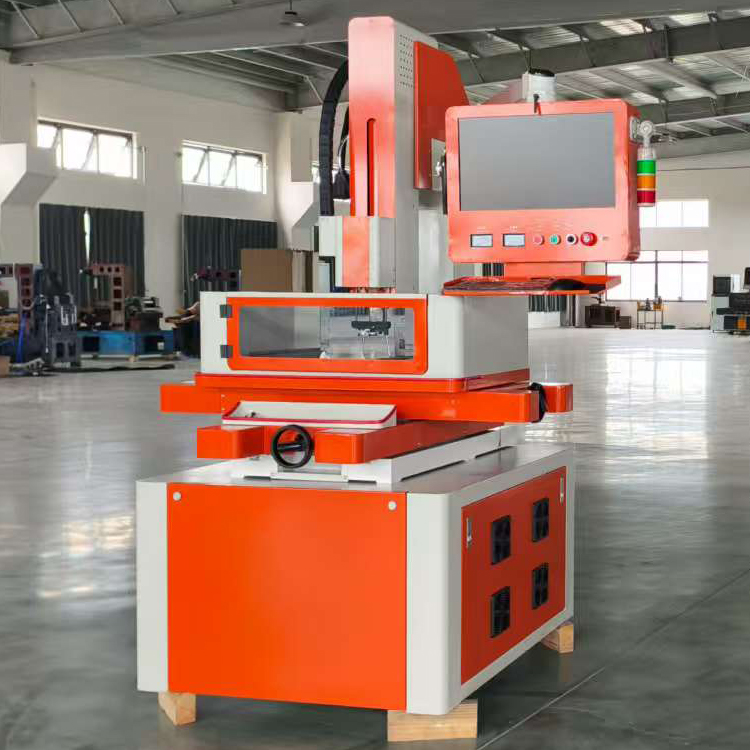
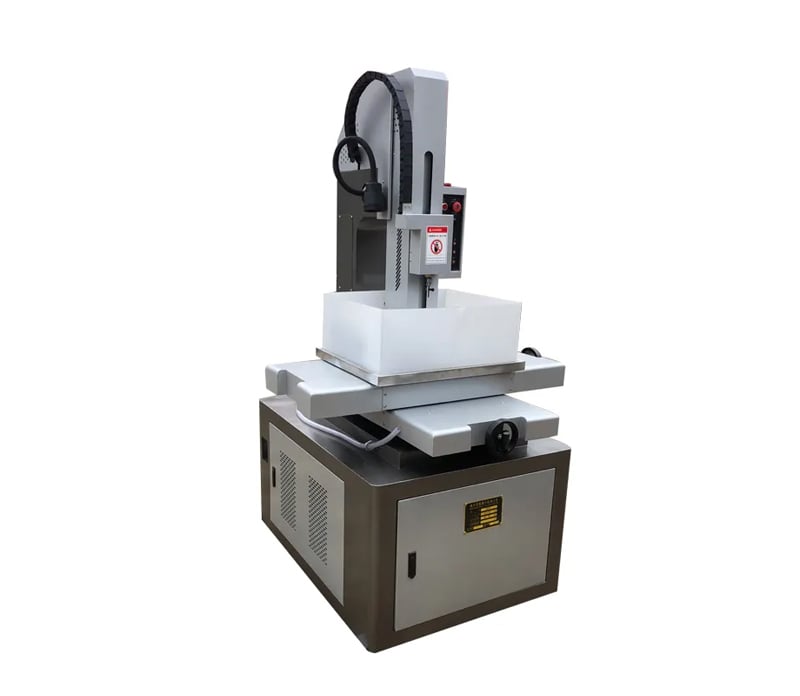
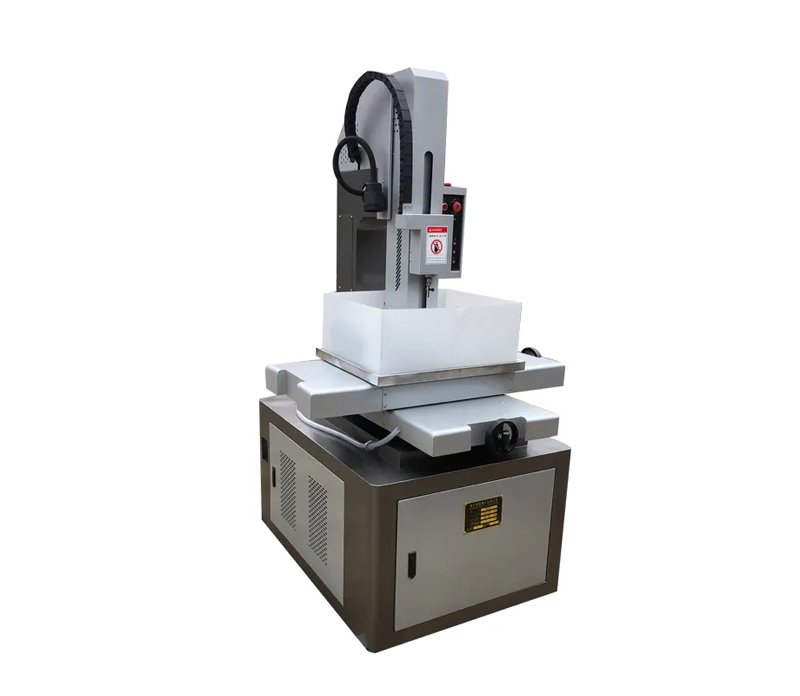
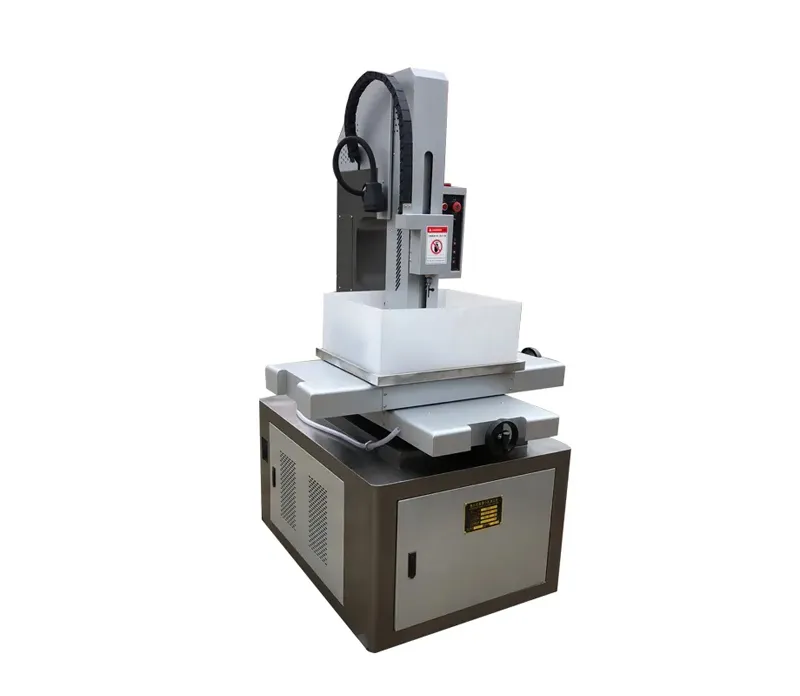
Taizhou Chuang Yuan Machine Tool Co., Ltd. has engineered CNC EDM Drill systems since 2003, combining research, production, and global sales under one roof in Taizhou City, Jiangsu Province. Our CNC EDM Drill platforms serve mold makers, aerospace component suppliers, automotive die shops, and medical device manufacturers who require sub-micron hole accuracy in hardened tool steel, carbide, and superalloys. In real shop-floor use, clients drilling 0.3 mm cooling holes into Inconel 718 turbine vanes report electrode wear reduced to 0.8 percent per hole and positioning repeatability of plus or minus 0.003 mm across 24-hour unattended runs. A German mold builder replaced two legacy units with our six-axis CNC EDM Drill and cut electrode consumption by 37 percent while raising first-pass yield from 91 to 98.6 percent. Our machines handle 0.1 to 6.0 mm diameters, spindle speeds to 24,000 rpm, and servo response under 0.5 ms, enabling high-aspect-ratio drilling up to 200:1.
Get A Quote