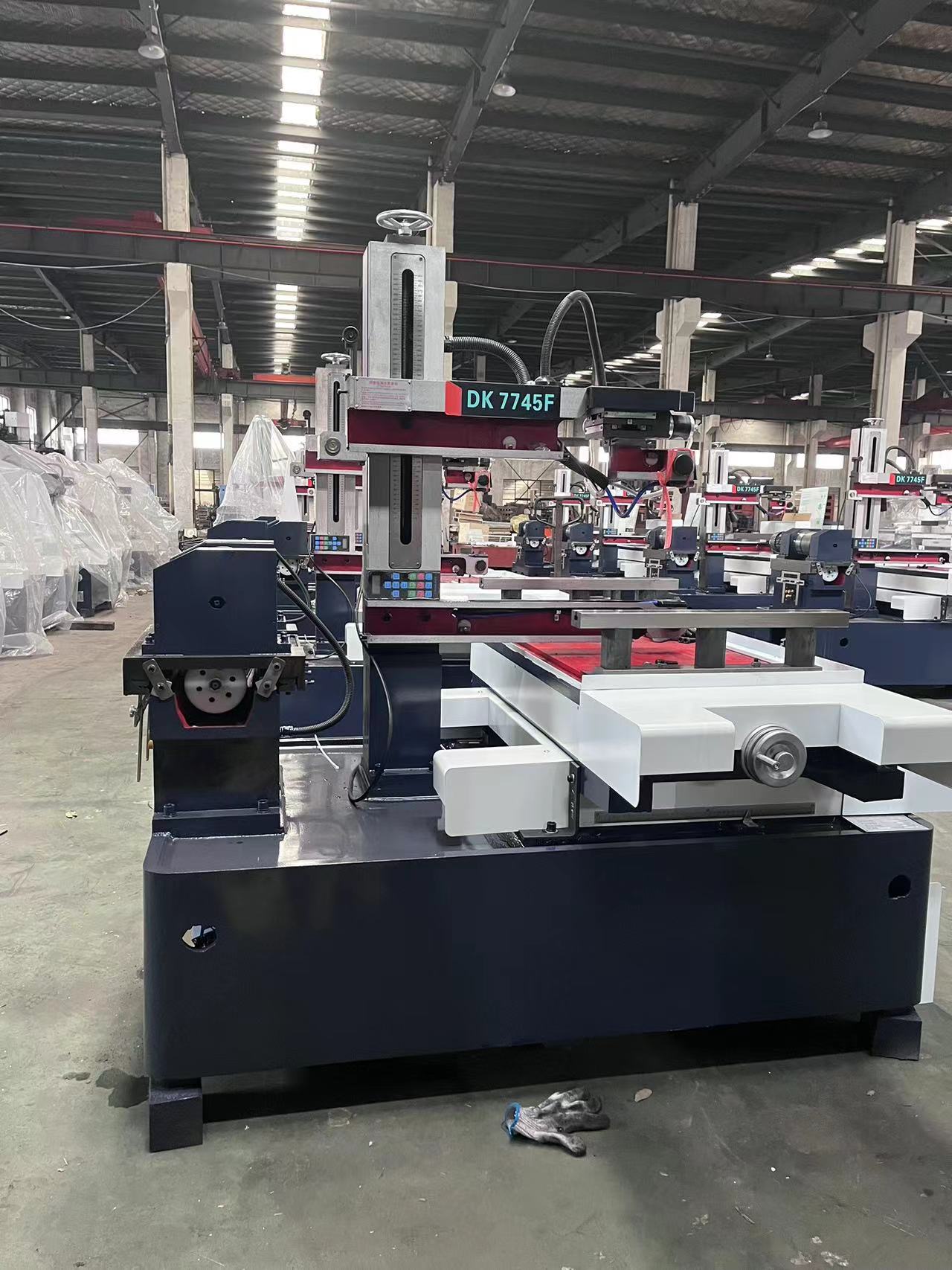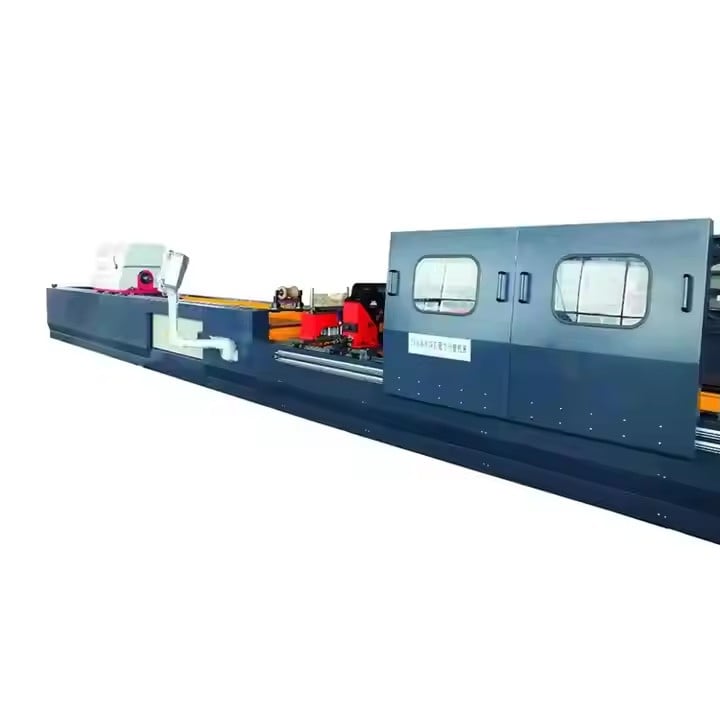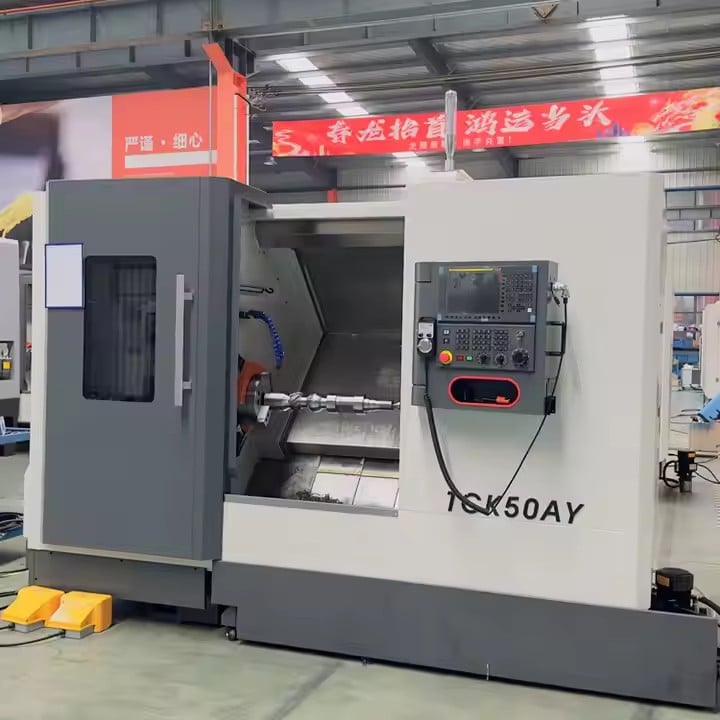
Chmer Wire EDM Machines: ±0.003mm Accuracy & Ra 0.4μm Finish

All Categories

Get a Free Quote

Our representative will contact you soon.
Email
Mobile/WhatsApp
WeChat
Linkedin
Name
Company Name
Message
0/1000
Attachment
Please upload at least an attachment
Up to 3 files,more 30mb,suppor jpg、jpeg、png、pdf、doc、docx、xls、xlsx、csv、txt
Chmer Wire EDM Solutions Engineered for Precision-Driven Global Manufacturers

Chmer Wire EDM Solutions Engineered for Precision-Driven Global Manufacturers

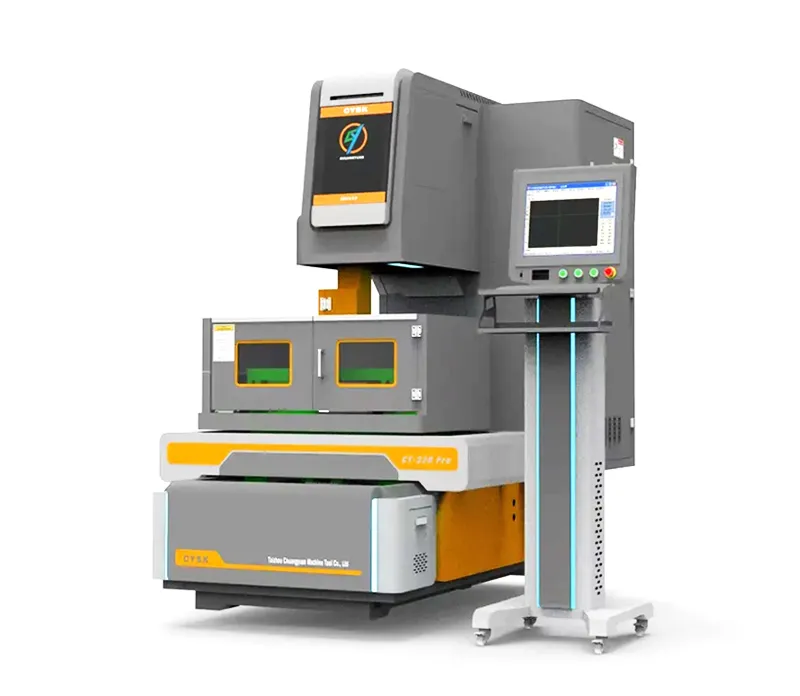
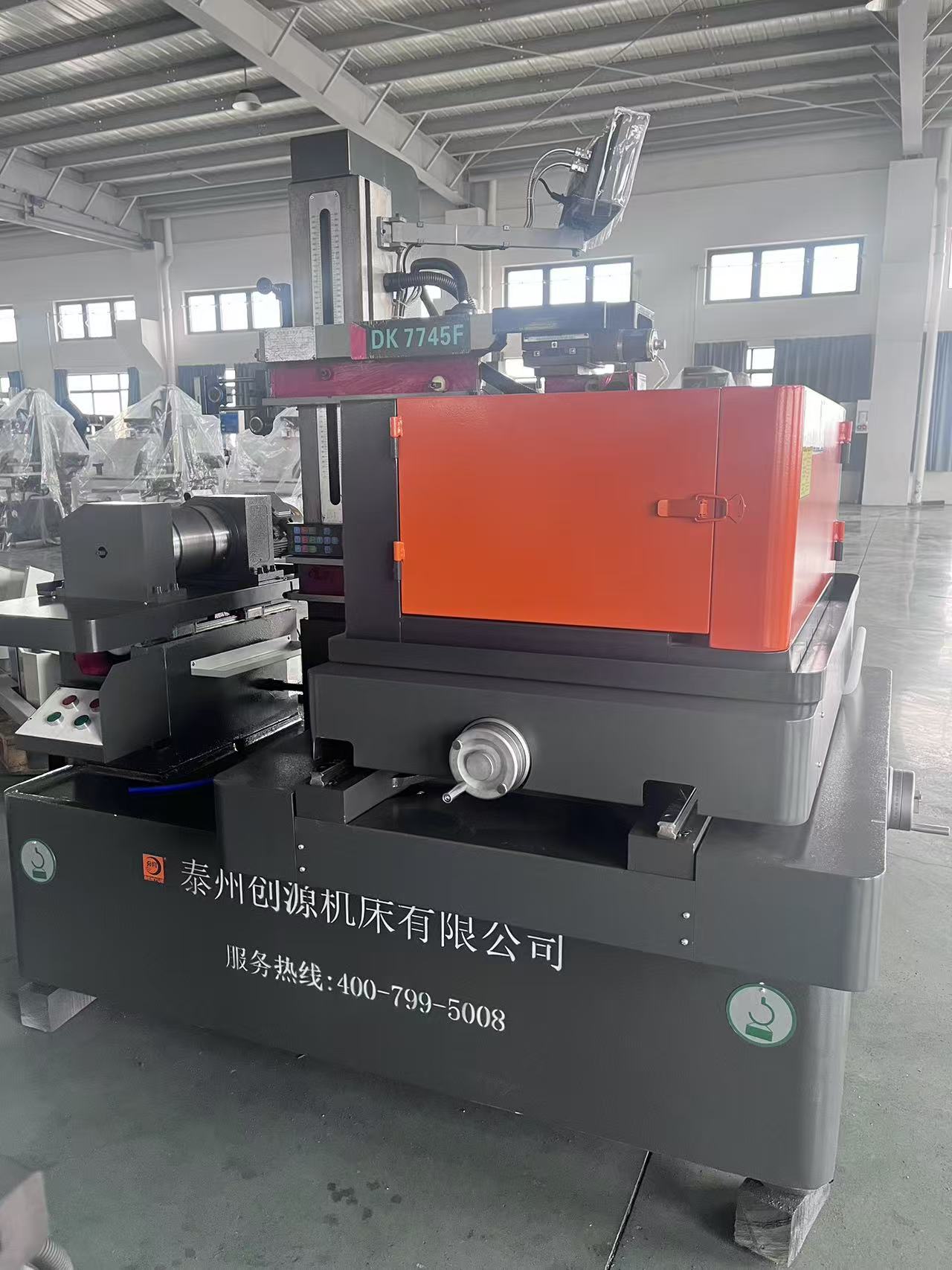
Taizhou Chuang Yuan Machine Tool Co., Ltd. has manufactured precision machine tools since 2003, and our Chmer Wire EDM portfolio delivers the dimensional discipline that mold shops, aerospace suppliers, and medical device makers demand daily. Chmer Wire EDM technology uses a continuously traveling wire electrode to cut hardened steel, carbide, and exotic alloys with burr-free edges, achieving positioning accuracy of +/-0.003 mm and surface finishes down to Ra 0.4 um. In practice, a die and mold workshop cutting 58-62 HRC insert cavities typically reports 30-40% shorter finishing time because Chmer Wire EDM removes the need for secondary grinding. We support customers across more than 20 exporting countries and regions. Typical applications include progressive stamping dies, extrusion tooling, medical bone plates, and connector molds. In one representative case.
Get A Quote

Case Study

Chmer Wire EDM Cuts Automotive Die Lead Times by 38 Percent

A Tier 2 automotive stamping supplier in Southeast Asia was losing contracts because die repair turnaround averaged nine days, with manual grinding causing inconsistent clearances. The plant installed Chmer Wire EDM units and standardized molybdenum wire at 0.25 mm for roughing and 0.15 mm for trim passes, running submerged. Positioning accuracy of +/-0.003 mm allowed operators to re-cut worn punch and die sections without re-machining the entire block. Repair turnaround dropped to 5.6 days, a 38% improvement, and stamping burr height fell below 0.05 mm. Over 14 months the customer processed more than 2,300 die inserts with a scrap rate of 0.9%, protecting two major contracts.

Chmer Wire EDM Raises Medical Part Throughput by 27 Percent

A medical device manufacturer in Western Europe needed burr-free 316L stainless steel bone plate profiles with Ra 0.4 um finishes. Their previous process required three operations. Using Chmer Wire EDM with multi-pass finishing and deionized water control, the team consolidated the sequence into one setup. Cycle time per plate decreased from 42 to 30.6 minutes, a 27% gain, while edge quality passed internal fatigue screening. The shop now runs 18,000 plates per year on two machines with 96.5% uptime, and rework fell from 4.1% to 0.7%.

Chmer Wire EDM Holds 0.005 mm on Connector Molds for 12,000 Inserts

An electronics connector mold maker in East Asia faced core pin misalignment that caused flashing on 0.4 mm pitch connectors. Chmer Wire EDM with automatic wire threading and closed-loop compensation held 0.005 mm positional tolerance across long production runs. Annual output of 12,000 cavity inserts was achieved with dimensional capability (Cpk) of 1.67, and flashing defects dropped by 82%. The customer credited Chmer Wire EDM with winning a three-year supply agreement for server and telecom connector tooling. Products Title: Explore Our Chmer Wire EDM Series Built for Demanding Tool Rooms

Related products

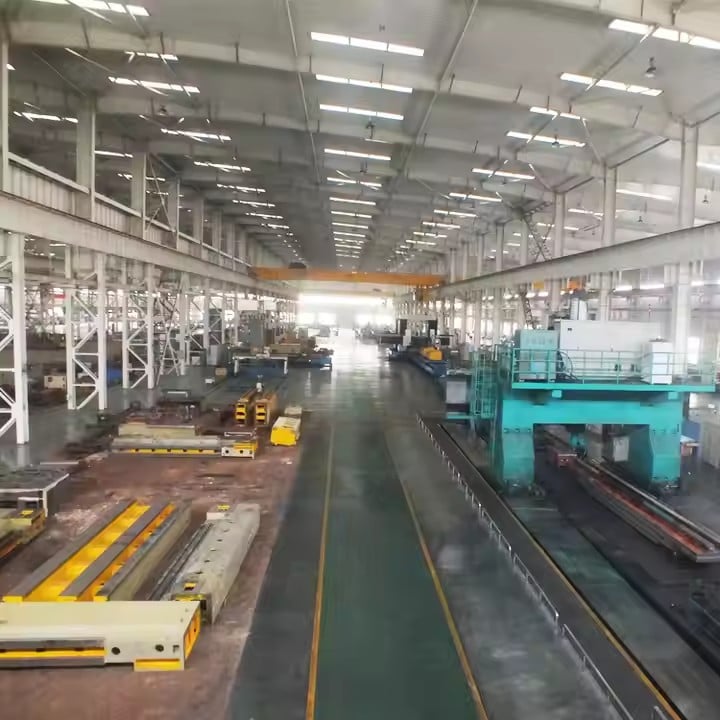
Chmer Wire EDM occupies a distinct position among precision machining methods because it removes material through controlled electrical discharges rather than mechanical force. This distinction matters in production environments where hardened tool steel, carbide, and superalloys cannot be cut efficiently by milling. In a typical Chmer Wire EDM workflow, the operator prepares the CNC program from a CAD model, selects the wire diameter, and defines roughing and finishing passes. Molybdenum wire from 0.10 mm to 0.30 mm travels between upper and lower guides while deionized water flushes the gap, carrying away debris. The generator adjusts pulse on-time and off-time in microseconds, so the same machine can rough at 180 mm2/min and finish to Ra 0.4 um. Thermal stability matters because a 2 degree Celsius drift can shift dimensions by several microns. Our production process begins with finite element analysis of the machine bed, followed by casting, stress relief, and hand scraping of guideways. Laser interferometry verifies positioning accuracy of +/-0.003 mm, and each spindle assembly is run-in under load. We manufacture in Taizhou City, Jiangsu Province, and since 2003 we have refined this process across thousands of units. For global customers, we document every machine with test charts, wire consumption data, and recommended preventive maintenance intervals. In mold making, Chmer Wire EDM produces parting lines and ejector pin holes that fit without hand fitting; in aerospace, it cuts turbine fixture details from Inconel; in medical, it delivers burr-free bone plates and surgical guides. A German tool room running two shifts reported 96.5% uptime over 18 months, while a Southeast Asian automotive supplier cut die repair time by 38% after switching. Our engineers support remote diagnostics and consumable planning across more than 20 exporting countries and regions, and we train operators on wire threading, water conductivity, and offset strategy. We also help customers plan power capacity, floor layout, and coolant recycling, because stable infrastructure protects accuracy. From first drawing to final acceptance, every Chmer Wire EDM machine is built to repeat the same cut tomorrow that it made today.
Frequently Asked Questions

What materials can Chmer Wire EDM cut efficiently in daily production?

Chmer Wire EDM handles conductive materials, including hardened tool steel up to 62 HRC, carbide, copper, aluminum, titanium, and nickel alloys such as Inconel. It is widely used for stamping dies, extrusion tooling, medical bone plates, and connector molds. Non-conductive ceramics require alternative methods. For mixed workloads, we recommend wire diameters from 0.15 mm to 0.25 mm, which balance cutting speed and corner accuracy. Our team reviews your material list and thickness range to confirm achievable tolerances, typically +/-0.003 mm positioning and Ra 0.4 um finishing.
Use the machine control library as a baseline, then tune for your material. Roughing prioritizes removal rate, often reaching 180 mm2/min on steel with 0.25 mm wire. Finishing uses lower energy and multiple trim passes to reach Ra 0.4 um. Keep water conductivity between 5 and 15 microsiemens and maintain consistent flush pressure. Record offsets after each setup so repeats stay within 0.005 mm. We provide parameter sheets and remote guidance for your specific jobs.
Daily checks cover wire tension, water level, and filter pressure. Weekly tasks include cleaning guides and checking conductivity. Quarterly, inspect power contacts and level the machine. Replace filters every 300 to 400 hours depending on load. With this schedule, customers commonly report 96% or higher uptime across 18 months. We supply spare parts lists and maintenance logs, and our engineers assist by remote diagnostics.
Most installations complete in 3 to 5 days after the machine arrives, including leveling, power connection, water system setup, and test cuts. Operator training typically takes 2 to 3 days, covering programming, wire threading, offset setting, and troubleshooting. We deliver documentation in English and provide video support afterward. Customers in more than 20 exporting countries and regions follow this process and usually reach stable production within two weeks.
Yes, when parts are hardened or have sharp internal corners. Chmer Wire EDM removes secondary grinding and hand fitting, cutting die repair time by up to 38% in documented cases. Consumables are mainly wire, filters, and resin; wire cost per part often falls below 8% of total machining cost. Combined with scrap rates under 1%, most customers see payback within 12 to 24 months depending on utilization.

Related Articles

Processing characteristics of EDM wire cutting machine

24

Dec

Processing characteristics of EDM wire cutting machine

View More
Why modular spring machine supports fast switching of different spring production types

14

Jul

Why modular spring machine supports fast switching of different spring production types

Production Bottlenecks of Traditional Integrated Spring Forming Equipment Modern metal forming manufacturing increasingly features diversified product specifications and mixed batch production. Many production facilities need to process springs ...
View More
How to customize spring machine mold fixtures for special shaped spring production

03

Aug

How to customize spring machine mold fixtures for special shaped spring production

Mastering Complex Spring Production Challenges Navigating the intricacies of high-speed industrial manufacturing demands a profound understanding of wire feed dynamics, mechanical tolerances, and multi-axis bending mechanics across modern automated...
View More
What export quality standards international clients require for wire cutting machine products

03

Aug

What export quality standards international clients require for wire cutting machine products

Understanding International Export Compliance in Precision Machining Navigating the complex landscape of global industrial trade requires a thorough understanding of the stringent technical benchmarks that overseas buyers mandate for advanced metal...
View More

Customer Testimonials

Marcus Lindqvist, Tooling Manager, Sweden
Chmer Wire EDM That Holds Tolerance Shift After Shift

We run two Chmer Wire EDM machines six days a week on hardened stamping dies. Positioning accuracy has stayed within 0.005 mm for 14 months, and die repair turnaround dropped from nine days to 5.6 days. Scrap is now under 1%, and our operators learned the controls in three days. The remote diagnostics support has been fast and practical.

Daniel Okafor, Production Director, Canada
Reliable Chmer Wire EDM for Medical Stainless Steel Parts

Our bone plate production needs burr-free edges and Ra 0.4 um finishes. Since adding Chmer Wire EDM, cycle time fell 27% and rework dropped from 4.1% to 0.7% across 18,000 plates per year. Machine uptime is 96.5%. The parameter guidance and training from the factory made the transition smooth for our team.

Get a Free Quote

Our representative will contact you soon.
Email
Name
Company Name
Message
0/1000
Chmer Wire EDM Accuracy Verified by Laser Interferometry on Every Machine

Chmer Wire EDM Accuracy Verified by Laser Interferometry on Every Machine

Every Chmer Wire EDM unit we ship is measured with laser interferometry before acceptance, confirming positioning accuracy of +/-0.003 mm and repeatability that supports 0.005 mm part tolerances in production. This matters in mold making, where a few microns decide whether a connector mold flashes at 0.4 mm pitch, and in aerospace fixture work, where Inconel details must fit without hand rework. Our inspection process records pitch error, straightness, and backlash across the full travel, and the data sheet travels with the machine. Customers use these records to set maintenance intervals and to validate capability for audits. A European mold builder used our test data to achieve Cpk 1.67 on 12,000 cavity inserts per year, while an Asian electronics tool room cut flashing defects by 82%. Because accuracy is documented rather than claimed, your quality team can plan production around real numbers.
Chmer Wire EDM Productivity Balanced Between 180 mm2/min Roughing and Ra 0.4 um Finishing

Chmer Wire EDM Productivity Balanced Between 180 mm2/min Roughing and Ra 0.4 um Finishing

Chmer Wire EDM generators adjust pulse parameters in microseconds, letting one machine rough at up to 180 mm2/min and finish to Ra 0.4 um without moving the workpiece. This balance removes the traditional trade-off between speed and surface quality that forces shops to buy multiple machines or accept secondary operations. In automotive die repair, customers cut hardened 58-62 HRC sections and skip grinding entirely, cutting finishing time by 30-40%. In medical production, bone plates machined from 316L stainless steel moved from three operations to one setup, reducing cycle time from 42 to 30.6 minutes per plate, a 27% gain. Wire diameters from 0.10 mm to 0.30 mm let operators choose the right balance for each feature: thicker wire for fast roughing, thinner wire for tight radii and fine detail. Automatic wire threading further reduces idle time after wire breaks.
WhatsApp WhatsApp Email Email Mobile Mobile TopTop