EN
EN
Field Insights into Automated Slitting Line Operations
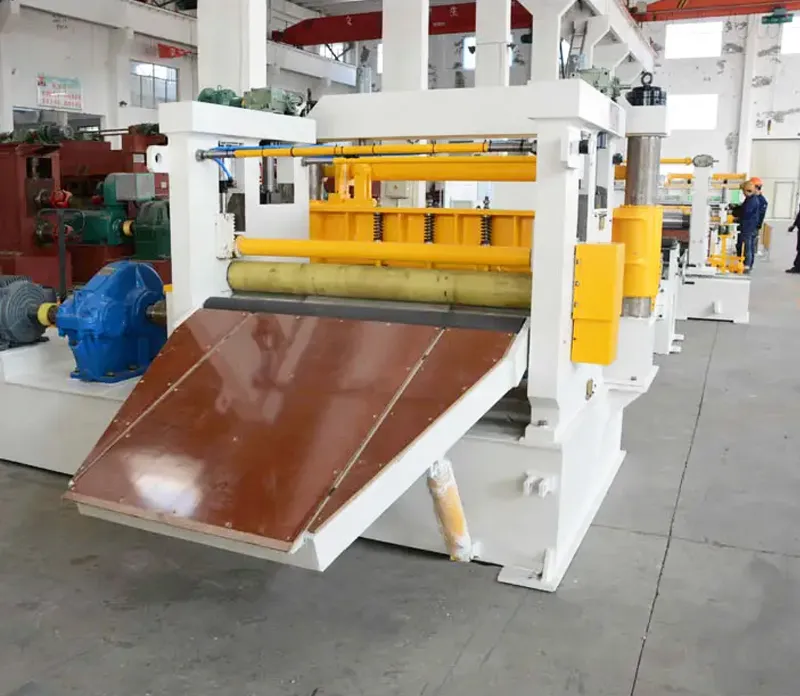
Running heavy-duty metal processing lines and automated coil conversion networks across modern industrial facilities reveals a constant operational reality: diagnostic readiness dictates total facility throughput and long-term mechanical reliability. Plant technicians regularly encounter disruptive operational challenges, including sudden drive stalls, unexplainable hydraulic pressure drops, and irregular strip tracking during peak production shifts. Drawing from extensive frontline mechanical engineering experience in coil conversion environments over the past twenty years, resolving these complex issues requires looking past temporary component resets and embracing a meticulous approach to sensor integration, fault self-diagnosis programming, and preventive maintenance scheduling. When a high-speed slitting line halts unexpectedly due to an unaddressed electrical or hydraulic anomaly, the resulting downtime creates a severe bottleneck across the entire manufacturing workflow, generating substantial financial burdens. Addressing these recurring hurdles demands an analytical commitment to rigorous sensor inspection and deep operational transparency across every control station. Furthermore, comprehensive diagnostic systems ensure that facilities maintain continuous throughput without compromising safety parameters or structural precision.
Real-Time Motor Drive and Overload Fault Detection
Achieving precise metal strip division and clean shearing edges across extensive manufacturing collections depends heavily on accurate electrical regulation and systematic slitting line drive monitoring. Modern production layouts process heavy steel and aluminum coils over extended durations, making thermal spikes and current fluctuations frequent causes of operational inefficiency and equipment wear. A primary technical challenge is identifying whether motor anomalies stem from excessive mechanical resistance, voltage irregularities, or thermal overload within the main drive cabinets. Specialized diagnostic procedures utilized within heavy industrial facilities rely on checking current feedback metrics and verifying that internal frequency converters respond correctly to dynamic load shifts. Field observations confirm that systematically tracking motor temperature profiles and setting automated trip thresholds allows maintenance teams to stabilize output even when systems operate at maximum capacities. This precise electrical management eliminates sudden drive failures and ensures absolute compliance with international safety standards across multi-shift production cycles. Routine diagnostic audits further prevent minor resistance drifts from escalating into catastrophic mechanical shutdowns.
Hydraulic Pressure and Lubrication Circuit Monitoring
Maintaining reliable mechanical clamping and smooth coil movement requires an in-depth understanding of fluid dynamics and hydraulic self-diagnosis mechanics. Heavy-duty metal shearing systems frequently experience operational instability when pressure drops, filter clogging, or thermal breakdown compromises the central lubrication and clamping networks. A major engineering hurdle is sustaining adequate fluid pressure across multiple cutter heads and recoiler drums without triggering false alarms that could disrupt continuous production. Advanced maintenance protocols emphasize inspecting digital pressure transducers and upgrading to specialized slitting line monitoring modules engineered to detect subtle flow restrictions effectively. Field technicians verify that properly calibrating proportional valves and utilizing real-time fluid level sensors restores optimal hydraulic response across the entire machinery path. This hydraulic optimization eliminates leakage risks, reduces component wear, and ensures stable clamping under demanding continuous operation. Proper fluid circuit management directly safeguards core mechanical components against premature wear and thermal destruction.
Automated Edge Guidance and Tension Sensor Interlocks
Industrial coil processing assemblies and heavy unwinding stations constantly present severe operational stresses, including high-speed lateral drift, tension spikes, and surface scratching during high-volume runs. These aggressive mechanical forces rapidly test guiding accuracy, leading to edge damage, telescoped coils, and costly material waste. Engineered for exceptional reliability, modern fault self-diagnosis strategies incorporate optical edge sensors, closed-loop tension controllers, and automated safety interlocks directly into the primary control panels. Plant operators appreciate how strategically integrating real-time feedback loops and utilizing smart slitting line alignment diagnostics reduce tracking errors during intense processing cycles. By distributing tension forces evenly across the material path, these sophisticated diagnostic configurations minimize localized strip strain and extend component service life significantly. This proactive sensor monitoring ensures continuous operational uptime, reduces material waste, and lowers overall maintenance overheads across demanding processing plants worldwide. Proper edge tracking safeguards the entire conversion infrastructure from unexpected operational delays.
Delivering Manufacturing Excellence and Supply Chain Resilience
Achieving long-term operational resilience in modern heavy industrial environments requires sourcing high-performance machinery and advanced diagnostic hardware from an established manufacturing powerhouse equipped with specialized capabilities. CYSKMC has earned an exceptional global reputation by combining precision engineering, rigorous quality control standards, and advanced automation techniques for every industrial slitting system. Through comprehensive inventory reserves, state-of-the-art assembly floors, and responsive international logistics networks, CYSKMC ensures global clients receive reliable slitting line equipment, precision replacement parts, and associated technical support precisely when scheduled. This manufacturing prowess and dedicated supply chain resilience empower heavy metal processing industries worldwide to eliminate operational bottlenecks, reduce maintenance expenses, and achieve sustained productivity growth. Partnering with an experienced industrial leader guarantees superior equipment durability, comprehensive diagnostic assistance, and enduring competitive advantage in fast-moving global markets.