EN

The Core Link Between Pulse Parameters and EDM Workpiece Surface Quality
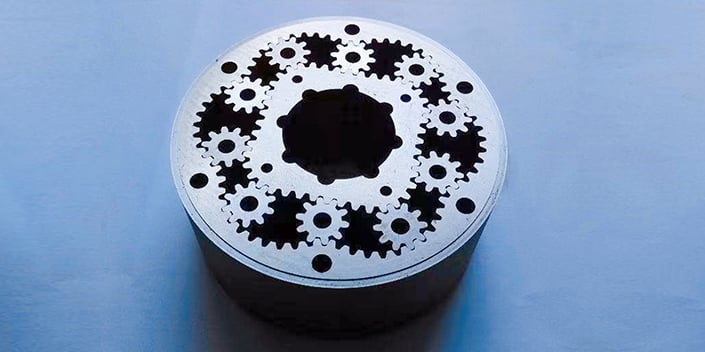
Most manufacturing professionals who operate an edm machine understand that surface finish is the most intuitive indicator of processing quality, yet many overlook that over 80% of uneven surface texture, micro-pitting, and rough machining traces stem from unreasonable pulse parameter matching, rather than equipment hardware issues. Unlike traditional cutting equipment, an edm machine achieves metal erosion through continuous spark discharge between the electrode and workpiece, where pulse parameters directly control discharge energy, spark stability, and material removal uniformity. In precision mold, aerospace, and medical parts processing, substandard surface finish will lead to increased post-polishing costs, reduced part fitting accuracy, and even shortened product service life.
Based on years of on-site EDM processing and equipment debugging experience, professional EDM technicians have found that simply pursuing low processing speed cannot effectively improve surface quality. Only targeted adjustment of pulse on-time, pulse off-time, and peak current according to workpiece materials and processing scenarios can balance processing efficiency and high-precision surface finish. This core debugging logic is also recognized and promoted by industry machining experts in precision metal processing fields, becoming a standard optimization method for mainstream industrial edm machine equipment.
Practical Adjustment of Pulse On-Time for Refined Surface Machining
Pulse on-time defines the duration of a single spark discharge on an edm machine, which fundamentally determines the size of molten metal craters on the workpiece surface. Extended pulse on-time releases more thermal energy per spark, accelerating material removal for rough machining but forming large and deep craters that result in a coarse surface. In contrast, reasonably shortened pulse on-time minimizes single-spark erosion volume, creating smooth and uniform surface texture ideal for finishing operations.
In actual batch processing of die steel and alloy steel workpieces, long-term operational data verifies that setting longer pulse on-time is feasible for roughing procedures to improve production efficiency. For final finishing stages, fine-tuning pulse on-time to a low range can effectively eliminate surface burrs and irregular pits. It is worth noting that excessive reduction of pulse on-time is not advisable. Ultra-short on-time will cause unstable spark ignition, trigger intermittent arc discharge, and instead form irregular burn marks on the workpiece surface. Mature processing logic for edm machine operation is to adopt gradient parameter adjustment, gradually reducing pulse on-time from roughing to finishing to avoid thermal shock and ensure consistent processing stability.
Rational Configuration of Pulse Off-Time to Eliminate Processing Defects
Pulse off-time, the idle interval between two adjacent spark discharges, is a easily neglected but critical parameter for edm machine surface finishing. This interval provides sufficient time for dielectric fluid to flush away molten metal debris, cool the discharge gap, and complete medium deionization, which is the key to avoiding secondary discharge and surface ablation defects.
Industry authoritative machining guidelines point out that insufficient pulse off-time is the primary cause of speckled surfaces and local burn defects in EDM finishing. When the off-time is too short, residual conductive debris accumulates in the narrow discharge gap, leading to abnormal repeated sparking and uneven surface erosion. For conventional finishing scenarios, matching pulse off-time to 2-5 times the pulse on-time can achieve optimal debris removal and spark stability. For complex deep-cavity and narrow-groove workpieces that hinder fluid circulation, appropriately extending pulse off-time is necessary to adapt to poor chip removal conditions. Meanwhile, excessive off-time will reduce overall processing efficiency, so dynamic matching according to workpiece structure is essential for high-quality and high-efficiency processing with an edm machine.
Peak Current Tuning Logic for High-Precision Finishing Scenarios
Peak current represents the instantaneous maximum current of single spark discharge on an edm machine, acting as the core parameter for controlling discharge energy intensity. High peak current delivers strong metal erosion capacity, suitable for high-volume material removal in rough machining, but it will form obvious heat-affected layers and large craters on the workpiece surface, seriously affecting surface finish accuracy.
From accumulated practical debugging cases in precision manufacturing industries, different processing stages and workpiece materials require differentiated peak current configuration for the edm machine. Semi-finishing processing needs medium peak current to balance efficiency and surface quality, while high-precision mirror finishing must adopt low peak current to minimize thermal erosion traces. For hard alloy workpieces with high hardness, a slight increase in peak current is required to ensure stable spark ignition, while soft steel materials can achieve ultra-smooth surfaces with lower current matching. Professional technicians always emphasize that peak current adjustment cannot be operated independently; it needs to be coordinated with pulse on-time and off-time to avoid short-circuit failures and processing instability.
Collaborative Matching of Multiple Pulse Parameters for Optimal Machining Performance
Excellent surface finish of edm machine processed workpieces never relies on single parameter adjustment, but depends on systematic collaborative optimization of all pulse parameters. Many front-line processing technicians have encountered the dilemma of improved surface quality but sharply reduced production efficiency after blindly adjusting individual parameters. The mature industry solution is to build targeted parameter combinations for different processing requirements.
The optimized matching scheme verified by mass production is to properly increase peak current while shortening pulse on-time, which can maintain stable material removal efficiency and effectively refine surface texture. Cooperating with positive polarity processing mode suitable for steel and alloy materials, the overall finishing effect of the edm machine can be greatly improved. In addition, establishing segmented parameter libraries for roughing, semi-finishing and finishing according to equipment performance and processing materials is a key method to realize standardized high-precision processing and reduce manual debugging errors.
Reliable EDM Equipment Support for Stable High-Quality Processing
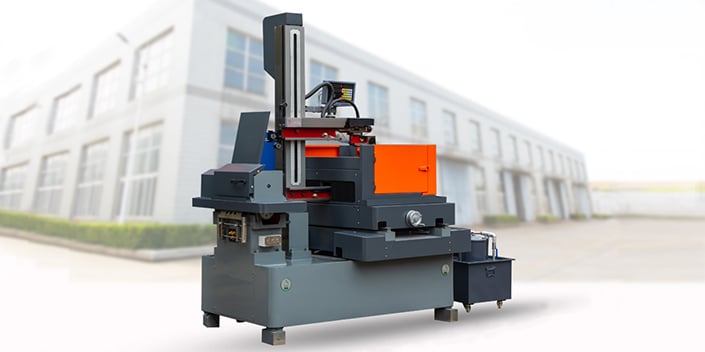
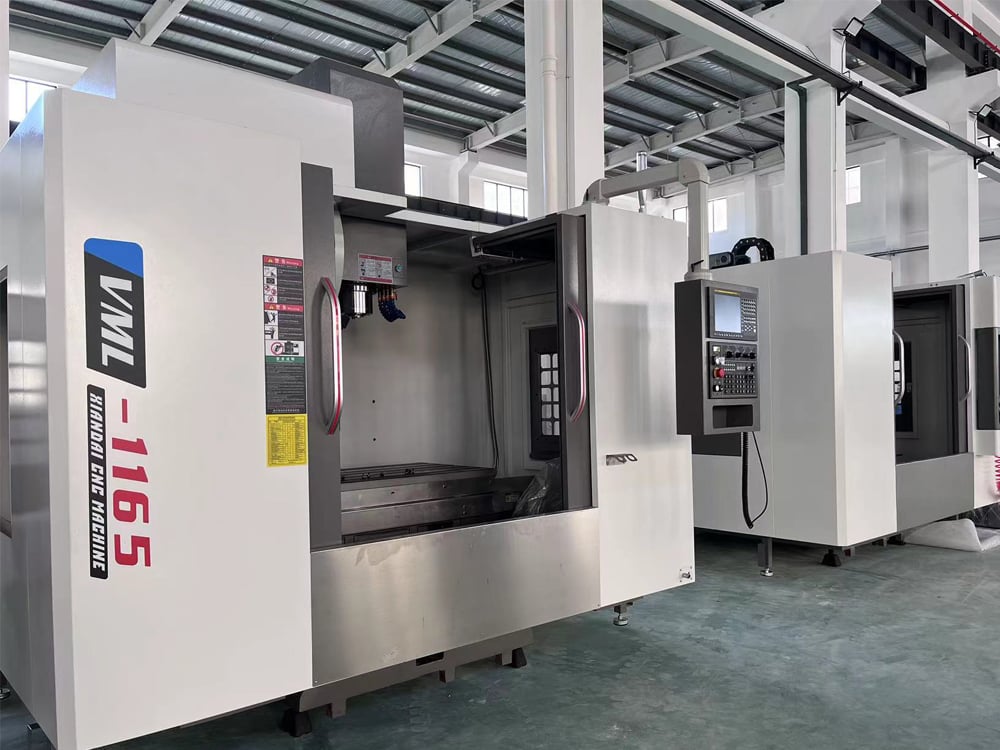
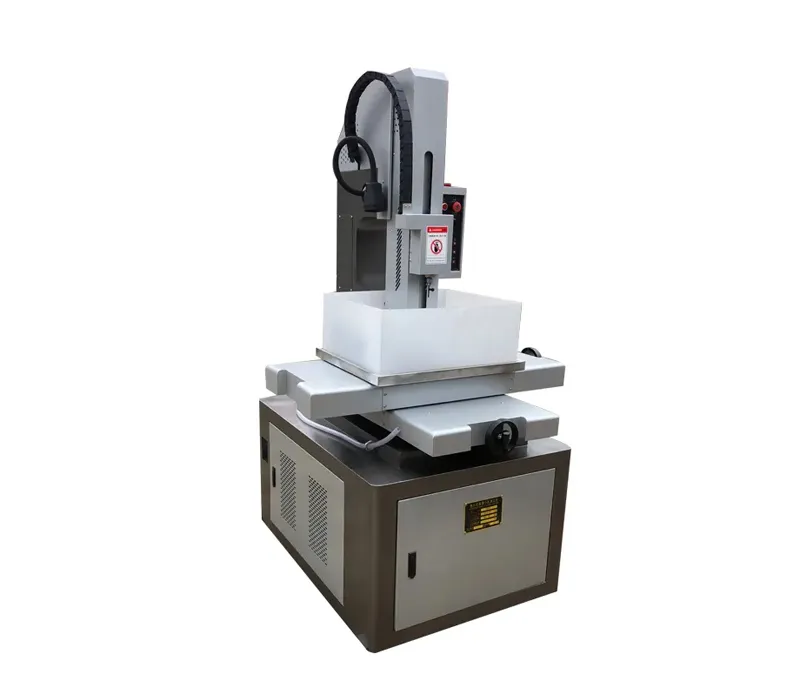
Accurate pulse parameter adjustment is based on stable and high-precision edm machine hardware performance. Parameter optimization techniques can only exert maximum value when matched with equipment with precise digital control systems, rigid transmission structures and stable discharge systems. As a professional manufacturing brand with more than 20 years of industry experience in metal processing equipment, CHUANG YUAN focuses on the R&D, production and customization of high-performance edm machine, CNC machining center and deep hole processing equipment.
All CHUANG YUAN edm machine products adopt high-precision ball screw and rigid guide rail configuration, equipped with intelligent digital pulse control system, which supports fine-grained pulse parameter adjustment and stable spark discharge output. The brand has long provided one-stop solutions including equipment customization, technical training, on-site installation and trial processing for manufacturing enterprises in more than 20 countries. With mature manufacturing supply chain and professional technical service capabilities, CHUANG YUAN ensures that every piece of equipment can maintain consistent high-precision processing performance in long-term batch production, helping global users effectively improve workpiece surface finish and reduce production costs.
Table of Contents
- The Core Link Between Pulse Parameters and EDM Workpiece Surface Quality
- Practical Adjustment of Pulse On-Time for Refined Surface Machining
- Rational Configuration of Pulse Off-Time to Eliminate Processing Defects
- Peak Current Tuning Logic for High-Precision Finishing Scenarios
- Collaborative Matching of Multiple Pulse Parameters for Optimal Machining Performance
- Reliable EDM Equipment Support for Stable High-Quality Processing