EN
EN
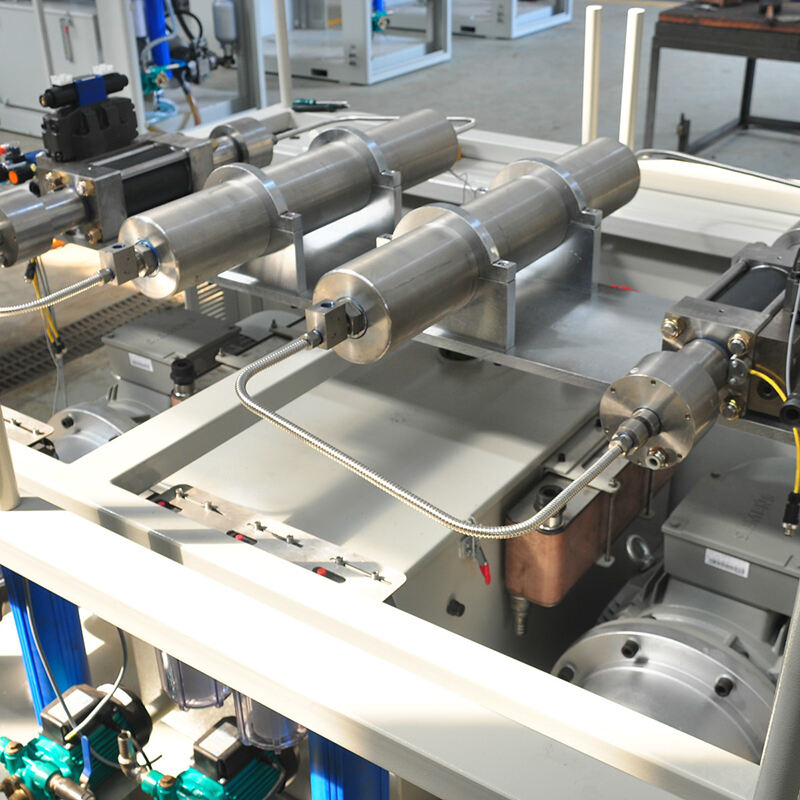
How Waterjet Cutting Works as a Non-Thermal Process
What Is Waterjet Cutting and How It Works as a Non-Thermal Process
Waterjet cutting works by shooting water at incredibly high pressure (around 90,000 psi) straight through materials without creating any heat in the process. When used in its basic form, the system depends purely on kinetic energy, which makes it great for cutting softer stuff like rubber, foam, and even food items. But when dealing with tougher materials such as metal or ceramic, something extra gets added to the mix. Typically, they throw in some abrasive particles, usually garnet, which boosts the cutting strength substantially. The best part? Temperatures stay pretty low during this whole operation, generally under 150 degrees Fahrenheit. Because there's no real heat involved, this cold cutting approach stops things from warping or changing shape. Materials stay intact and there are no messy heat affected areas to worry about, so what comes out at the end is just a clean, accurate cut every time.
The Science Behind Cold Cutting Without Heat-Affected Zones
Waterjet cutting works by wearing away material mechanically instead of using heat. The system forces water under high pressure through a very small nozzle, which creates a powerful stream capable of removing material down to the molecular level through sheer force and abrasive action. What makes this technique remarkable is its ability to achieve incredibly tight tolerances around plus or minus 0.005 inches while keeping the material's original hardness and structural integrity intact. Since there's no application of heat involved, materials such as those used in aircraft construction and specialized medical devices retain all their original properties. This matters a lot in certain industries where even the smallest temperature fluctuations during processing might compromise product quality or safety standards.
Comparison of Thermal vs. Non-Thermal Cutting Methods
| Factor | Thermal Methods (Laser/Plasma) | Waterjet Cutting |
|---|---|---|
| Heat Input | 2,000°F–30,000°F | <150°F (no HAZ) |
| Material Impact | Warping, hardening, oxidation | No structural or chemical changes |
| Versatility | Limited to conductive/metallic materials | Cuts 500+ materials, including glass |
| Precision | ±0.010 inches | ±0.005 inches |
While thermal methods offer speed advantages for thin conductive metals, waterjet cutting excels in precision, versatility, and compatibility with heat-sensitive materials.
Key Advantages of Using a Waterjet Cutting Machine
Precision, Flexibility, and Efficiency in Material Processing
Waterjet systems controlled by CNC technology can maintain around 0.1 mm tolerance levels and handle all sorts of materials without needing to swap tools. Think about cutting through 12mm thick steel one moment and then moving on to 3mm acrylic the next. The system just keeps going at impressive speeds too, sometimes reaching as high as 1200 inches per minute. Because of these features, waterjets are becoming increasingly popular for making complicated parts that combine different materials. Many aerospace companies rely on them for intricate components where traditional methods would struggle to keep up with such varied requirements.
Preservation of Material Integrity with No Heat-Affected Zones (HAZ)
By combining ultrahigh-pressure water (60,000–94,000 PSI) with garnet abrasives, waterjet systems avoid thermal distortion entirely. Industry analyses show that waterjet-cut titanium retains 99.8% of its original tensile strength, compared to 89–92% when cut with lasers–making it essential for critical applications like medical implants.
Eco-Friendly Operation and Minimal Waste Generation
Closed-loop filtration systems recycle 85–90% of process water, reducing environmental impact. The narrow kerf width (as small as 0.8mm) minimizes material waste by 30–40% compared to plasma cutting. Garnet abrasives can be reused 12–15 times, and spent media are non-toxic and safe for disposal.
Low Maintenance and Long-Term Cost Savings
Without laser optics or plasma electrodes to replace, waterjet systems have 60% lower consumable costs than thermal alternatives. Automated abrasive metering supports continuous 24/7 operation with less than one hour of maintenance per week. Automotive manufacturers report up to 22% lower per-part costs over five years due to reduced rework and downtime.
Material Versatility: What Can a Waterjet Cutting Machine Cut?
Types of material a waterjet can cut with and without abrasive
Waterjet cutting machines work in basically two different ways. The first method uses just plain water at incredibly high pressure (around 60,000 pounds per square inch) to slice through softer stuff like rubber, foam materials, even certain food items while keeping their delicate internal structures intact. When mixed with abrasive garnet particles though, these same waterjets become powerful enough to tackle much tougher jobs. They can cut right through stainless steel plates as thick as 8 inches, handle titanium alloys that are harder than 160 HB on the Brinell scale, and manage ceramics that resist compression forces well beyond 30,000 psi. The versatility of this technology makes it valuable across numerous industrial applications where precision matters most.
Cutting metals, composites, rubber, and ceramics with precision
Waterjet cutting doesn't generate heat, so it keeps tolerances within about 0.005 inches when working on aluminum parts for airplanes and stops thick carbon steel from warping during processing. For carbon fiber reinforced polymer composites, there's no risk of layers separating, which is a big plus in aerospace applications. Technical ceramics stay structurally sound at the microscopic level, making them suitable for semiconductors where purity matters. When manufacturing rubber gaskets, the process achieves around 0.1 mm precision, something manufacturers really appreciate. Advanced ceramics get those clean, chip-free edges that industrial seal makers need for proper function and longevity in harsh environments.
Processing glass, tile, stone, and other brittle materials
Unlike laser systems which often cause thermal stress fractures, waterjet cutting works great for materials like tempered glass, alumina substrates, and those tricky laminated panels without damaging them. Stone workers can make really detailed marble inlays that look almost polished, while tile makers get to design all sorts of complicated porcelain patterns without worrying about surface pits ruining their work. What's interesting is how this technique actually maintains important electrical properties in ceramic materials and keeps architectural glass structurally sound even after cutting. Many shops have switched to waterjets specifically for these reasons, finding they get better results with less material waste compared to traditional methods.
Case study: Multi-material fabrication in aerospace components
A leading aerospace supplier successfully cut seven-layer stacks of titanium (0.5"), CFRP composites, and rubber vibration dampers in a single pass. Achieving 0.15 mm positional accuracy across dissimilar materials, the process eliminated thermal distortion risks and reduced post-processing labor by 60% and material waste by 32% compared to conventional machining.
Industrial Applications of Waterjet Cutting Across Sectors
Applications in Metal Fabrication and Automotive Manufacturing
Waterjet cutting keeps metals like steel, aluminum, and titanium intact during fabrication processes. Car makers rely on this technique for making things like engine parts, frame components, and those special gaskets because there's no warping from heat damage. What makes waterjets really stand out is their ability to work with different materials together in EV production. Think about slicing through copper battery connections right next to plastic insulation layers without messing anything up. A recent industry study from 2023 showed something interesting too. Around three quarters of auto factories that switched to waterjet systems saw about a fifth less money spent on fixing mistakes compared to when they used traditional heating methods.
Precision Cutting in Electronics and Medical Device Production
Waterjet technology can produce incredibly tight tolerances below 0.1mm when working with materials like circuit board substrates and microfluidic devices. Within the medical field, these jets are shaping everything from stainless steel surgical instruments to biocompatible polymer implants. A study in the Journal of Medical Engineering back in 2022 showed something interesting too waterjet cut orthopedic implants actually had around 40 percent less stress points compared to thermal cutting methods. Beyond that, manufacturers rely on this technique for cleanroom compatible cuts of silicone membranes as well as components needed for radiation shielding applications across various industries.
Architectural Uses: Glass, Tile, and Stone Shaping
Waterjet cutting has become a go-to method for architects and designers wanting to create intricate designs on materials like marble countertops, textured glass walls, and porcelain mosaic installations. These systems actually work better than traditional saws because they leave behind clean edges without chips or cracks. According to recent masonry reports from 2023, about 99 out of 100 decorative stone projects end up successful when using this technique. What makes waterjets really special is how they allow for custom work at scale. Contractors can now produce unique terrazzo floors and even complex structural cladding where pieces fit together perfectly thanks to cuts accurate within just 0.25 millimeters either way. This level of precision opens up all sorts of creative possibilities in modern building projects.
Achieving Superior Edge Quality and Accuracy with CNC-Integrated Waterjet Systems
Modern waterjet systems achieve sub-millimeter accuracy through advanced CNC integration, maintaining tolerances as tight as ±0.003 inches–essential for aerospace and medical manufacturing. This level of precision reduces rework and ensures compliance with stringent industry standards.
Precision and Accuracy in Waterjet Cutting: Sub-Millimeter Tolerances
CNC-guided waterjets deliver positional accuracy up to 0.001 inches, surpassing traditional thermal methods. The absence of heat ensures dimensional stability across metals, composites, and ceramics, enabling repeatable, high-fidelity cuts for complex geometries.
Superior Edge Quality Without Burrs or Warping
Edge finishes as fine as 0.8 µm Ra are achievable, meeting strict requirements in aerospace and medical fields. Because the process introduces no thermal or mechanical stress, brittle materials like glass and carbon fiber laminates remain free of micro-cracks and burrs.
Integration with CNC Systems for Enhanced Control and Automation
Five-axis CNC systems allow angled cuts up to 60° while maintaining kerf consistency. Automated path optimization reduces setup time by 35%, and real-time pressure adjustments compensate for variations in material thickness, improving cut quality and efficiency.
Optimizing Nozzle Design and Pressure Settings for Peak Performance
Diamond-coated nozzles operating at 60,000–90,000 PSI last up to three times longer than standard nozzles while maintaining stream coherence. Adaptive pressure controls adjust flow rates within ±1.5% accuracy, preventing undercutting in layered materials such as titanium-aluminum hybrids and ensuring consistent results across diverse substrates.
FAQ Section
What is the main advantage of waterjet cutting over thermal methods?
The main advantage of waterjet cutting over thermal methods is its ability to cut precisely without introducing heat, thereby avoiding warping or altering the material's structural integrity.
How does waterjet cutting preserve material integrity?
Waterjet cutting preserves material integrity by operating without heat input, thus preventing any structural or chemical changes in the materials being processed.
Can waterjet machines cut through thick materials?
Yes, waterjet machines can cut through thick materials, including stainless steel plates up to 8 inches thick, utilizing abrasive garnet particles to enhance cutting strength.
Are waterjet cutting systems environmentally friendly?
Waterjet cutting systems are eco-friendly, utilizing closed-loop filtration systems to recycle 85–90% of process water and producing minimal waste compared to other cutting methods.
Is waterjet cutting suitable for precision industries such as aerospace?
Waterjet cutting is highly suitable for precision industries such as aerospace, offering tight tolerances and maintaining the integrity of materials that are sensitive to heat.
Table of Contents
- How Waterjet Cutting Works as a Non-Thermal Process
- Key Advantages of Using a Waterjet Cutting Machine
- Material Versatility: What Can a Waterjet Cutting Machine Cut?
- Industrial Applications of Waterjet Cutting Across Sectors
- Achieving Superior Edge Quality and Accuracy with CNC-Integrated Waterjet Systems
-
FAQ Section
- What is the main advantage of waterjet cutting over thermal methods?
- How does waterjet cutting preserve material integrity?
- Can waterjet machines cut through thick materials?
- Are waterjet cutting systems environmentally friendly?
- Is waterjet cutting suitable for precision industries such as aerospace?