EN
EN

The Evolution of Jewelry Manufacturing: How EDM Machines Enable Digital Precision
From Traditional Craftsmanship to Digital Machining with EDM
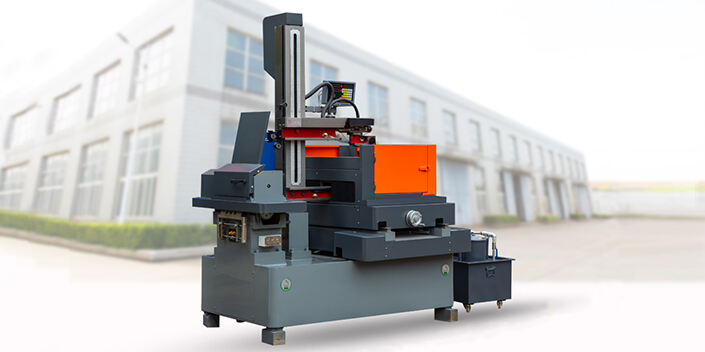
Back in the day, jewelers worked mostly by hand with basic tools such as chisels and wax models, which meant designs were pretty much limited by what someone could physically create. Today things are different thanks to Electrical Discharge Machining or EDM for short. This technology can achieve around 0.02 millimeter accuracy, way beyond what any human hands could manage. Designers no longer need to spend hours carving details manually. Instead they take their computer drawings and turn them into beautiful platinum filigree work or tiny engraved patterns on gold pieces. The shift to digital methods has really changed the game in high end jewelry making. Art meets science in ways we never thought possible before, letting creators push boundaries while still maintaining exceptional quality standards.
How EDM Enables Non-Contact Machining for Intricate Metalwork
The spark erosion method used in EDM cuts out direct contact between tools and materials entirely, which means no deformation happens to those tricky delicate pieces like thin wall rings or chain pendants. Mechanical cutters just can't match this precision. Wire EDM works with incredibly fine electrodes sometimes as small as 0.1mm to slice through titanium for gemstone settings without creating those pesky micro fractures that ruin designs. Some folks actually did a survey across 50 different jewelry workshops and discovered something pretty impressive EDM brought down scrap rates by around two thirds compared to regular rotary tools when working with 18K gold alloys. Makes sense why so many jewelers are switching over these days. Less waste means better bottom line and happier customers getting flawless finished products.
Case Study: EDM Integration in High-End Jewelry Studios
Bridgeton Atelier slashed production time for their signature lattice bracelets from 48 hours to just 9 after adopting sinker EDM for cavity detailing. Artisans now focus on stone setting and finishing, while EDM precisely machines geometric patterns under 0.5 mm in 950 platinumâensuring consistency and freeing skilled labor for higher-value tasks.
Trend: Rising Adoption of EDM for Cutting Precious and Conductive Metals
Over 72% of jewelry manufacturers now use EDM for palladium and stainless steel hybrids (2024 Goldsmithing Survey), driven by demand for mixed-metal designs. Leading CNC-EDM hybrids achieve kerf cuts in zirconium up to 10X faster than laser systems, all while preserving heat-sensitive gem inlays during fabrication.
Unmatched Accuracy: Understanding EDM Wire Cutting Tolerances and Surface Finish
Achieving Tolerances as Fine as 0.02 mm in Jewelry Components
EDM machines today can achieve incredible dimensional accuracy around ±0.002 mm when operating in properly controlled environments. This opens up possibilities for creating tiny details like jewelry prongs and intricate engravings that would be impossible otherwise. The secret behind this precision lies in advanced temperature controls that keep variations within about ±1°C, along with special bases designed to absorb vibrations. These features work together to minimize issues caused by heat changes and mechanical movement. Take a look at those fancy tapered pendants with complex interlocking parts - they often have uniform gaps measuring roughly 0.02 mm throughout. Traditional milling techniques simply cannot match this kind of consistency, making EDM the go-to choice for high-end manufacturing applications where minute tolerances matter most.
Selecting the Right Wire Thickness for Delicate and Complex Designs
Wire diameter plays a critical role in balancing precision and efficiency:
- 0.1â0.3 mm brass wires: Best for general-purpose cuts in rings and chains
- 0.02â0.1 mm tungsten wires: Ideal for micro-cutting filigree and lace-like textures
Thinner wires reduce kerf width by 60%, conserving expensive platinum alloys valued at $740/oz. However, they require slower cutting speeds, which experienced operators optimize using adaptive pulse frequency controls to maintain throughput without sacrificing detail.
Balancing Surface Smoothness and Detail in EDM-Machined Jewelry
Electrical discharge machining typically delivers surface finishes ranging around 0.15 to 0.2 microns Ra, which means many jewelers skip the extra step of polishing inside those tricky pendant channels or clasp areas altogether. When working with EDM equipment, changing the peak current settings between roughly 2 and 6 amps lets craftsmen decide what matters most at any given moment. Higher currents create intricate details but leave behind rougher surfaces, whereas lower currents produce smoother results at the expense of finer features. Some studies indicate that cutting down on pulse duration from about 50 microseconds to just 10 microseconds actually reduces surface roughness by nearly 40 percent without sacrificing much in terms of dimensional accuracy, usually staying within plus or minus 0.005 millimeters for delicate scrollwork patterns. This kind of flexibility gives jewelry makers real control over both how their pieces look and function when worn.
Creating Complex Jewelry Designs with Wire-Cut and Sinker EDM Technology
Wire-Cut EDM for Micro-Precision Parts and Intricate Patterns
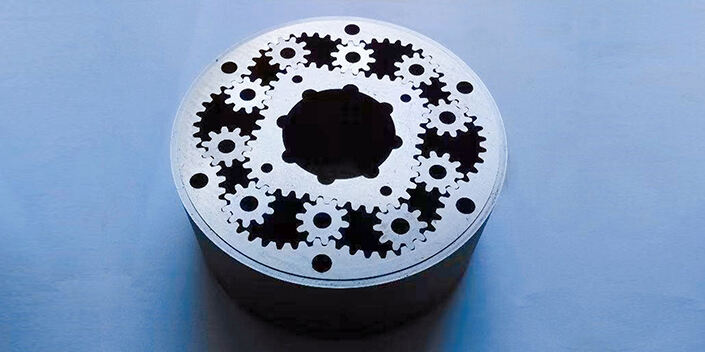
Wire cut EDM works by feeding a thin brass or copper wire (about 0.05 to 0.35 mm thick) through the workpiece to remove material without any physical contact. This technique is really good for making parts that need extremely tight tolerances, sometimes down to plus or minus 0.001 mm. Think intricate jewelry designs, tiny prongs for watches, or those delicate lattice structures used in aerospace components. Since there's absolutely no pressure from tools during cutting, even the most fragile details in precious metals like gold and platinum stay perfectly intact. Industry data shows these machines can produce surfaces as smooth as Ra 0.8 microns, which means workshops spend around 40% less time polishing complicated shapes after machining. Many jewelers and medical device manufacturers have switched to this method precisely because of these advantages.
Sinker EDM for Detailed Cavities, Textures, and Three-Dimensional Forms
The sinker EDM process works by using specially shaped graphite electrodes to create those really deep cavities, intricate textures, and complex 3D reliefs that regular cutting tools just can't reach. Jewelers love this technique for things like detailed pendant engravings, fancy textured signet rings, and complicated multi-level gemstone settings where precision matters most. According to various industry reports, manufacturers are seeing around a 60% drop in production time when making textured surfaces compared to old school hand engraving methods. Plus, they get consistent results within about 0.02 mm tolerance between different production runs. What makes sinker EDM truly valuable is how well it copies master designs, which means every piece in a limited edition collection looks exactly the same as the others despite being made individually.
Design Freedom vs. Material Integrity: Managing Complexity in Thin Structures
EDM gives designers amazing flexibility, but keeping things structurally sound remains a challenge. Take wire-cut EDM for instance it can cut platinum bands as thin as 0.1 mm, yet if the spark gap isn't set right, tiny fractures might form where stress builds up. The best workshops tackle this problem through repeated CAM simulations alongside gentle EDM passes and regular annealing treatments. These methods help maintain strength in intricate designs. According to some recent studies from 2024 on metal properties, this combination cuts down warping issues in sensitive parts by around 35% compared to traditional approaches.
Material Advantages: Precision Machining of Gold, Silver, and Platinum Alloys
Why EDM Excels in Machining Hard and Precious Conductive Metals
Electric discharge machining works by using the conductive properties of precious metals such as gold, silver, and platinum. The process creates tiny sparks that wear away material where traditional cutting tools simply can't handle harder alloys over about 45 HRC hardness rating. According to the Materials Performance Report from last year, this technique hits around plus or minus 0.01 mm precision when working on 18 karat gold parts. That kind of fine control makes all the difference when crafting detailed engraving work or setting delicate gemstone prongs. What really matters though is how EDM doesn't cause unwanted softening through heat exposure. This means metals sensitive to temperature changes, like Argentium silver, stay exactly as they should be during processing without losing their structural integrity.
Non-Contact Process Eliminates Tool Wear and Distortion
Standard milling tools wear out fast when working with platinum materials, sometimes requiring new bits after just 8 to 10 pieces are processed. The EDM approach works differently though its non-contact method keeps accuracy intact for hundreds of operations according to a recent study from Advanced Manufacturing in 2023. Since there's absolutely no physical contact during the process, delicate items like those ultra thin 0.3 mm gold chain links or intricate pave settings stay perfectly shaped without any warping issues. Industry insiders have noticed around a third reduction in wasted material compared to traditional CNC machining techniques. This comes down to much smaller cut losses and better preservation of expensive metals throughout production runs, which translates into real money saved on raw materials for jewelry makers who switch to this technology.
CAD/CAM and EDM Synergy: Streamlining Custom Jewelry Production
Integrating CAD/CAM for Seamless Design-to-Manufacturing Workflow
Many jewelry workshops have started using CAD and CAM technologies these days to turn those fancy 3D designs right into instructions that work with EDM machines. What makes this approach so good is how it keeps all those tiny details intact during production. Think about delicate filigree work or the precise shape of prongs on rings – nothing gets lost in translation anymore. The CAM software does some serious optimization behind the scenes too. It figures out the best path for wires and adjusts spark settings properly, which cuts down on wasted materials by around 30 percent compared to when people do it manually. And let's not forget about automated checks and generating toolpaths automatically. These features mean most projects actually work on the first try over 90% of the time, something that used to take weeks but can now be done within just a few days at most.
From 3D Model to Finished Piece: Efficiency Gains in Modern Studios
Leading jewelry manufacturers can now finish entire production cycles within just three days, which represents around a two thirds reduction compared to older methods. They achieve this by integrating computer aided design simulations alongside electrical discharge machining techniques. The systems detect potential collisions as they happen and model how sparks will erode materials, cutting down on expensive test pieces. Automated fine tuning keeps measurements accurate to within 0.01 millimeters even when making thousands of identical items. Such tight control makes it possible to craft gemstone mounts smaller than a single millimeter in platinum alloys, something that maintains not only aesthetic appeal but also stands up well to everyday wear and tear.
Enabling Mass Customization and One-of-a-Kind Designs with EDM
When CAD/CAM systems work together with EDM technology, they completely change how scalable custom jewelry production becomes. Take one small atelier for example—they manage to craft around 200 personalized signet rings every week, each ring carrying its own special engraving details, yet still hitting those incredibly tight tolerances we associate with aerospace manufacturing. According to recent market research, roughly three out of four luxury customers these days want some kind of customization option built into their purchase. That's where EDM really shines, offering that digital flexibility needed to keep up with changing demands. For independent jewelers, this means switching effortlessly from making single custom orders to producing small batches of similar designs without compromising on quality standards throughout the entire run.
FAQ
What is EDM in Jewelry Manufacturing?
Electrical Discharge Machining (EDM) is a technology used in jewelry manufacturing that utilizes electric sparks to remove material from metal workpieces, allowing for precision cutting and non-contact machining.
Why do Jewelers Prefer EDM over Traditional Methods?
EDM offers unmatched precision, reduces material waste, prevents deformation of delicate pieces, and achieves intricate designs that traditional mechanical cutting tools cannot.
Can EDM Work with All Metal Types?
EDM is particularly effective for precious and conductive metals like gold, silver, and platinum, but it can also be used for hard metals and complex alloys.
How does EDM Impact Jewelry Design?
EDM enables designers to push creative boundaries by allowing intricate, precision machining. It facilitates complex designs with consistent quality and tighter tolerances.
What is the Role of CAD/CAM in EDM Jewelry Manufacturing?
CAD/CAM technologies integrate with EDM machines to streamline the design-to-manufacturing workflow, ensuring detailed designs are translated precisely into finished products.
Table of Contents
- The Evolution of Jewelry Manufacturing: How EDM Machines Enable Digital Precision
- Unmatched Accuracy: Understanding EDM Wire Cutting Tolerances and Surface Finish
- Creating Complex Jewelry Designs with Wire-Cut and Sinker EDM Technology
- Material Advantages: Precision Machining of Gold, Silver, and Platinum Alloys
- CAD/CAM and EDM Synergy: Streamlining Custom Jewelry Production
- FAQ