EN
EN

How EDM Drilling Machines Redefine Precision and Control
What Is an EDM Drilling Machine and How Does It Work?
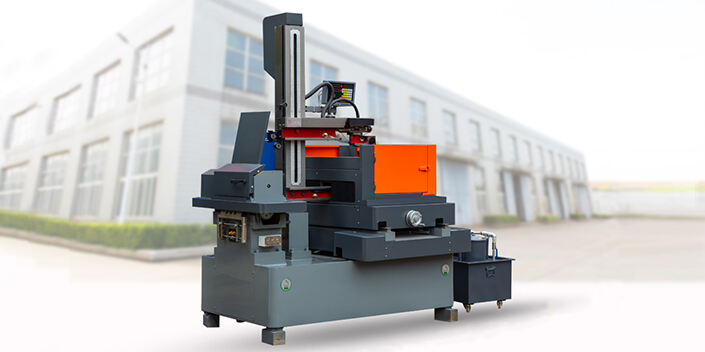
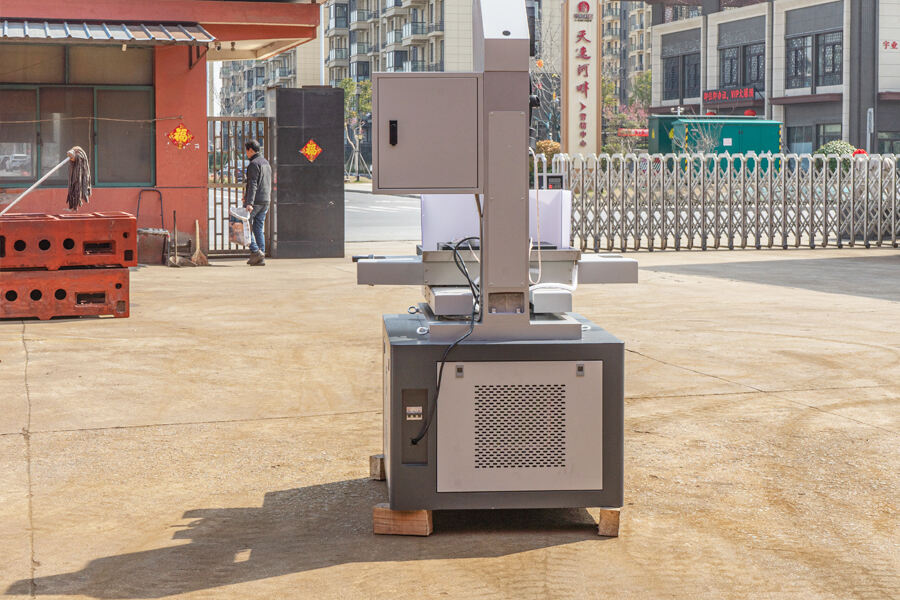
EDM drilling machines work by creating tiny electrical sparks between a spinning electrode and metal parts that are sitting in special fluid called dielectric. The big difference from regular drills is that there's no actual touching going on here. What happens instead is that these machines fire off thousands of little sparks every second which basically melt away tiny bits of material. Because it doesn't involve physical contact at all, this method can create incredibly small holes measuring just 0.1 millimeters across with extremely tight tolerances below plus or minus 2 microns. Even better? It works great on really tough metals that would normally be difficult to drill into. That's why so many manufacturers in fields like aerospace engineering, medical device production, and electronic component manufacturing rely on EDM technology when they need those super precise results.
The Thermal-Based Material Removal Process Behind EDM Drilling
EDM drilling works by creating carefully controlled electrical sparks that can reach temperatures over 12,000 degrees Celsius, which quickly melts and turns material into vapor. A special dielectric fluid surrounds the work area, helping to cool things down, wash away any bits left behind, and stop unwanted electrical arcs from forming. Since this method relies on heat instead of physical force, there's no risk of putting stress on the material or causing it to warp. Take turbine blade manufacturing as a case in point. When making those tiny cooling channels inside turbine blades, EDM drilling removes the heat affected areas that might otherwise weaken the blade structure. This means important parts keep performing at their best even under extreme conditions.
Absence of Physical Contact Forces in EDM Drilling
Old school drilling relies on brute mechanical force, which often causes tools to bend when working with thin stuff and wears down quickly when tackling tough alloys. EDM takes a different approach altogether since it doesn't physically touch the material being worked on. That means no pressure points getting messed up, so things like those super thin medical grade titanium sheets can be machined precisely without warping or bending out of shape. Studies have shown something like an almost complete elimination of tool vibration problems compared to regular drilling techniques. The end result? Much better surfaces and parts that measure consistently across the board, which matters a lot in industries where precision counts.
Advancements in Digital Generator Technology for Improved Spark Control
Today's EDM systems come equipped with smart digital generators capable of tweaking spark frequency, duration, and power levels as they go along. The intelligent pulse shaping technology helps cut down electrode wear by around 40 percent and can actually double how fast we machine those really deep holes where the aspect ratio goes beyond 50 to 1. What makes these systems stand out is their ability to fine tune settings automatically depending on what kind of material they're working with and how deep into it they need to go. As a result, surfaces get finished so smoothly sometimes reaching under Ra 0.2 microns that there's often no need for any additional polishing work afterwards.
Fundamental Contrast Between EDM and Conventional Mechanical Drilling
EDM drilling works differently from regular cutting methods because it uses electrical sparks instead of physical force to cut through materials. There's no actual touching between the tool and what's being worked on. Because of this basic difference, EDM can handle tough stuff like hardened steel, titanium, even some types of ceramics without causing those annoying surface cracks or creating those heat damaged areas that happen so often with traditional drilling techniques. Mechanical bits tend to wear down over time, but EDM electrodes stay pretty much the same shape after many uses. This means less time spent stopping production for tool changes and generally more dependable results when manufacturing parts.
Reduced Material Stress and Elimination of Tool Chatter in EDM
EDM drilling works without applying any mechanical force, so it basically eliminates tool chatter which often leads to those tiny cracks and hidden damage in delicate metal alloys. When working with nickel based superalloys commonly found in jet engine parts, studies show that EDM can cut down on leftover stress by somewhere around 70% when compared against traditional methods. Another big plus is that since there's no bending or stretching happening during the process, important properties like how well turbine blades or medical implants withstand repeated stress stay exactly as they should be over time.
No Mechanical Deformation: Preserving Integrity of Hard and Thin Materials
EDM creates clean, burr free holes even in materials just 0.2 mm thick, which is why many manufacturers rely on this technique for components like fuel injector nozzles and those tiny parts used in microfluidic systems. Regular drilling techniques tend to warp materials that are sensitive to heat, such as Inconel 718 or certain titanium alloys, but EDM works differently by using controlled electrical discharges instead of physical contact. The process can handle incredibly deep holes with aspect ratios over 20 to 1 while keeping position accuracy within about plus or minus 2 micrometers. This level of control makes all the difference when manufacturing complex parts where even small deviations could lead to serious performance issues down the line.
Core Advantages of EDM Drilling: Precision, Surface Quality, and Material Versatility
Achieving Sub-Micron Precision with EDM Drilling Machines
EDM drilling gets down to around plus or minus 1 micrometer accuracy using those controlled sparks instead of traditional tools that tend to bend when drilling. The trick is keeping that tiny spark gap between 10 and 30 micrometers steady throughout the operation. This lets manufacturers get consistently sized holes even in super hard materials over 60 HRC rating. Modern CNC machines actually adjust on their own as the electrodes start wearing down during long production runs. Some shops can run batches of 500 holes or more without needing someone to step in and tweak things manually, which saves both time and money in the long run.
Minimal Material Damage and Burr-Free Holes in High-Strength Alloys
EDM works without touching the material directly, so it doesn't cause work hardening or those tiny cracks we see in tough metals like Inconel 718 and Ti-6Al-4V. Regular drilling methods tend to leave behind heat damaged areas about 50 microns thick, but EDM keeps these damage zones under 5 microns instead. Research from last year in the International Journal of Advanced Manufacturing Tech showed something interesting too. When they tested EDM on martensitic stainless steel, nearly all (about 98%) of the drilled holes came out completely smooth without any burrs. That's way better than traditional twist drills which only managed around 72% burr free results according to the same tests.
Drilling Superhard Conductive Materials Like Titanium and Hardened Steel
EDM effectively machines materials up to 68 HRC, including tungsten carbide, cobalt-chrome dental alloys, and D2 tool steel (60-62 HRC). It maintains a straightness tolerance of 0.025 mm/mm in deep-hole drilling, which is crucial for orthopedic implants and mold cooling channels where alignment directly affects functionality and longevity.
Precision EDM Drilling for Small and Deep Holes in Critical Components
EDM systems today can create incredibly tiny holes measuring around 0.15 mm in diameter, sometimes with aspect ratios going up to 20:1 when working with those tough superalloys found in turbine blades. When it comes to making fuel injector nozzles, these machines manage to punch out holes about 0.3 mm wide that go down nearly 50 mm deep, leaving behind surfaces so smooth they measure around Ra 0.8 microns roughness. A recent look at aerospace parts from 2022 showed something interesting EDM drilling actually worked about 40 percent quicker than laser methods on 1.2709 steel material, plus the edges came out looking much better too.
Industrial Applications of EDM Drilling in Aerospace, Medical, and Electronics
Cooling Holes in Turbine Blades and Engine Components (Aerospace)
EDM drilling has become the go-to method for making those tiny cooling holes in turbine blades and other engine parts, sometimes as small as half a millimeter across. The microscopic channels let coolant pass through tough materials such as Inconel and various titanium grades, which keeps jet engines running without overheating even when pushed to their limits. What makes this technique so valuable is how it prevents those pesky stress fractures and micro cracks that can form during regular machining processes. This means critical aircraft components maintain their strength and reliability, something that's absolutely necessary for passing all those strict FAA and EASA safety checks across the aviation industry.
Micro-EDM Drilling for Medical Devices and Implants
Micro EDM drilling has become really important in medicine for making those clean, burr free holes needed in things like implants and surgical tools. Take titanium knee replacements for instance they actually need these super tiny 0.2mm channels so the bone can grow into them properly. And when it comes to heart stents, the openings have got to be absolutely smooth otherwise there's a risk of blood clots forming. What makes this technique stand out is that it doesn't involve direct contact during machining, which means no chance of contaminating delicate materials. This matters a lot because medical device manufacturers must follow strict FDA guidelines when creating products that go inside people's bodies.
High-Density Via Holes in Electronics Using Precision EDM
EDM technology is becoming essential for creating those tiny via holes on advanced circuit boards used in 5G devices and IoT sensors. These holes can be as small as 20 microns while keeping the copper layers intact during drilling. What really stands out about EDM is how it creates smooth sidewalls through thermal erosion. The Electronics Manufacturing Report from last year showed these smooth walls cut down signal loss by around 37% when compared to what we get with laser drilling methods. Because of this performance advantage, many manufacturers now turn to EDM when they need reliable electronic packaging solutions where electrical interference must stay at a minimum level.
Complex Hole Geometries in Safety-Critical and High-Performance Parts
EDM drilling makes it possible to create really complex hole shapes like tapered ones, helical patterns, and those that need multiple axis movements even in super hard materials. Take turbochargers for example they often need something crazy like 200+ angled cooling channels all positioned within plus or minus 5 microns. That kind of detail work simply cant be done using regular machining methods. The ability to achieve such fine details has opened up new possibilities across different industries. We see this in aerospace actuator design, automotive anti lock braking systems, and even sensors used in nuclear reactors. When talking about these critical applications, getting the measurements right isn't just about performance anymore it literally affects whether systems stay safe or fail catastrophically.
Overcoming Challenges and Future Advancements in EDM Drilling Technology
Despite its advantages, EDM drilling faces challenges such as electrode wear, which can reduce machining accuracy by 15-30% in high-volume production. However, modern systems integrate real-time monitoring and adaptive controls to mitigate these issues and enhance long-term repeatability.
Managing Electrode Wear and Its Impact on Machining Accuracy
Spark erosion keeps wearing down electrodes over time, changing their shape and size which can mess with hole dimensions during deep drilling operations. Modern EDM equipment fights back against this issue by incorporating smart toolpath algorithms that tweak feed rates and discharge settings on the fly. What makes these systems stand out is their ability to hold tight tolerances around +/- 2 microns for well over 50 hours of continuous running, something that matters a lot when producing parts in volume for industrial applications where consistency between batches is critical.
Key Performance Metrics: MRR, TWR, Surface Finish, and Overcut
Four core metrics define EDM drilling performance:
- Material Removal Rate (MRR): Ranges from 0.5–8 mm³/min depending on material conductivity
- Tool Wear Ratio (TWR): Optimized to below 3% in modern dielectric fluid systems
- Surface Finish: Delivers Ra 0.1–0.4 µm, often eliminating post-processing
- Overcut Control: Minimized to 5–15 µm through pulsed power supply innovations
Intelligent Power Systems and AI-Driven Adaptive Control in Modern EDM
Research published in the International Journal of Lightweight Materials and Manufacture back in 2025 showed something pretty interesting about AI controlled systems for EDM processes. These smart systems can actually track spark patterns at an incredible rate of 50 thousand samples every second, making split second adjustments to both the length and power of each discharge. What does this mean practically? Well, material gets removed about 22 percent faster compared to traditional methods, and there's less wear on those expensive electrodes too. The real magic happens when materials aren't perfectly uniform or tools start showing signs of wear. Instead of waiting for problems to develop, these advanced systems pick up on changes almost immediately, which has really transformed what we can achieve with EDM drilling today. Manufacturers are seeing unprecedented combinations of automated operation, work done more efficiently, and parts made with much greater accuracy than before.
Future Directions and Technological Innovations in EDM
The EDM drilling technology revolution continues with emerging innovations in adaptive power systems, smart toolpath adjustments, and real-time monitoring. These advancements pave the way for superior accuracy, minimal electrode wear, and ultimate precision in high-volume production.
FAQ
What is EDM drilling and how does it work?
EDM drilling uses electrical sparks to melt and vaporize material in a controlled manner, creating precise holes without physical contact. A dielectric fluid aids in cooling and prevents unwanted electrical arcs.
What makes EDM drilling different from traditional drilling methods?
Unlike traditional drilling, EDM does not use physical force, thus avoiding direct contact with materials, minimizing tool wear and maintaining tight tolerances.
Which industries commonly use EDM drilling?
EDM drilling is widely employed in aerospace, medical device manufacturing, electronics, and component production due to its ability to handle tough materials and achieve precision.
Table of Contents
- How EDM Drilling Machines Redefine Precision and Control
- Fundamental Contrast Between EDM and Conventional Mechanical Drilling
- Reduced Material Stress and Elimination of Tool Chatter in EDM
- No Mechanical Deformation: Preserving Integrity of Hard and Thin Materials
- Core Advantages of EDM Drilling: Precision, Surface Quality, and Material Versatility
- Industrial Applications of EDM Drilling in Aerospace, Medical, and Electronics
- Overcoming Challenges and Future Advancements in EDM Drilling Technology
- FAQ