EN
EN

The Precision Mechanics of Wire Feeding
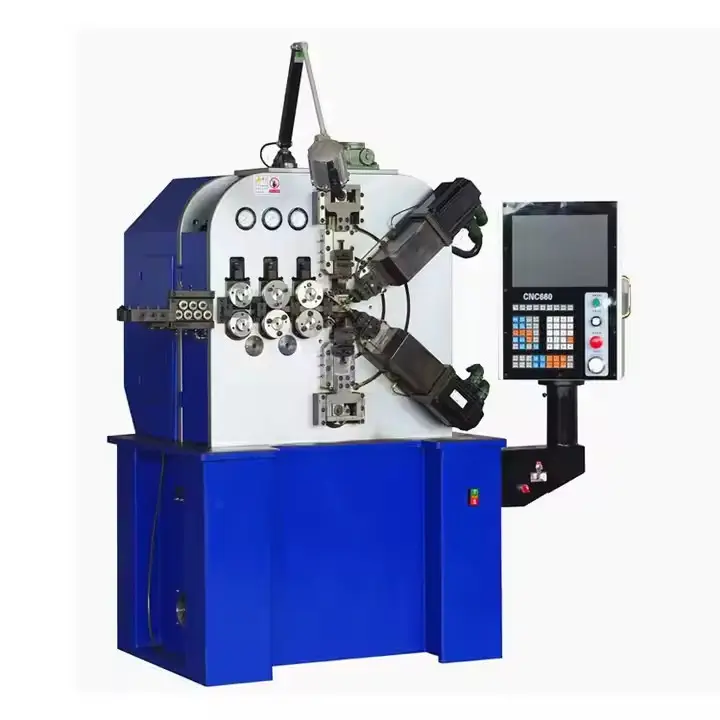
Achieving peak output in spring manufacturing isn’t just about increasing motor RPM; it’s about mastering the synchronization between servo responsiveness and material tension. In high-speed CNC spring production, the feed system must manage wire inertia with extreme precision. When the acceleration curve is mismatched with the material’s tensile strength, the wire experiences micro-vibrations, leading to inconsistent coil pitch. Professional operators prioritize the refinement of the "feed-to-form" sequence. By utilizing advanced servo-loop tuning, the machine can execute high-velocity feeding without sacrificing structural integrity, effectively eliminating the "settling time" that often hampers daily production volume.
Optimizing Equipment Alignment for Throughput
Reliability is the foundation of high-output manufacturing. Before pushing a machine to its maximum speed threshold, the physical alignment of the feeding path must be absolute. Any friction within the straightening rollers or guide tubes creates resistance, causing the servo motors to draw excess power and fluctuate in stability. Experienced technicians emphasize the "path-of-least-resistance" setup: checking for perfect coaxial alignment of all rollers and ensuring that contact pressure is calibrated to the wire diameter. By eliminating these physical bottlenecks, the system remains cool, stable, and capable of sustained high-velocity performance throughout long shifts without needing unscheduled maintenance stops.
Tailoring Parameters for Material Variability
Not all materials respond equally to rapid acceleration. High-tensile stainless steel, for instance, requires a distinct ramp-up profile to prevent surface scarring and ensure uniform bending. CHUANG YUAN engineering standards advocate for a customized approach to parameter tuning. By creating material-specific libraries in the CNC controller, operators can adjust acceleration and deceleration slopes for every product. This allows the machine to operate at its mechanical limit while maintaining the precise tolerances required by high-end automotive or medical clients. This level of technical control transforms raw machine capabilities into consistent, repeatable output, setting a higher bar for production quality.
Preventive Maintenance for Sustained Operations
High-speed production inherently generates significant thermal energy and friction, which are the primary enemies of long-term machine health. A reactive maintenance strategy—waiting for components to fail—is a direct barrier to hitting daily output targets. Adopting a proactive schedule for lubrication, roller surface inspection, and belt tensioning ensures that the equipment operates within its "golden window" of efficiency. CHUANG YUAN promotes a culture of preventive care, where simple, scheduled inspections prevent the catastrophic failures that lead to lost production days. Keeping the hardware in top-tier condition is the most reliable strategy to ensure daily volume remains consistent year-round.
Scaling Success with CHUANG YUAN Solutions
Optimizing feeding speed is only one piece of the puzzle in the modern industrial landscape. To truly outpace competitors, manufacturers need equipment that combines robust engineering with intuitive, high-performance control systems. CHUANG YUAN stands at the forefront of this industry, providing high-precision CNC spring machines engineered for maximum throughput and reliability. By integrating CHUANG YUAN technology into your production facility, you are securing more than just hardware; you are investing in a supply chain partner committed to technical excellence. We provide the expertise required to turn speed into profit, ensuring your production line operates at the peak of industry efficiency.