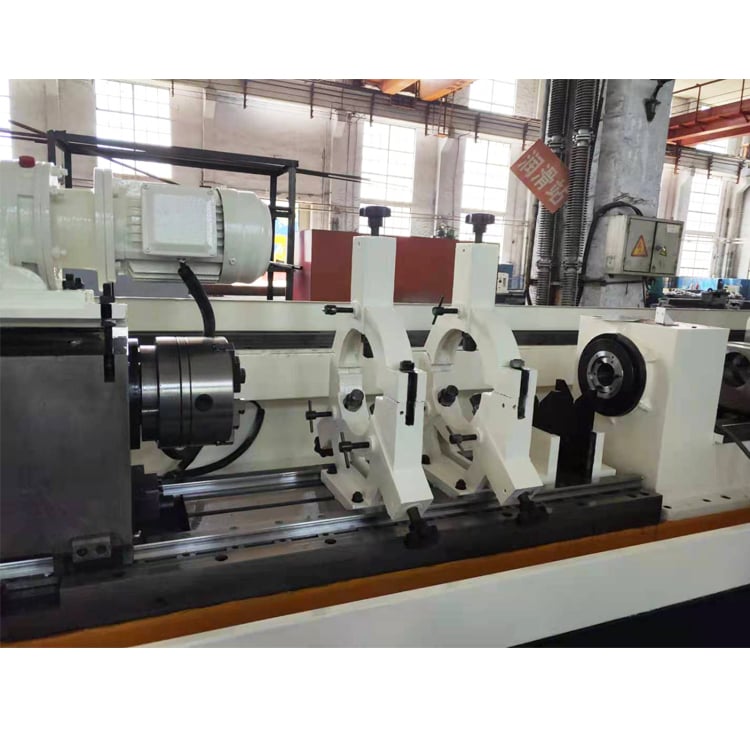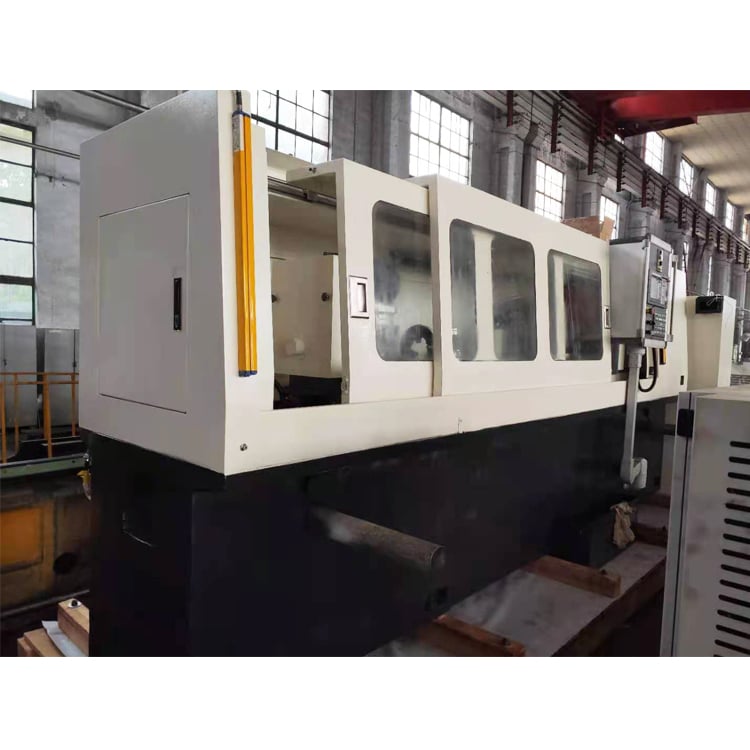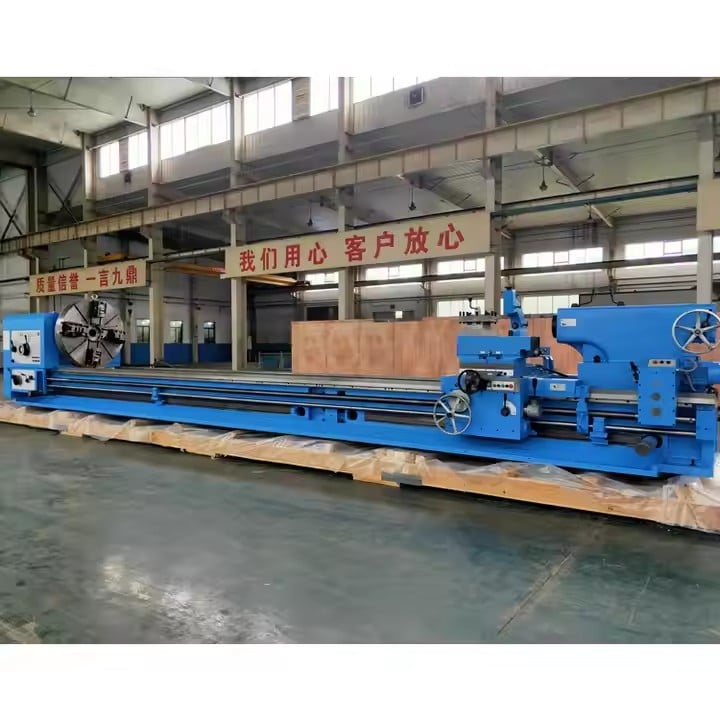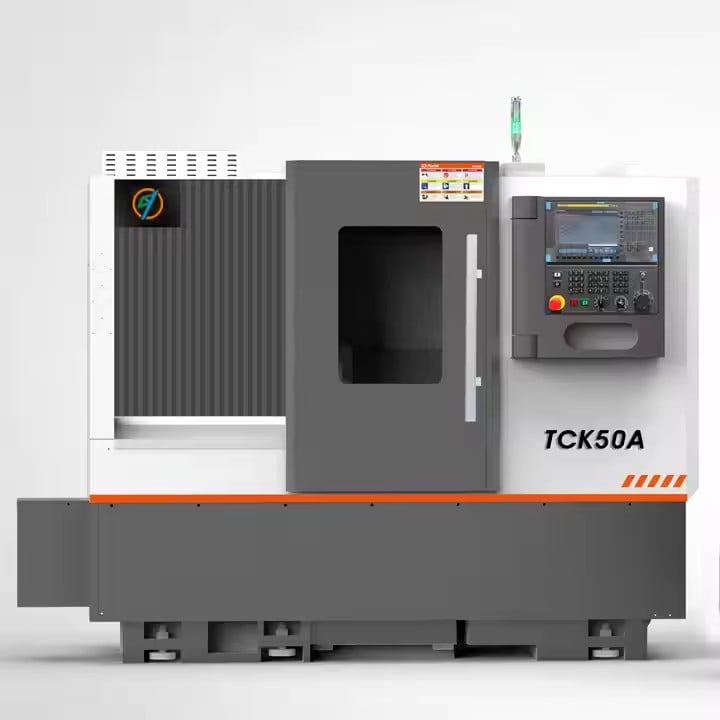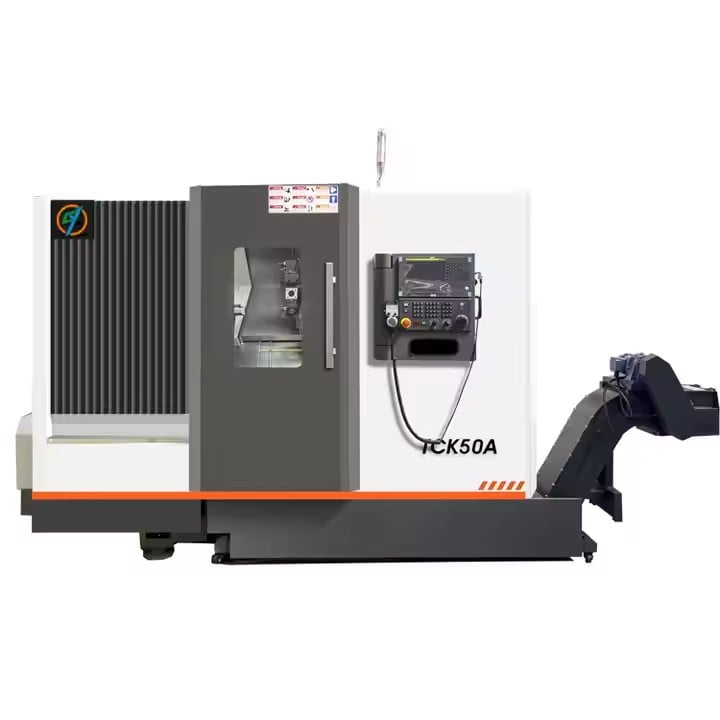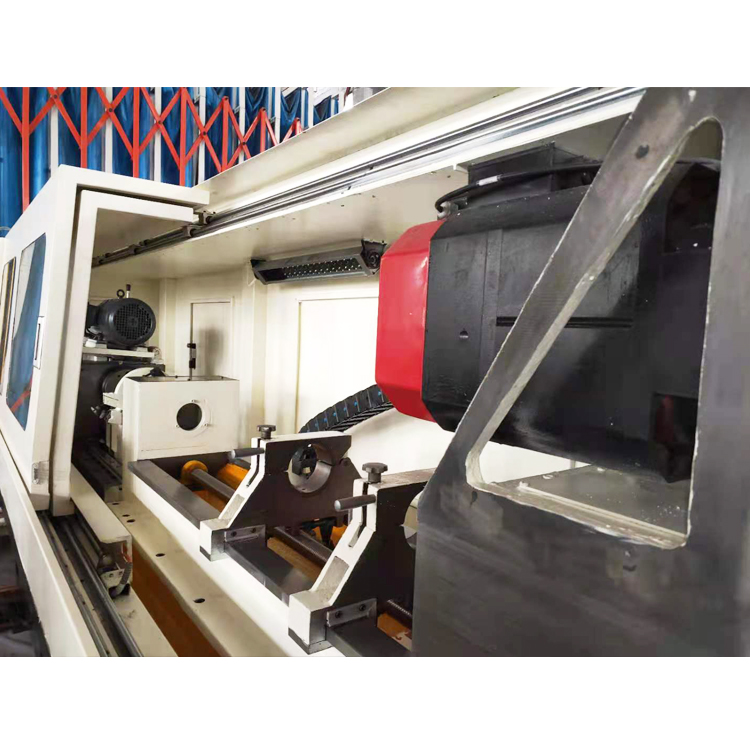
The engineering discipline behind drilling long holes differs fundamentally from conventional machining. As depth-to-diameter ratios climb past 12xD, tool deflection, inadequate chip evacuation, and heat concentration multiply until they dominate the outcome. Depth-to-diameter ratio, expressed as L/D, therefore anchors every design decision at Taizhou Chuang Yuan Machine Tool Co., Ltd. What follows is how we standardize production so global buyers receive identical performance regardless of destination.
Foundations start with castings aged naturally for six months before rough machining, followed by a second stabilization cycle. This removes residual stress that would otherwise distort guideway geometry after a year of operation. Bed sections are then ground on 6-meter slideway grinders, hand-scraped to 12 to 16 contact points per square inch, and inspected with a laser interferometer. Guideway parallelism is certified within 0.01 mm over full stroke, a limit that directly controls straightness when drilling long holes. Spindle assemblies are dynamically balanced at operating speed below G1.0; each unit runs a 4-hour loaded break-in before shipment.
The coolant and chip evacuation system receives equal attention because high-pressure delivery at sufficient flow is what makes drilling long holes viable at 300xD. Standard configurations support 100 to 400 bar through the tool with duplex filtration and temperature stabilization within +/-2 degrees Celsius, preventing thermal drift during extended cycles.
Control strategy is where practical depth capability is won. Our servo feed axes respond at 0.5 millisecond scan intervals, allowing feed-rate modulation as the drill head senses chip-load variation. For drilling long holes in gummy stainless or high-temperature alloys, the CNC automatically reduces feed when torque feedback rises while maintaining coolant volume, an approach validated across 20+ export markets. Operators in Germany, Turkey, India, and Brazil run the same recipes because the parameters ship with the machine.
Tooling interfaces accept industry-standard shanks, so BTA, gun drilling, and ejector configurations can coexist on one platform. Our engineers validate every new application with a test bore before shipment. On a recent job for a wind-energy customer drilling long holes of 45 mm diameter at 3,200 mm in 34CrNiMo6, trial boring held straightness within 0.2 mm and surface finish at Ra 0.6 micrometer; the customer commissioned the line six weeks later. For manufacturers balancing throughput, accuracy, and total cost, that reproducibility is the decisive asset.
24
Dec
13
Dec
14
Jul
03
Aug