EN

Rising Precision Demands in Automotive Powertrains Drive Deep Hole Adoption
Tight bore tolerances and surface integrity now define competitive powertrain production. Deep hole drilling has moved from a specialty process to a standard requirement for crankshafts, camshafts, and transmission shafts.
Tight Tolerances and Surface Integrity Requirements for Crankshafts, Camshafts, and Transmission Shafts
Crankshafts, camshafts, and transmission shafts now require bore positional accuracy of ±0.005 mm to maintain proper torque transfer and reduce vibration. Surface finish values below Ra 0.4 µm are increasingly expected on oil galleries and main bearing bores. Conventional short-hole methods cannot hold these tolerances over L/D ratios up to 30:1 because chip evacuation and thermal drift degrade hole straightness. Advanced deep hole drilling machines use high-pressure coolant at 1,500 psi and adaptive peck cycles to stabilize cutting conditions—producing straighter bores, lowering tool wear, and preserving surface integrity in hardened steels. A 2024 automotive machining benchmark recorded a 30% cycle-time reduction when deep hole equipment replaced conventional drilling for crankshaft oil galleries and camshaft bores. Manufacturers also gain repeatable precision across high-volume production, supporting process capability indices above Cpk 1.67. Without this control, downstream grinding and honing consume more time and raise unit cost. As a result, powertrain lines increasingly adopt dedicated deep hole drilling cells to meet rising precision demands—reducing rework, warranty risk, and supporting tighter emissions-related performance targets.
Material-Specific Challenges: Drilling AISI 4140 QT, Ductile Iron, and Stainless Steel with Consistent Deep Hole Quality
Material behavior directly affects bore quality. AISI 4140 QT, widely used in crankshafts and transmission shafts, is tough and prone to work hardening, requiring controlled feed rates and high-pressure coolant to prevent built-up edge. Ductile iron creates fine, abrasive chips that can pack flutes and score bore walls; reliable chip evacuation and interrupted peck cycles reduce this risk. Stainless steel—often found in high-performance camshafts and electrified powertrain components—has low thermal conductivity, so cutting heat concentrates at the tool edge and can cause deviation. Programmable drilling parameters and torque monitoring help manage these differences. A 2024 process reliability study found that material-adaptive deep hole drilling reduced scrap rates by up to 22% and kept hole straightness deviation below 0.1 mm per 100 mm depth. These controls allow consistent deep hole quality across mixed-material production without retooling, extend tool life, and stabilize cycle times across batches. As automotive powertrains combine steel, iron, and stainless components, material-adaptive drilling becomes essential for controlling cost and maintaining quality.
EV Revolution Accelerates Deep Hole Applications in Motor and Battery Systems
Electric vehicle (EV) production is creating new machining requirements for rotating shafts, power electronics housings, and battery thermal systems. More components now depend on long, precise bores that control coolant flow, lubrication, and sensor routing. Deep hole equipment has become a practical way to meet these demands without sacrificing line speed.
Precision Deep Hole Machining for Electric Motor Shafts and Inverter Housings
Electric motor shafts often require narrow lubrication and cooling passages with length-to-diameter ratios above 40:1. Traditional twist drilling can deflect over such depths, causing bore runout and poor surface finish. Deep hole drilling with single-lip tools or BTA (Boring and Trepanning Association) tooling holds bore position within 0.02 mm and delivers surface roughness below Ra 0.4 µm in hardened rotor shaft steels. Inverter housings made from cast aluminum or magnesium introduce different risks: thin walls can distort, and long chips can pack flutes. Pilot holes and controlled peck cycles reduce cutting pressure and improve chip breaking. A 2025 precision machining benchmark found 42% lower bore runout on EV motor shafts after manufacturers switched to dedicated deep hole cells—supporting quieter rotors and more reliable power electronics assemblies.
Thermal Management: High-Accuracy Bore Geometry in EV Battery Cooling Channels
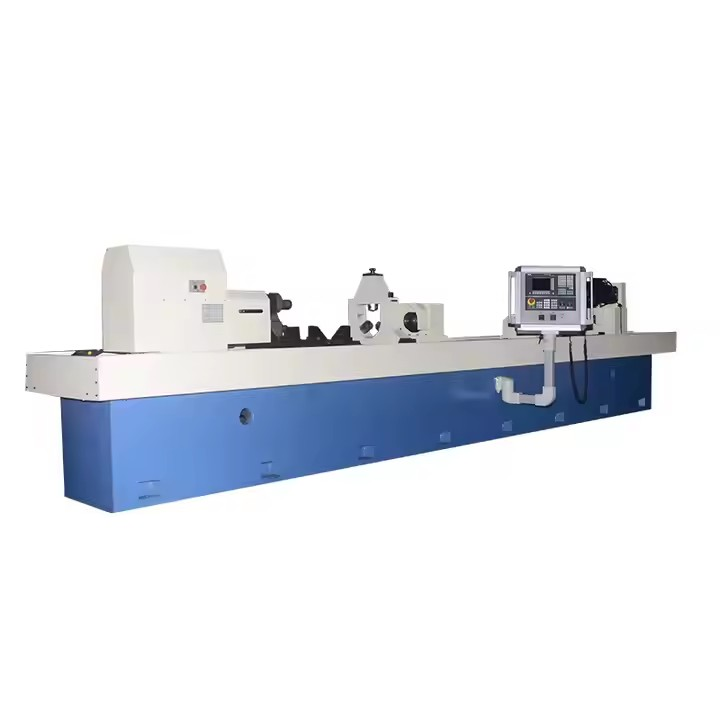
Battery cold plates and extruded cooling channels rely on straight, round bores that keep coolant flow uniform across the pack. Deep hole boring produces consistent diameters over lengths from 600 mm to 1,200 mm, with bore variation reduced from ±0.12 mm to ±0.045 mm in a 2024 thermal management study. Smooth bore walls and low waviness cut pressure drop and can improve heat transfer by up to 18%. Effective chip evacuation is essential in aluminum alloys, where long ribbons can clog the tool and scratch bore walls. High-pressure coolant through the tool clears chips continuously and protects surface integrity. Automatic tool monitoring adds another layer of control by detecting insert wear before it creates scrap in expensive cold plates—aligning deep hole equipment with EV battery production targets for cycle time and part quality.
Smart Deep Hole Drilling: Automation, Real-Time Control, and Industry 4.0 Integration
Automation has moved deep hole drilling from standalone manual operations to integrated machining cells. Modern CNC systems combine multi-axis control, automatic tool changers, and real-time process monitoring—reducing non-cutting time and improving repeatability for complex hole geometries in crankshafts, camshafts, and electric motor shafts. As a result, high-volume automotive lines can maintain tight tolerances without constant operator adjustment.
Real-time sensing now forms the backbone of adaptive deep hole machining. Spindle load, coolant pressure, cutting-zone temperature, and vibration sensors feed data to control algorithms that detect tool wear, chatter, and chip evacuation blockages before they cause scrap. Intelligent G-code commands—such as automated step drilling sequences—adjust feed and speed without operator intervention. This closed-loop control keeps bore straightness and surface finish stable across long production runs.
Industry 4.0 integration extends these benefits beyond a single machine. IoT-enabled deep hole drilling systems stream sensor data into plant-wide manufacturing execution systems, allowing engineers to track tool life, predict maintenance, and trace every bore back to its process parameters. The result is less unplanned downtime, lower scrap rates, and faster root-cause analysis—turning deep hole machining from a bottleneck into a data-driven advantage for automotive manufacturers.
Measurable Performance Gains from Deep Hole Equipment in High-Volume Automotive Production
Cycle Time Reduction: 35–50% Faster Machining of Critical Powertrain Components
Replacing conventional twist drilling with dedicated deep hole equipment cuts cycle time by 35–50% for crankshafts, camshafts, and transmission shafts. High-pressure coolant at up to 1,500 psi flushes chips continuously instead of forcing repeated peck-retract sequences. Adaptive peck cycles monitor spindle load and retract only when chip resistance rises—removing about 30% of non-cutting time in hardened AISI 4140 QT and ductile iron. The same approach holds L/D ratios up to 30:1 while maintaining ±0.005 mm positional accuracy. In practice, a transmission shaft bore that once took two minutes can be finished in roughly 70 seconds. This speed gain balances high-volume powertrain lines and often lets one deep hole machine replace two conventional drilling stations—lowering cost per hole and increasing throughput per shift without sacrificing surface integrity. Tool life remains stable because smoother chip flow reduces cutting edge wear under continuous production.
Improved Thermal Stability, Chip Evacuation Efficiency, and Reduced Scrap Rates
Thermal stability improves because high-pressure coolant removes heat at the cutting edge before it soaks deep into the workpiece—preventing bore diameter drift during long runs and helping maintain roundness after interrupted cuts. Efficient chip evacuation is equally critical: through-tool coolant pushes compact chips out at up to 1,500 psi, eliminating chip packing that causes drill breakage. Production audits in transmission shaft machining show scrap rates falling from 4% to under 1.5% after switching to dedicated deep hole systems. Fewer rejected parts and fewer tool changes increase machine availability—making this equipment a priority for critical powertrain bores in high-volume plants. Cooler cutting edges also retain hardness longer, reducing tool cost per hole and supporting more consistent geometry across thousands of parts.
FAQ: Deep Hole Adoption in Automotive Precision Machining
What are deep hole drilling tolerances in automotive powertrains?
Deep hole drilling can achieve bore positional accuracy of ±0.005 mm and surface finishes as low as Ra 0.4 µm on critical components like crankshafts and camshafts.
Why are deep hole drilling systems becoming necessary in EV production?
EV manufacturing demands precise bores for motor shafts, inverter housings, and battery cooling channels, ensuring efficient thermal management and lubrication without disrupting production line speed.
How does material-adaptive drilling enhance quality?
Material-adaptive drilling adjusts feed rates, coolant pressure, and cutting sequences based on material properties like AISI 4140 QT or stainless steel, reducing scrap rates and maintaining consistent hole straightness.
What role does automation play in deep hole machining?
Automation in deep hole systems integrates real-time monitoring, adaptive feed controls, and Industry 4.0 connectivity, ensuring repeatability across long production runs.
What are the main benefits of switching to dedicated deep hole equipment?
Key benefits include 35–50% cycle time reduction, improved thermal stability, lower scrap rates, and reduced tool wear, leading to overall cost efficiency in high-volume automotive production.
Table of Contents
- Rising Precision Demands in Automotive Powertrains Drive Deep Hole Adoption
- EV Revolution Accelerates Deep Hole Applications in Motor and Battery Systems
- Smart Deep Hole Drilling: Automation, Real-Time Control, and Industry 4.0 Integration
- Measurable Performance Gains from Deep Hole Equipment in High-Volume Automotive Production
-
FAQ: Deep Hole Adoption in Automotive Precision Machining
- What are deep hole drilling tolerances in automotive powertrains?
- Why are deep hole drilling systems becoming necessary in EV production?
- How does material-adaptive drilling enhance quality?
- What role does automation play in deep hole machining?
- What are the main benefits of switching to dedicated deep hole equipment?