EN
EN
Flawed Cost Structure in Traditional Metal Coil Processing Workflows
Most metal processing facilities struggle with uncontrolled hidden costs when relying on traditional segmented coil processing setups. Separate standalone machines for uncoiling, slitting, and recoiling break the production cycle into disconnected stages, creating unseen waste that standard financial audits rarely capture. Long-term on-site tracking of multiple manufacturing workshops confirms that fragmented processing layouts consistently cause resource loss in raw material usage, manpower allocation, and daily equipment operation. These scattered inefficiencies accumulate steadily over long production cycles and erode overall operational profitability.
Industry lean manufacturing research from the International Metal Forming Association verifies that segmented coil processing generates 15% to 20% higher comprehensive operational costs compared with fully integrated continuous processing systems. The core issue stems from repeated manual positioning, frequent material transfers, and inconsistent machine operation status across separate stations. These structural drawbacks cannot be resolved through simple management adjustments, making integrated slitting line systems a necessary hardware upgrade for factories aiming to stabilize and optimize long-term production expenditure.
Optimized Material Utilization Mechanism Cuts Raw Material Waste
Raw metal coil materials account for the largest share of production investment in general metal fabrication. Uncontrolled material waste has always been the primary driver of elevated comprehensive operational costs. Traditional discrete cutting equipment lacks precise tension stabilization and intelligent deviation correction functions. During continuous batch processing, minor coil drifting, uneven trimming margins, and unutilized edge residues occur frequently, resulting in substantial non-recyclable material loss that raises unit production costs.
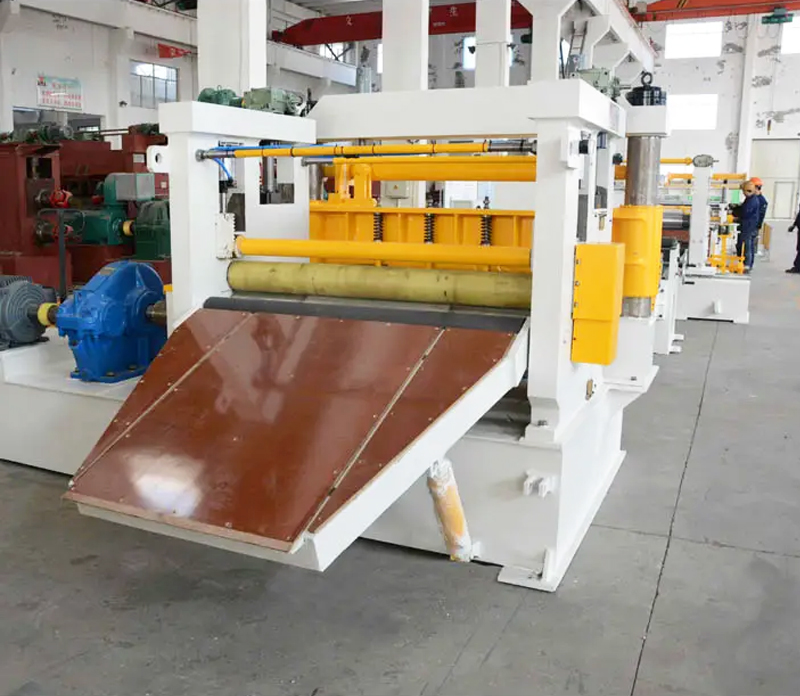
Industrial-grade slitting line systems adopt closed-loop tension control and high-precision servo positioning technology to maintain stable coil operation throughout the entire processing workflow. Optimized cutter group structures and standardized gap calibration deliver uniform slitting widths for metal strips, effectively minimizing invalid trimming waste. Practical operational data from multiple manufacturing sites proves that integrated slitting equipment greatly improves overall coil utilization rates. For factories maintaining long-term, large-volume coil processing operations, improved material consistency and reduced waste deliver stable, long-term cost optimization across full production cycles.
Integrated Processing Structure Streamlines Labor and Management Costs
Traditional segmented processing requires dedicated staffing for every independent stage, including feeding, slitting inspection, and finished material collection. Dispersed workstation layouts demand excess human resources and create additional management risks caused by inconsistent manual operation and unstable process connection. As global industrial labor costs continue to rise annually, unreasonable manpower allocation has become a persistent cost burden for metal fabrication enterprises of all scales.
Modern integrated slitting lines consolidate uncoiling, tension regulation, slitting, and recoiling into one unified automated workflow. This highly centralized structure eliminates redundant manual intervention and unnecessary process handling links. Standardized automatic operation effectively reduces overall manpower requirements for coil processing, while unified technical standards lower management costs caused by operational deviations and process inconsistencies. This streamlined production and management model has been widely validated in global lean manufacturing practices for metal processing applications.
Stable Mechanical Performance Reduces Long-Term Operational Overhead
Long-term equipment maintenance and operational overhead are commonly overlooked in routine factory cost accounting. Basic discrete processing machines feature simplified mechanical structures with limited operational stability. After prolonged continuous use, these devices suffer from severe tool wear, structural vibration deviations, and frequent component aging, requiring regular replacement and repeated maintenance. Continuous equipment troubleshooting and parts renewal create recurring hidden costs that affect long-term operational profitability.
Professional industrial slitting lines adopt high-rigidity integral casting bases and wear-resistant precision cutter assemblies, with fully optimized mechanical matching structures. The robust mechanical design effectively suppresses operational vibration and structural displacement, slowing core component wear and extending equipment service life. Standardized industrial-grade design greatly prolongs maintenance cycles and reduces spare parts replacement frequency. From a full lifecycle perspective, the stable mechanical performance of integrated slitting lines drastically cuts hidden maintenance and operational costs caused by equipment failure and component degradation.
Standardized Equipment Layout Optimizes Auxiliary Production Costs
Beyond direct material and labor expenses, auxiliary operational costs including workshop space occupation, material turnover, and inventory management also impact overall factory profitability. Discrete processing equipment occupies scattered workshop areas, and semi-finished materials generated by segmented workflows require frequent temporary storage and repeated handling. These auxiliary procedures create extra time and labor consumption that further increase comprehensive processing costs.
The compact, integrated layout of professional slitting lines saves substantial workshop space by enabling one-pass continuous coil processing. The unified workflow eliminates intermediate material turnover and semi-finished product storage, removing all invalid auxiliary operational links in traditional processing modes. This structural optimization improves workshop space utilization, reduces inventory management pressure, and cuts additional labor and time costs associated with repeated material handling, bringing comprehensive operational cost optimization for manufacturing facilities.
Professional Manufacturing Strength Delivers Cost-Effective Processing Solutions
Stable long-term cost optimization relies heavily on high-quality, durable processing equipment, with overall performance closely tied to manufacturer R&D and manufacturing capabilities. Boasting more than 20 years of specialized experience in metal processing machinery production, CYMC has accumulated mature technical expertise and established standardized manufacturing systems for slitting line structural optimization, performance calibration, and quality control.
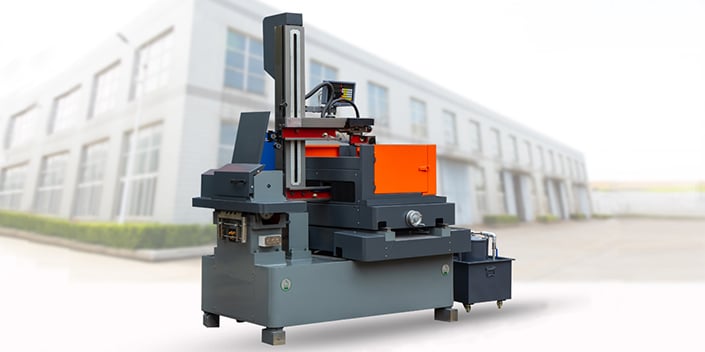
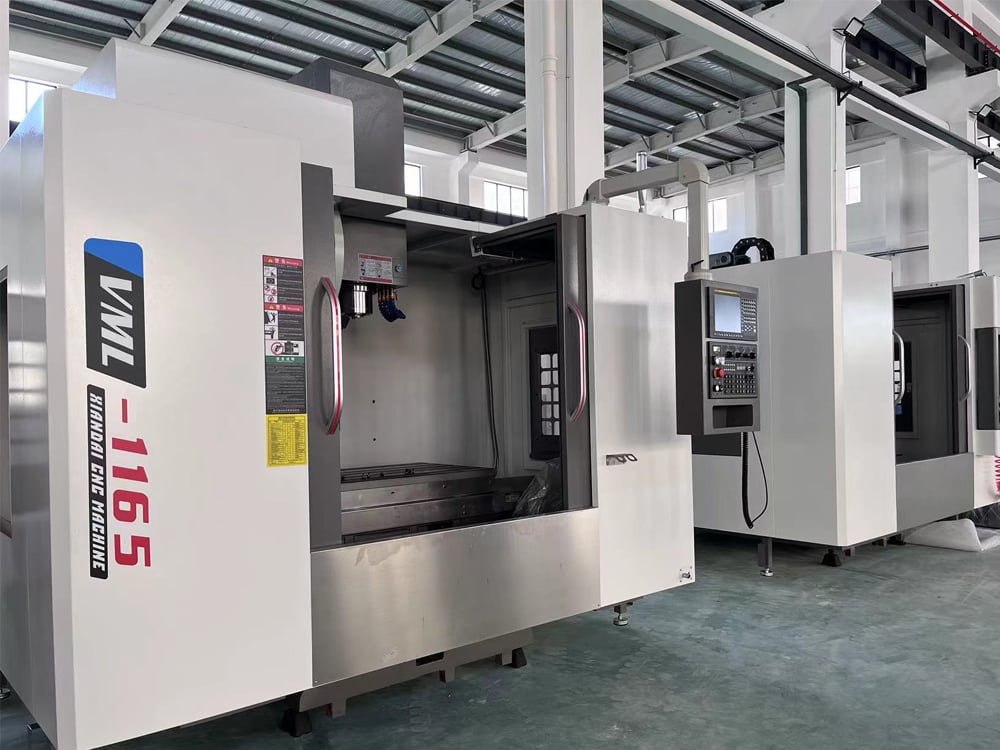
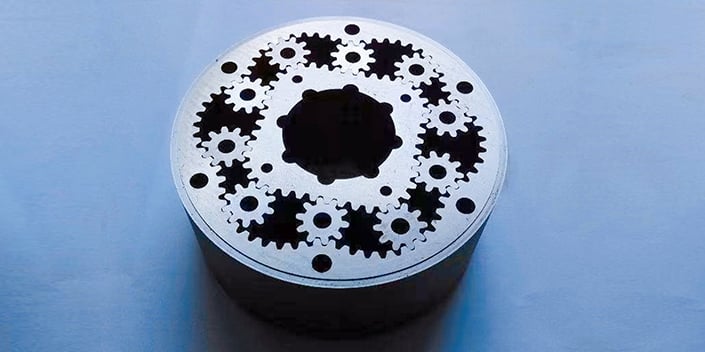
CYMC implements strict full-process quality control, covering component precision machining, equipment assembly, and finished product performance testing. The diversified product portfolio covers slitting lines, cut-to-length lines, CNC machining centers, and EDM equipment, delivering well-matched hardware solutions for factories with different production scales. With a stable global supply chain system and overseas service experience covering more than 20 countries, CYMC supplies highly reliable, long-lasting metal processing equipment for global manufacturers, supporting sustained lean production and stable cost control for end users.
Conclusion
Integrated slitting line systems effectively resolve structural cost drawbacks inherent in traditional discrete metal coil processing. By optimizing material utilization, simplifying labor and management workflows, stabilizing mechanical operation, and streamlining auxiliary production links, this equipment delivers multi-dimensional cost optimization for metal processing operations. For modern manufacturers focused on lean and sustainable production, professional slitting line configurations serve as a practical, reliable solution to stabilize processing quality and control comprehensive operational expenditure. As global manufacturing standards continue to upgrade, integrated slitting processing technology will remain a valuable asset for long-term operational cost control in the metal fabrication field.
Table of Contents
- Flawed Cost Structure in Traditional Metal Coil Processing Workflows
- Optimized Material Utilization Mechanism Cuts Raw Material Waste
- Integrated Processing Structure Streamlines Labor and Management Costs
- Stable Mechanical Performance Reduces Long-Term Operational Overhead
- Standardized Equipment Layout Optimizes Auxiliary Production Costs
- Professional Manufacturing Strength Delivers Cost-Effective Processing Solutions
- Conclusion