EN
EN

Why Low-Speed Wire EDM Machines Are Optimal for Precision Alloy Cutting
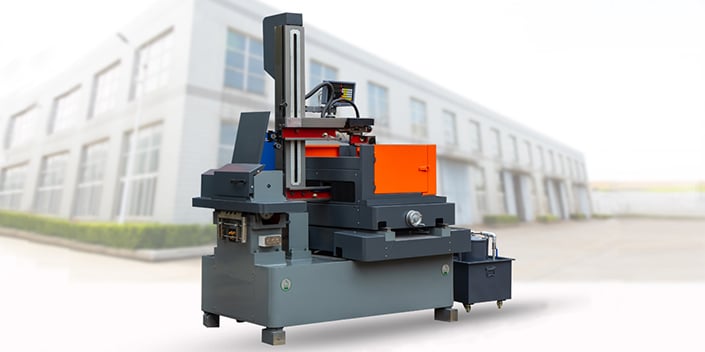
Low speed wire EDM machines are known for their exceptional precision when working with tough alloys. The spark erosion method doesn't apply mechanical stress, which is really important for materials like titanium and Inconel that tend to warp during regular machining processes. These systems operate with almost no cutting force at all, so they can hold tight dimensional control around ±0.005 mm even on delicate parts with thin walls. Surface finish quality gets down to about Ra 0.2 microns, something most traditional methods just can't match. Because the wire moves slower through the material, operators get better control over heat buildup. This helps avoid those tiny cracks that form in hardened tool steels and keeps the metal structure intact throughout the machining process.
Using multi pass cutting techniques really boosts precision levels, allowing for those tiny sub micron adjustments in the final skim passes. This matters a lot in industries like aerospace and medical device manufacturing where how smooth the surface is can make all the difference in how long parts last before they fail. The slower approach works better than going full speed because it cuts down on wire vibrations and helps get rid of debris more effectively thanks to improved dielectric systems. What this means practically is we maintain consistent cut widths and get clean corners even when dealing with complicated shapes. Take aluminum for instance which tends to be quite stubborn to machine. Slowing things down actually reduces the chances of snapping wires and makes managing the sludge much easier. Companies that care more about getting every detail right instead of just churning out volume will find that low speed wire EDM delivers exactly what they need across accuracy, finish quality, and repeatable results.
Critical Wire EDM Machine Components That Impact Alloy Machining Performance
High-Stability Power Supply for Consistent Pulse Control in Heat-Sensitive Alloys
Stable power supplies are essential for preventing thermal distortion when working with tough alloys such as Inconel 718 because they keep the spark energy consistent throughout the process. When there's even a small fluctuation in pulse duration beyond about plus or minus 2%, it can lead to those annoying micro cracks forming in materials that are sensitive to heat changes. The newer generation equipment actually adjusts the voltage every half microsecond, which makes all the difference when cutting through titanium alloys. This level of control allows for really fine details down at the sub micron level while also making the recast layer much thinner than what we see from older system setups. Some tests show improvements around 40% thinner layers, which is pretty impressive for anyone dealing with these kinds of materials regularly.
Advanced Dielectric Filtration System for Efficient Sludge Management in Sticky Alloys
Alloys such as aluminum bronze tend to create this thick sludge that really gets into cutting paths if there's no good filtration system in place. When shops install multi stage systems featuring those centrifugal separators, they usually get around 99 percent removal of particles down to about 25 microns in size. Keeping the dielectric flowing continuously between 15 and 20 psi makes all the difference when working with these sticky materials. This helps prevent that annoying wire drag problem which causes so many machining errors. Shops report seeing roughly a 30% drop in errors after making this adjustment. Plus, the wire electrodes last longer since there are fewer arc interruptions happening during operation. Most machinists will tell you this setup just works better for handling those difficult alloys day after day.
Optimized Wire Electrode Selection: Diameter, Coating, and Tensile Strength for Hard Alloys
When working with hardened tool steels over 60 HRC, many shops find that zinc coated brass wires around 0.25 mm diameter offer the right mix of electrical conductivity and tensile strength, typically ranging from 900 to 1000 N per square millimeter. The coating makes a noticeable difference too - tests show these wires cut down on crater depth by about 35% compared to regular uncoated ones when machining tungsten carbide. Going smaller with 0.1 mm wires allows for really detailed work shapes, though operators need to slow things down by roughly 20% at the feed rate to avoid snapping the wire during operation. Getting the wire choice right is crucial for keeping the kerf width consistent throughout multiple passes, ideally staying within plus or minus 0.005 mm tolerance during those fine finishing cuts.
Balancing Speed, Precision, and Surface Integrity When Cutting High-Performance Alloys
Getting the best out of a wire EDM machine means finding that sweet spot between three factors that often pull against each other: how fast the cut happens, how accurate the dimensions turn out, and keeping the metal structure intact. For materials used in aircraft parts like titanium and Inconel, this balance becomes absolutely essential. Too much heat during cutting or applying too much force can lead to tiny cracks forming or leftover stresses in the material that nobody wants. Factory workers need to adjust their settings based on what kind of metal they're working with. Take nickel-based superalloys for example these require much slower processing speeds compared to regular tool steels if we want to avoid problems like work hardening which makes further machining difficult down the line.
Multi-Pass Skimming Strategies to Achieve Sub-Micron Tolerances in Titanium Alloys
For titanium alloys like Ti-6Al-4V, multi-pass skimming is essential for achieving surface finishes under Ra 0.1 µm. A typical approach involves:
- First pass: Rough cut at 0.3 mm/min with 0.25 mm wire to remove bulk material
- Second pass: Semi-finish at 0.1 mm/min with 0.2 mm wire, reducing overcut by 40%
- Final pass: Finish cut below 0.05 mm/min using coated brass wire to eliminate recast layers
This staged method controls thermal distortion while maintaining ±2 µm positional accuracy across 100 mm workpieces.
Quantifying the Speed–Finish Trade-off in Inconel 718 and Tool Steels
Processing speed directly impacts surface quality in heat-resistant alloys:
- Inconel 718: Cutting at 12 m/min yields Ra 2.5 µm; reducing speed to 7 m/min improves finish to Ra 0.8 µm—a 40% speed sacrifice for a 68% improvement in surface smoothness
- Tool steels (D2): Maintain Ra 1.2 µm at 15 m/min, whereas speeds above 20 m/min cause micro-pitting due to inadequate debris clearance
FAQ
What is the advantage of using low-speed wire EDM machines for alloy cutting?
Low-speed wire EDM machines provide exceptional precision, allowing for tight dimensional control and superior surface finish. This method minimizes mechanical stress and heat buildup, making it ideal for delicate parts and tough alloys.
How does multi-pass cutting enhance precision in EDM machining?
Multi-pass cutting allows for sub micron adjustments and improved surface quality. By using different passes, operators can refine the cuts, providing smoother surfaces and reducing wire vibrations, crucial in industries like aerospace and medical device manufacturing.
Why is stable power supply important in wire EDM machines?
Stable power supplies prevent thermal distortion during the machining process. For heat-sensitive alloys like Inconel 718, consistent spark energy is essential to avoid micro cracks and ensure precision at the sub micron level.
How does dielectric filtration system impact efficiency?
An advanced dielectric filtration system significantly reduces machining errors by efficiently managing sludge and particle removal. It helps prevent wire drag and extends the lifespan of wire electrodes, improving overall machining performance.
What factors should be considered when selecting wire electrodes?
Selecting the right wire electrodes involves considering diameter, coating, and tensile strength. For hard alloys, appropriate wire selection ensures consistent kerf width, reduces crater depth, and allows for detailed work shapes without snapping the wire during operation.
Table of Contents
- Why Low-Speed Wire EDM Machines Are Optimal for Precision Alloy Cutting
- Critical Wire EDM Machine Components That Impact Alloy Machining Performance
- Balancing Speed, Precision, and Surface Integrity When Cutting High-Performance Alloys
-
FAQ
- What is the advantage of using low-speed wire EDM machines for alloy cutting?
- How does multi-pass cutting enhance precision in EDM machining?
- Why is stable power supply important in wire EDM machines?
- How does dielectric filtration system impact efficiency?
- What factors should be considered when selecting wire electrodes?