EN
EN

Zasady działania: wiercenie EDM vs tradycyjne wiercenie
Ablacja elektrotermiczna w maszynie do wiercenia EDM
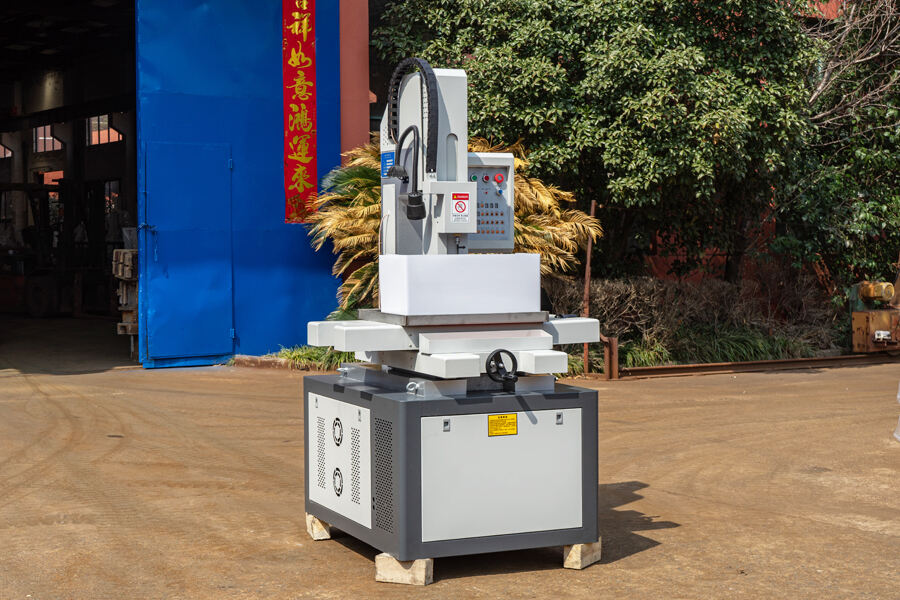
Wiercenie EDM polega na wykorzystaniu wyładowań elektrycznych do stopienia materiału. W praktyce, narzędzie z mosiądzu lub miedzi wysyła maleńkie iskry, które nagrzewają i usuwają przewodzące materiały bez ich bezpośredniego dotykania. Gdy te iskry uderzają w przedmiot obrabiany, tworzą drobne obszary nadgorącego plazmy, które stopniowo niszczą powierzchnię. Cały proces wymaga tzw. cieczy dielektrycznej, która zwykle jest po prostu specjalną wodą lub olejem. Ciecz ta pełni trzy główne funkcje: usuwa pozostałości powstałe podczas obróbki, chłodzi przestrzeń między elektrodami oraz zapewnia odpowiednią izolację, by iskry nie rozprzestrzeniały się niekontrolowanie. Ponieważ EDM nie wykorzystuje żadnej rzeczywistej siły cięcia, nie powoduje wyginania ani odkształcania delikatnych elementów o cienkich ściankach. Co czyni tę metodę szczególnie przydatną, to jej zdolność do wykonywania precyzyjnych otworów nawet w bardzo twardych metalach o twardości przekraczającej 60 HRC – coś, z czym zwykłe narzędzia tnące sobie nie radzą.
Mechanizm cięcia mechanicznego w zwykłym wierceniu
Tradycyjne metody wiercenia polegają na obracaniu narzędzi tnących, które przecinają materiały poprzez bezpośredni kontakt krawędzi tnących. Gdy te narzędzia stykają się z materiałem, powstaje znaczne tarcie cieplne, czasem osiągające temperatury powyżej 600 stopni Celsjusza podczas pracy ze stalą nierdzewną. Z tego powodu operatorzy muszą ciągle stosować płyny chłodząco-smarujące w trakcie procesu. Płyny te pomagają kontrolować temperaturę, spowalniać zużycie narzędzi oraz usuwać wióry metalowe ze strefy obróbki. Istnieją jednak ograniczenia możliwości tradycyjnego wiercenia. Kruche materiały lub te o twardości przekraczającej 45 HRC stanowią szczególne wyzwanie. Narzędzia mają tendencję do wcześniejszego łamania się, całkowitego pęknięcia lub szybkiego zużycia krawędzi tnących przy obróbce takich trudnych materiałów.
Główne różnice w generowaniu ciepła, kontakcie narzędzia z przedmiotem obrabianym i zużyciu energii
| Parametr | Maszyna do wiercenia edm | Wiercenie konwencjonalne |
|---|---|---|
| ŹRÓDŁO CIEPŁA | Lokalna plazma iskrowa | Tarcie spowodowane ścinaniem fizycznym |
| Kontakt z przedmiotem obrabianym | Bezkontaktowy (odstęp 0,5–1,0 mm) | Ciągłe oddziaływanie siły fizycznej |
| Efektywność energetyczna | 8–12 kW/godz. (skoncentrowane na precyzji) | 4–6 kW/godz. (skoncentrowane na szybkości) |
| Strefa Cieplnego Oddziaływania | głębokość 5–20 µm | głębokość 100–500 µm |
ERO skupia energię w mikroskopijnych strefach wyładowania, przy czym do 95% ciepła jest odprowadzanych przez płuczkę dielektryczną. W przeciwieństwie do tego, tradycyjne wiercenie rozkłada energię na szerszych powierzchniach ścinania, marnując 30–40% jako ciepło otoczenia. Chociaż ERO unika odkształceń narzędzia i zniekształceń spowodowanych naprężeniami, czas cyklu na otwór jest zazwyczaj dłuższy niż przy wierceniu mechanicznym.
Prędkość i efektywność wiercenia w materiałach twardych i egzotycznych
Wpływ twardości materiału na wydajność maszyny do wiercenia metodą ERO
Twardość materiałów nie ma dużego wpływu na skuteczność wiercenia EDM w porównaniu do podejść tradycyjnych, gdzie narzędzia szybko się zużywają i odkształcają podczas pracy z materiałami o twardości powyżej 45 HRC. EDM usuwa materiał za pomocą iskier, które go odparowują, zamiast mechanicznie ciąć, dzięki czemu proces przebiega w stałym tempie i zachowuje dokładność nawet przy bardzo twardych stalach narzędziowych (powyżej 60 HRC), ceramikach oraz innych trudnoobrabialnych materiałach, z którymi maszyny konwencjonalne nie radzą sobie. Najważniejszym czynnikiem jest tutaj przewodność cieplna. Materiały o słabej przewodności cieplnej, takie jak Inconel 718, faktycznie utrzymują ciepło w miejscu erozji, co dziwnie enough przyspiesza usuwanie materiału.
Porównanie prędkości w tytanie, stopach specjalnych i węglikach
Wiercenie metodą EDM znacząco przewyższa metody konwencjonalne w przypadku egzotycznych materiałów. Zgodnie z danymi SME z 2023 r., EDM osiąga wiercenie o 2–4” szybsze w tytanie Grade 5 w porównaniu z procesami mechanicznymi:
| Materiał | Prędkość konwencjonalna (mm/min) | Prędkość EDM (mm/min) | Zysk efektywności |
|---|---|---|---|
| Wyroby z metalu | 12–18 | 35–50 | 192% |
| Inconel 718 | 8–12 | 30–40 | 233% |
| Węglik tungstenowy | 3–5 | 15–22 | 340% |
Ta przewaga wynika z odporności EDM na ciśnienie narzędzia, wibracje oraz twardość przedmiotu obrabianego – czynniki bezpośrednio uwzględnione w normie ISO 5755-2022 dotyczącej zgodności tolerancji otworów. Brak tarcia mechanicznego powoduje zmniejszenie zużycia chłodziwa o 40%, co dalszym poprawia efektywność operacyjną.
Precyzja, wykańczanie powierzchni i możliwości wiercenia o wysokim stosunku głębokości do średnicy
Osiąganie tolerancji poniżej 10 µm i otworów bez zadziorów przy użyciu EDM
Obróbka elektroerozyjna osiąga dokładność na poziomie mikronów, często utrzymując tolerancje poniżej 10 mikronów dzięki starannie kontrolowanym procesom erozji cieplnej. Ponieważ materiał faktycznie ulega odparowaniu warstwa po warstwie zamiast być fizycznie cięty, problemy takie jak zadziory, drobne rozdarcia czy wygięte krawędzie po prostu nie występują. Dlatego producenci sięgają po EDM w przypadku szczególnie ważnych elementów w przemyśle lotniczym i medycznym. Wyobraź sobie dysze wtryskowe lub otwory w narzędziach chirurgicznych, gdzie nawet najmniejszy błąd wymiarowy może oznaczać awarię lub zagrożenie dla pacjentów. Bez dużego ciśnienia tnącego EDM doskonale sprawdza się również przy bardzo twardych materiałach. Radzi sobie z stalami twardszymi niż 60 HRC i kruchymi ceramicznymi bez powodowania pęknięć czy odspajania się warstw. Zakłady meldują około 40 procent mniej odpadów przy użyciu EDM w porównaniu z tradycyjnymi technikami wiercenia, co w dłuższej perspektywie przekłada się na realne oszczędności.
Chropowatość powierzchni (Ra): EDM (0,2–0,8 µm) vs. Konwencjonalne (1,6–6,3 µm) w stali nierdzewnej 17-4PH
Podczas pracy z nierdzewną stalą 17-4PH, obróbka elektroerozyjna (EDM) może osiągnąć chropowatość powierzchni w zakresie od 0,2 do 0,8 mikrometra Ra. To około ośmiokrotnie gładniejsza powierzchnia niż ta uzyskiwana typowymi metodami wiercenia, które zazwyczaj mieszczą się w przedziale od 1,6 do 6,3 mikrometra. Proces erozji iskrowej tworzy jednolicie gładkie powierzchnie bez dokuczliwych śladów narzędzi, przywartej wióry czy problemów z odkształceniem termicznym. Elementy narażone na intensywne zużycie, takie jak zawory hydrauliczne i obudowy łożysk, znacznie korzystają z tego rodzaju wykończenia, ponieważ zmniejsza ono tarcie i sprawia, że te części mają dłuższą żywotność przed wymianą. Patrząc na rzeczywiste zastosowania w różnych branżach, wielu producentów stwierdziło, że nie potrzebują już dodatkowych etapów polerowania po obróbce EDM. Same to pozwala zaoszczędzić od 25 do 35 procent całkowitego czasu obróbki, według kilku raportów produkcyjnych.
Zużycie narzędzi, konserwacja i długoterminowa efektywność operacyjna
Brak zużycia mechanicznego w maszynie do wiercenia metodą EDM w porównaniu z szybkim zużyciem narzędzi w tradycyjnych wiertarkach
W przypadku wiercenia EDM nie występuje wcale zużycie narzędzi mechanicznych, ponieważ elektroda nie styka się fizycznie z przedmiotem obrabianym. Zamiast tego elektroda stopniowo i przewidywalnie zużywa się przez erozję podczas iskrzenia. Oznacza to, że elektrody EDM zachowują stabilność wymiarową przez setki operacji. Dobrym przykładem jest to, że jedna elektroda EDM może zwykle wywiercić około 500 otworów w trudnych materiałach, takich jak Inconel, zanim będzie wymagała wymiany. Standardowe wiertła węglikowe opowiadają inną historię. Zazwyczaj trzeba je wymieniać po wykonaniu około 30 do 50 otworów w podobnych materiałach, ponieważ cierpią na problemy takie jak zużycie powierzchni bocznej, tworzenie się kraterów i łuskanie krawędzi. Jeśli chodzi o konserwację, systemy EDM wymagają głównie kontrolowania płynu dielektrycznego oraz okresowej korekty pozycjonowania elektrody. Takie podejście redukuje przypadkowe przestoje o około 40–60 procent w porównaniu z tradycyjnymi metodami, w których operatorzy ciągle wymieniają narzędzia, przetaczają wiertełka, zarządzają chłodzącymi oraz kalibrują wrzeciona na nowo. Patrząc na szerszy obraz, producenci odnotowują w dłuższej perspektywie około 30-procentową oszczędność kosztów produkcji, według różnych badań nad efektywnością obróbki skrawaniem przeprowadzonych w branży.
Często zadawane pytania
Jaka jest główna zaleta wiercenia EDM w porównaniu do konwencjonalnych metod wiercenia?
Główną zaletą wiercenia EDM jest możliwość precyzyjnego wiercenia twardych materiałów (ponad 60 HRC) bez wywoływania naprężeń mechanicznych ani odkształceń na przedmiocie obrabianym, w przeciwieństwie do metod konwencjonalnych.
Dlaczego wiercenie EDM wymaga cieczy dielektrycznej?
Ciecz dielektryczna w wierceniu EDM jest niezbędna do usuwania opiłków, chłodzenia elektrod oraz zapewnienia niezbędnego izolowania kontrolującego wyładowanie elektryczne.
Jak wiercenie EDM wpływa na jakość powierzchni w porównaniu do konwencjonalnego wiercenia?
Wiercenie EDM pozwala osiągnąć znacznie gładniejsze wykończenie powierzchni, często z wartościami chropowatości Ra w zakresie 0,2–0,8 µm, podczas gdy konwencjonalne wiercenie daje zwykle wartości od 1,6 do 6,3 µm.
Czy w wierceniu EDM występuje zużycie mechaniczne?
Nie, wiercenie EDM nie powoduje zużycia mechanicznego, ponieważ elektroda nie styka się fizycznie z przedmiotem obrabianym, co przekłada się na dłuższą żywotność narzędzi w porównaniu z tradycyjnym wierceniem, które charakteryzuje się szybkim zużyciem narzędzi.
Spis treści
- Zasady działania: wiercenie EDM vs tradycyjne wiercenie
- Prędkość i efektywność wiercenia w materiałach twardych i egzotycznych
- Precyzja, wykańczanie powierzchni i możliwości wiercenia o wysokim stosunku głębokości do średnicy
- Zużycie narzędzi, konserwacja i długoterminowa efektywność operacyjna
- Często zadawane pytania